Dogtoberfest 2026: The Complete Guide for Dog Owners
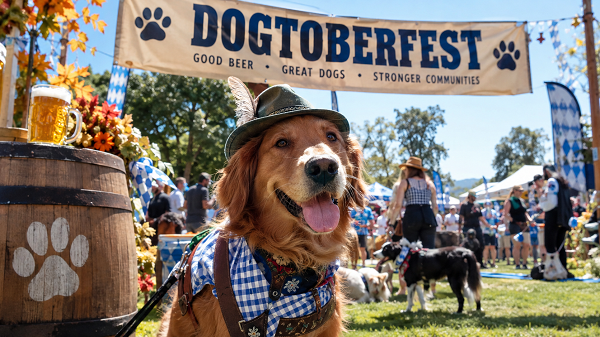
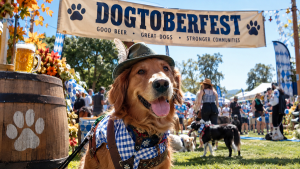
Dogtoberfest is a dog-friendly spin on Oktoberfest, a seasonal festival where dogs and their owners gather for costume contests, beer tastings, adoption drives, and games like steinholding and hot-dog-eating contests. It runs from late summer through October across the US, UK, and beyond, usually hosted by breweries, downtown merchant associations, humane societies, or city libraries.
Table of Contents
- What Is Dogtoberfest?
- Where Dogtoberfest Started (and Why It’s Spreading)
- What Actually Happens at a Dogtoberfest Event
- Dogtoberfest Around the World: Finding One Near You
- How to Win the Dog Costume Contest
- Safety Checklist: Bringing Your Dog to a Crowded Festival
- Should You Bring a Working or Protection-Trained Dog?
- Trainer’s Corner: Pre-Event Prep That Actually Works
- Frequently Asked Questions
- Final Thoughts
Introduction
Ever noticed how every brewery, dog park, and downtown main street suddenly turns into a lederhosen-and-leash parade the moment September rolls around? That’s Dogtoberfest, and if you own a dog, working, protection-trained, or just a couch-loving companion, there’s a good chance one is happening near you this fall.
I’ve handled working dogs at public events for years, from military demonstrations to community meet-and-greets, and I can tell you: festivals like Dogtoberfest are brilliant for socialization, but they trip up a lot of owners who don’t plan ahead. This guide covers what Dogtoberfest actually is, where to find one, how the contests work, and because this is what I do for a living, how to keep your dog safe and well-behaved in a crowd of hundreds of strangers, dogs, and distractions.
By the end of this article, you’ll know exactly what to expect, how to prep your dog (whatever the breed or temperament), and how to make sure the day ends with tired, happy paws instead of a stressed-out dog and a ruined afternoon.
What Is Dogtoberfest?
Dogtoberfest is exactly what it sounds like: Oktoberfest, but the dogs are the guests of honor. Instead of a strict definition handed down by one governing body, “Dogtoberfest” has become a shared event name that hundreds of breweries, city governments, pet businesses, and animal shelters use independently, each running their own version on their own date.
That’s an important distinction, and it’s the one thing most articles on this topic get wrong. There’s no single “official” Dogtoberfest the way there’s one Westminster Kennel Club Dog Show or one Crufts. Instead, you’ll find:
- Brewery-hosted Dogtoberfests — the most common format, usually featuring Oktoberfest beer releases (Festbier, Märzen, Doppelbock), pretzels, and dog contests in the parking lot or beer garden.
- Downtown Main Street festivals — community-wide street events with vendor booths, live music, and dog contests woven into a broader fall celebration.
- Library and municipal programs — some cities, run kid-and-dog-friendly Dogtoberfest programming through public libraries, often spread across the whole month of October with video contests and educational visits.
- Mountain resort and destination events — ski resorts increasingly run weekend-long “Dogtoberfest” gatherings that combine gondola rides, live bands, and dog costume contests with the traditional Bavarian beer-hall vibe.
The common thread across all of them: dogs are welcome, leashed, and usually the star attraction, with a costume contest as the centerpiece activity.
Where Dogtoberfest Started (and Why It’s Spreading)
Oktoberfest itself dates back to 1810, when Munich celebrated a royal wedding with a horse race that turned into an annual tradition. Today, the original festival draws roughly six million visitors to Munich each year, and it has inspired copycat events on every continent.
“Dogtoberfest” is the natural next step, pet-friendly programming layered onto an already beloved seasonal celebration. The trend has accelerated over the last decade alongside two bigger shifts: breweries repositioning themselves as community and family gathering spots rather than just bars, and a broader cultural shift toward including dogs in more public social life. Pet industry data backs this up, the American Pet Products Association has tracked a steady rise in “pet humanization” spending for years, and dog-friendly events are one of the clearest expressions of that trend.
You’ll now find Dogtoberfest-branded events at craft breweries in Denver, Las Vegas, and dozens of other US cities, motorcycle dealerships running charity dog days, downtown merchant associations in Texas, and mountain resorts in Utah pairing gondola rides with dog costume parades. It’s spread the way most good grassroots ideas do, one brewery or Main Street association sees a neighboring town’s turnout and decides to run its own version the following September.
What Actually Happens at a Dogtoberfest Event
Programming varies by host, but most Dogtoberfest events follow a similar structure across a single afternoon (typically 1 PM to 6 or 8 PM). Here’s a realistic rundown based on how these events are usually run:
- Doors open / gates open — vendor booths set up, adoptable dogs from local rescues are on display, and photo booths start running.
- Beer and food service begins — seasonal releases like Festbier, Kölsch, and Doppelbock, plus stadium-style or Bavarian-inspired food trucks.
- Dog costume contest — usually mid-afternoon, judged by a small panel (2–3 judges is standard to avoid bias), with categories like Best Lederhosen, Funniest Costume, and Best in Show.
- Human costume or dirndl/lederhosen contest — many events include a parallel contest for owners.
- Novelty games — hula-hoop relay races, hot-dog-eating contests (for humans), and fetch competitions are common crowd-pleasers.
- Steinholding contest — a genuine German Oktoberfest tradition where competitors hold a full beer stein at arm’s length for as long as possible. It looks easy. It isn’t.
- K9 demonstrations — a growing number of events now include live demos from local police or working-dog units, showing off obedience, agility, or detection work. These are genuinely worth arriving early for if your event lists one.
- Raffles and charity tie-ins — a large share of Dogtoberfest events donate a portion of proceeds to a local animal shelter or rescue; some breweries have raised tens of thousands of dollars this way over the years through ongoing festival series.
If you’re bringing a dog that’s never seen a stein-holding contest end in a puddle of spilled beer and cheering strangers, that “novelty” chaos is exactly the kind of stimulus you want to prepare for, more on that below.
Dogtoberfest Around the World: Finding One Near You
Dogtoberfest as a named event is heavily concentrated in the United States right now, but the underlying concept, a dog-friendly Oktoberfest-style gathering, has equivalents worldwide, and the trend is exportable to anywhere with an Oktoberfest tradition and a dog-loving population:
- United States: The largest concentration of named “Dogtoberfest” events, run by craft breweries, downtown associations, motorcycle dealerships, and city libraries from Texas to Colorado to Nevada to Utah.
- United Kingdom and Ireland: Traditional Oktoberfest pop-ups in cities like London, Manchester, and Dublin increasingly add “dog-friendly sessions” or dedicated afternoons, following the same brewery-hosted model.
- Germany itself: Munich’s Oktoberfest doesn’t officially permit dogs on the main Wiesn grounds due to crowd density and safety, but smaller regional Volksfeste and beer gardens across Bavaria are typically dog-friendly year-round.
- Canada and Australia: Dog-friendly fall festivals with Oktoberfest branding have started appearing in cities like Kitchener-Waterloo (home of Canada’s own major Oktoberfest) and Melbourne, usually run by pet charities.
If there’s no event branded “Dogtoberfest” near you, search your city name plus “Oktoberfest dog friendly” or check with local breweries and animal shelters directly, most of these events are announced through Eventbrite, brewery newsletters, or city parks-and-rec pages rather than one central listing site.
How to Win the Dog Costume Contest
Judges consistently reward the same handful of things, according to organizers who run these contests every year:
- Confidence over complexity. A simple costume worn by a relaxed, happy dog beats an elaborate one on a dog that’s clearly stressed. Judges and the crowd, who often gets a vote, respond to personality.
- A trick or two. If your dog knows “sit pretty,” “wave,” or “spin,” work it into your walk-up. Judges remember dogs that perform, not just pose.
- Team and theme entries. Some contests specifically reward group costumes (a “hot dog cart” team of three dogs, for example), so check the rules in advance, many allow multi-dog entries.
- Safety-first construction. No small chewable parts, nothing that restricts vision, breathing, or movement, and despite the temptation to go full theme, keep a visible collar and ID tag on underneath the costume at all times.
One practical tip from the trenches: rehearse the full costume at home first, including any harness or accessory, and take your dog for a walk in it during a busy time of day. If they try to back out of it, stumble, or shake it off repeatedly, that’s your answer, skip the costume rather than force it.
Safety Checklist: Bringing Your Dog to a Crowded Festival
This is the section most Dogtoberfest guides skip, and it’s the one that actually matters most. A festival crowd is a genuinely different environment from a walk around the block, dense, loud, full of unfamiliar dogs at close range, and often held in the lingering heat of early fall.
- Hydrate constantly. Bring your own water and a collapsible bowl, don’t rely on the venue having enough for every dog there. Watch for excessive panting, drooling, or lethargy, all early heat-stress signs.
- Skip the peak heat window if you can. Early events (11 AM–2 PM starts) in warm climates can still hit dangerous pavement and asphalt temperatures. If you can only attend a hot-weather event, keep your dog on grass, not blacktop.
- Use a secure leash and well-fitted harness, not just a collar. In a crowd this dense, a slipped collar means a loose, panicked dog in a sea of strangers. A well-fitted harness gives you far more control if your dog startles.
- Double up on ID. A collar tag plus a microchip check before the event is cheap insurance. Festivals are exactly the kind of high-stimulation environment where a dog can bolt.
- Respect personal space, yours and other dogs’. Not every dog at a beer-and-dog event is friendly, confident, or well-socialized, and you can’t assume yours is either. Keep greetings brief, watch body language (stiff posture, whale eye, tucked tail), and don’t let your dog rush up to another on a tight leash.
- Watch alcohol exposure. Spilled beer, dropped pretzels, and stray hops on the ground are common at these events, and hops are toxic to dogs even in small amounts (malignant hyperthermia from hop ingestion is a real and serious veterinary emergency). Keep your dog away from spill zones and used cups.
- Plan an exit strategy. Know where the quiet edges of the venue are before the crowd builds, so you have somewhere to retreat if your dog gets overwhelmed.
Should You Bring a Working or Protection-Trained Dog?
This is the question I get asked most by handlers in my own community, and the honest answer is: it depends entirely on the individual dog’s training level and temperament, not the breed.
A well-socialized Belgian Malinois, German Shepherd, or Cane Corso with solid obedience foundations can absolutely handle a festival environment and often does beautifully in it, many K9 demo teams attend these exact events specifically to show off calm, controlled working dogs in public. But a protection-trained dog that’s still building impulse control, or one that hasn’t had structured exposure to dense, loud crowds, is a different story. Overstimulation in a dog bred for high drive and quick reactions can look very different from a laid-back companion breed simply getting anxious.
If you’re on the fence, a few questions to ask honestly before you go:
- Has this dog reliably held a “place” or “down-stay” command around distractions before, not just at home?
- Does the dog have a demonstrated recall and disengage cue in the presence of other dogs?
- Is the dog fully comfortable being approached and touched by strangers, including children?
If you answered “no” to any of these, that’s not a reason to write off festivals forever, it’s a training gap worth closing first, ideally with a professional. If you want a structured approach to building exactly this kind of public-access reliability, our protection dog commands guide breaks down the core obedience cues every handler should have solid before attempting a crowd environment like Dogtoberfest.
Trainer’s Corner: Pre-Event Prep That Actually Works
I’ve handled Military Working Dogs through live public demonstrations, including agility and obedience showcases at the Nigerian Army Day Celebration, and the prep routine for a chaotic public event doesn’t change much whether the dog is a decorated K9 or a family pet heading to a beer garden. A few things I always do in the week before any big public outing:
- Run a “mini crowd” simulation. Take your dog somewhere moderately busy, a farmers market, a dog-friendly patio, a few days before the event, and practice holding attention and calm behavior around noise and foot traffic.
- Check gear fit under real conditions. A harness that fits perfectly on a cool morning walk can chafe or loosen after a few warm hours. If it’s warm where you are, a properly fitted cooling vest is genuinely one of the best pieces of gear you can bring to a festival that runs through the afternoon heat.
- Pack a control-focused harness, not just a decorative one. If your dog pulls or reacts under stimulation, a harness built for handler control, the same style K9 handlers use professionally, gives you far more leverage than a flat collar in a crowd.
- Know your dog’s threshold, and leave before you hit it. The single biggest mistake I see handlers make at any public event, working dog or pet, is staying “just a little longer” after their dog has already told them it’s had enough. Ears back, excessive lip-licking, and refusing treats they’d normally take are all signs it’s time to head to the car.
If you want a deeper framework for reading these signals and building the obedience foundation that makes public outings genuinely enjoyable rather than stressful, our founder’s e-book, BEYOND THE BARK — Inside a Pro Handler’s Playbook for Raising the Ideal Dog, walks through the exact training principles we use with working and protection dogs, most of it applies just as well to a family pet heading to their first festival.
Frequently Asked Questions
1. What is Dogtoberfest?
Dogtoberfest is a dog-friendly version of Oktoberfest, combining traditional beer-festival elements like steins, pretzels, and live music with dog-focused activities such as costume contests, adoption drives, and games. It’s hosted independently by breweries, cities, and nonprofits, usually between late August and late October.
2. Is Dogtoberfest a real, official event?
No single organization runs “Dogtoberfest”, it’s a shared event name used by hundreds of independent hosts (breweries, Main Street associations, libraries, resorts) worldwide, each with its own date, location, and programming.
3. Can any dog attend Dogtoberfest?
Most events welcome all breeds and sizes on-leash, but organizers typically require up-to-date vaccinations, and some venues set size or temperament expectations for off-leash play areas. Dogs still building obedience or crowd tolerance should be prepped beforehand or attend for a shorter window.
4. What should I bring to a Dogtoberfest event?
Water, a collapsible bowl, waste bags, a secure harness and leash, visible ID, and if your dog will be there more than an hour in warm weather, a cooling vest. Treats for costume contest performances are a smart extra.
5. Is beer or Oktoberfest food dangerous for dogs at these events?
Yes, if ingested. Hops (used in beer brewing) are toxic to dogs and can cause a serious condition called malignant hyperthermia even in small amounts, and alcohol itself is toxic to dogs at any dose. Keep dogs away from spilled drinks, used cups, and food scraps on the ground.
Final Thoughts
Dogtoberfest has grown from a handful of brewery promotions into a genuine seasonal tradition across the US and beyond, and it’s easy to see why, it’s one of the few festival formats built specifically around celebrating dogs rather than just tolerating them. Whether you’re heading to a downtown Main Street event, a brewery beer garden, or a mountain resort weekend, the formula is largely the same: costumes, contests, community, and a lot of good-natured chaos.
The dogs who have the best day are the ones whose owners did a little homework first, checked the heat, packed the right gear, knew their dog’s limits, and treated the event as a training opportunity as much as a party. Do that, and Dogtoberfest becomes exactly what it should be: one of the best days on the fall calendar for you and your dog.
If you found this guide useful, subscribe to our weekly newsletter for more real-world training tips, gear reviews, and event guides delivered straight to your inbox every week.

Her work centres on obedience, detection, protection and operational readiness. She favours proven methods built on repetition, consistency and real-world conditioning, so that both dogs and handlers are prepared for high-pressure tasks.
Rofiat represented the Nigerian Army Dog Centre at the Nigerian Army Day Celebration (NADCEL) 2026, where she led demonstrations in obedience, explosive detection, agility and tactical movement. Through articles, training content and documentaries, she shares field-based insight into how structured training, clear communication and trust between handler and dog affect performance and reliability.
She is the author of Beyond the Bark: Inside a Pro Handler's Playbook for Raising the Ideal Dog, a practical guide that helps dog owners and handlers apply professional training principles in everyday situations.
- Dogtoberfest 2026: The Complete Guide for Dog Owners - October 26, 2026
- Lagos Dog Carnival 2026: Full Guide, Dates & Events - October 25, 2026
- 10 Red Flags to Avoid When Hiring Local Dog Groomers - October 24, 2026