Is Your Dog Drinking Enough Water? Hidden Dangers of Dehydration in Hot Climates
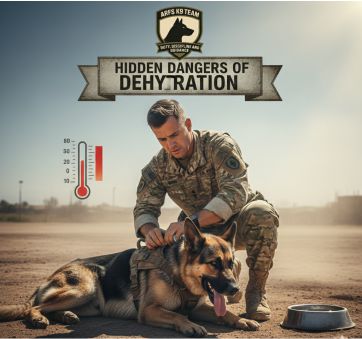
Water is one of the most essential nutrients for your dog, yet it is one of the most commonly overlooked aspects of canine care especially in regions with consistently high temperatures. Many dog owners focus on food quality, exercise, and training while assuming that water intake will “take care of itself.” Unfortunately, this assumption can be dangerous.
In hot climates, factors such as intense sunlight, high humidity, dry air, and increased physical activity cause dogs to lose body water far more rapidly than most owners realize. Dehydration in dogs is not just a minor issue or a temporary discomfort. If ignored, it can quickly escalate into a serious, life-threatening medical emergency.
This risk is especially high in tropical and subtropical regions such as Nigeria, Ghana, Kenya, South Africa, parts of the Middle East, and other hot-weather environments. In these areas, temperatures often remain elevated for most of the year, and heat stress becomes a daily challenge for dogs. Yet many pet owners, working dog handlers, security professionals, and breeders still underestimate how quickly a dog can overheat or become dehydrated.
Understanding how dehydration occurs, how much water your dog truly needs, the early warning signs to watch for, and practical prevention strategies can make the difference between a healthy, energetic dog and a preventable crisis.
Why Dogs Dehydrate So Quickly in Hot Environments
Dogs regulate heat very differently from humans. While humans rely heavily on sweating to cool down, dogs have limited sweat glands, located mainly in their paw pads. Their primary cooling mechanism is panting, which allows moisture to evaporate from the tongue and respiratory tract.
In hot environments, this cooling system is often not enough. Several factors accelerate dehydration in dogs:
- Excessive panting to lower body temperature
- Evaporation through the paw pads, especially on hot ground
- Increased heart rate and metabolic demand during exercise
- Direct exposure to sunlight, particularly in dark-coated dogs
- Hot surfaces such as concrete, asphalt, sand, and tiles that radiate heat upward
Working and highly active breeds, including German Shepherds, Belgian Malinois, Rottweilers, Labradors, Dobermans, and mixed working dogs are particularly vulnerable. These dogs burn more energy, generate more heat, and lose fluids faster due to their activity levels.
Humidity further worsens the problem. In humid climates, panting becomes less effective because moist air slows evaporation. This means a dog can be panting heavily yet still failing to cool down properly, leading to rapid dehydration and overheating even during moderate activity.
Even short periods of exposure to heat, such as a quick training session, a walk on hot pavement, or time spent in a poorly ventilated kennel—can result in significant fluid loss if water intake is not carefully managed.
How Much Water Should Your Dog Drink Each Day?
There is no single number that applies to every dog, but there are reliable guidelines that help estimate daily water needs. A commonly accepted baseline is:
50–70 millilitres of water per kilogram of body weight per day
This amount increases significantly in hot weather, during exercise, or for working dogs.
Practical Examples
- 10 kg dog → 500–700 ml per day
- 20 kg dog → 1–1.4 litres per day
- 35 kg working dog → 1.7–2.4 litres per day
- Highly active or working dogs may require up to double these amounts
Diet also plays a major role. Dogs fed dry kibble typically consume more water because most dry foods contain only 6–10% moisture. Dogs on wet or raw diets naturally receive more hydration through their food, though they still require free access to clean drinking water.
It is important to note that thirst alone is not always a reliable indicator. Some dogs do not drink enough even when water is available, particularly when stressed, distracted, or overheated.
Hidden Signs of Dehydration You Might Overlook
Dehydration often develops gradually and silently. By the time obvious symptoms appear, your dog may already be at risk. Learning to recognize early warning signs is essential.
1. Thick or Sticky Saliva
Healthy saliva is thin and watery. When saliva becomes thick, stringy, or sticky, it signals that the body is conserving water, one of the earliest signs of dehydration.
2. Dry Gums and Mouth
While many owners check the nose, gums are a more reliable indicator. Healthy gums should be moist, shiny, and slippery. Dry, tacky, or pale gums suggest fluid loss.
3. Reduced or Dark Urination
Dehydrated dogs urinate less frequently, and their urine may appear dark yellow or amber. This indicates the kidneys are conserving water, which places strain on vital organs.
4. Lethargy and Low Energy
Dehydration reduces blood volume and oxygen delivery to tissues. As a result, dogs may appear unusually tired, unwilling to play, or slow to respond.
5. Excessive Panting at Rest
Panting after activity is normal, but continuous panting while resting in shade or indoors can indicate overheating and fluid imbalance.
6. Loss of Skin Elasticity
Gently lift the skin at the back of the neck or between the shoulders. If it returns slowly instead of snapping back immediately, dehydration is likely present.
7. Sunken Eyes or Weakness
These are more advanced signs and require immediate veterinary attention. At this stage, dehydration may already be severe.
Why Dehydration Is Especially Dangerous in Hot Climates
In consistently hot environments, dehydration is not an isolated issue, it often triggers a chain of serious health problems.
Increased Risk of Heatstroke
Dehydrated dogs cannot regulate body temperature efficiently. Heatstroke can develop rapidly and may become fatal within minutes if not treated promptly.
Kidney Stress and Long-Term Damage
The kidneys rely on adequate water to filter toxins from the bloodstream. Chronic dehydration increases the risk of kidney disease and permanent organ damage.
Electrolyte Imbalance
Dehydration disrupts sodium, potassium, and chloride levels, which are essential for nerve signals, muscle contraction, and heart rhythm.
Reduced Blood Volume and Circulation
Lower blood volume leads to poor circulation, weakness, reduced stamina, and collapse—particularly dangerous for working or security dogs.
Dogs Most Vulnerable to Dehydration
While all dogs require hydration, some are at significantly higher risk:
- Puppies and senior dogs
- Pregnant or nursing females
- Working, military, police, and security K9s
- Dogs with kidney disease, diabetes, or digestive disorders
- Thick-coated breeds and brachycephalic dogs (short-nosed breeds)
- Dogs kept outdoors for long periods
Extra precautions are essential for these groups, especially in hot regions.
Practical Tips to Keep Your Dog Hydrated in Hot Regions
1. Provide Fresh, Clean Water at All Times
Water should be accessible 24/7. For outdoor dogs, change water at least two to three times daily to keep it cool and free from bacteria.
2. Use Multiple Water Stations
Placing water bowls in several shaded locations encourages drinking and reduces competition in multi-dog households.
3. Add Water to Dry Food
Mixing water or low-sodium broth with dry kibble increases moisture intake and improves digestion.
4. Use Dog-Safe Electrolytes
Canine electrolyte supplements can help maintain hydration during intense heat or work. Avoid human sports drinks, which may contain sugar or harmful additives.
5. Adjust Exercise and Training Schedules
Walks and training sessions should take place early in the morning or late in the evening. Avoid peak heat hours whenever possible.
6. Provide Shade and Cooling Solutions
- Cooling mats or damp towels indoors
- Covered kennels or shade cloths outdoors
- Fans or adequate airflow to improve ventilation
7. Offer Frozen Hydration Treats
Frozen treats made from dog-safe broth, watermelon, or carrots provide hydration while helping lower body temperature.
8. Monitor Behavior Daily
Changes in energy, appetite, or panting patterns often signal dehydration before physical symptoms appear.
When to Seek Veterinary Help Immediately
Certain symptoms require urgent professional care:
- Persistent vomiting or diarrhea
- No urination for 8–12 hours
- Collapse, staggering, or extreme weakness
- Very dark gums or thick saliva
- Refusal to drink water
Early veterinary intervention can prevent permanent damage or death.
Conclusion
Hydration is one of the most overlooked yet critical aspects of canine health, particularly in hot climates across Africa, the Middle East, and other warm regions. Dogs depend entirely on their owners and handlers to provide a safe environment, consistent access to clean water, and intelligent heat-management strategies.
A well-hydrated dog is healthier, more alert, more energetic, and better equipped to cope with heat stress—whether it is a family companion at home or a hardworking K9 performing demanding duties.
By understanding the hidden dangers of dehydration and taking proactive, informed steps every day, you protect your dog from unnecessary suffering and ensure a longer, happier, and safer life even under the most challenging heat conditions.

Her work centers on applied training across obedience, detection, protection, and operational readiness, with a strong focus on Military Working Dogs (MWDs) and security K9 programs. Rather than theory alone, Rofiat emphasizes proven training methods, repetition, consistency, and real-world conditioning that prepare dogs and handlers for high-pressure tasks.
Through articles, training content, and documentaries, she shares experience-based insights drawn from the field, highlighting how structured training, clear communication, and trust between handler and dog directly impact performance and reliability.
She remains committed to responsible K9 development, continuous skill refinement, and practical education for handlers, trainers, and dog professionals.
- Detection Tactics Every Dog Owner Should Know to Prevent Counter-Surveillance and Tracking - February 11, 2026
- STOP Feeding Your Dogs These Common Human Stews - February 9, 2026
- German Shepherd vs Belgian Malinois: Which Breed Is More Intelligent for Working and Security Roles - February 6, 2026


