Top Dog Breeds Used for Military Working Dogs (According to a K9 Veteran)

Choosing the right dog for military service is far more than picking a pet, it’s about selecting a partner who can perform under intense pressure, think independently, and respond with precision. Military Working Dogs (MWDs) are highly trained animals that play a critical role in modern defense operations. From detecting explosives and narcotics to tracking suspects, providing security, and participating in search-and-rescue operations, these dogs are indispensable assets.
Not all dog breeds are equally suited for this demanding work. Not all dog breeds are equally suited for this demanding work. Different military organizations select specific military working dog breeds based on operational requirements, temperament, and mission objectives. Success in military operations depends on several key factors: intelligence, physical stamina, temperament, adaptability, and trainability. In this article, we explore the top dog breeds used in military operations, explain their unique strengths, and highlight why they excel in service.
Table of Contents
Introduction
Key Success Factors for Military Working Dogs
Top Dog Breeds Used in Military Operations
1. German Shepherd: The Gold Standard
2. Belgian Malinois: The Tactical Specialist
3. Dutch Shepherd: The Steady Performer
4. Labrador Retriever: The Detection Expert
5. Doberman Pinscher: The Fearless Protector
6. Bloodhound: The Scent Specialist
Key Traits That Make a Great Military Working Dog
The Importance of the Handler-Dog Partnership
- Frequently Asked Questions (FAQs)
Final Thoughts
German Shepherd
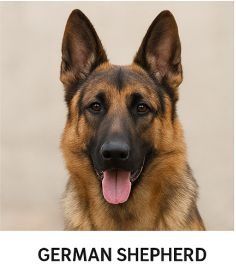 Intelligence: ★★★★★
Temperament: Confident, Loyal, Obedient
The German Shepherd is widely regarded as the gold standard for military and police work across the globe. Known for their exceptional intelligence and natural protective instincts, these dogs are highly trainable and capable of mastering complex commands quickly. They thrive in high-pressure environments, remaining calm and alert even in life-threatening situations.
Military Roles: German Shepherds are versatile dogs that can perform in a variety of missions, including patrol, detection of explosives and narcotics, search-and-rescue operations, and tactical deployments. Their courage and loyalty ensure that they act decisively, protecting their handlers and teammates.
Why They’re the Top Choice: German Shepherds combine strength, intelligence, and emotional stability, making them adaptable to nearly any working condition. They are often the first choice for military handlers seeking a reliable, all-around canine partner. Their iconic presence and proven track record in combat scenarios have earned them worldwide recognition as elite working dogs.
Belgian Malinois
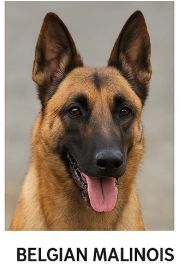 Intelligence: ★★★★★
Temperament: Energetic, Alert, Protective
The Belgian Malinois is often mistaken for a German Shepherd due to its similar appearance. However, the Malinois is lighter, faster, and more agile, making it especially suitable for high-intensity missions. Elite military units, including the U.S. Navy SEALs and special forces teams, frequently choose this breed for tactical operations.
Military Roles: Belgian Malinois excel in airborne missions, bomb detection, personal protection, search-and-rescue, and cadaver recovery. Their speed, agility, and sharp decision-making allow them to respond quickly to threats in dynamic combat or urban environments.
Why They’re Second Best: While similar to German Shepherds in intelligence and loyalty, Belgian Malinois bring unmatched endurance and work ethic. Their ability to maintain peak performance over extended missions makes them ideal for specialized tactical deployments where speed, precision, and stamina are critical.
Dutch Shepherd
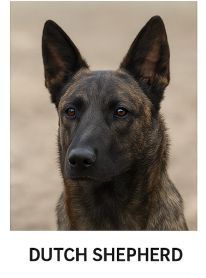 Intelligence: ★★★★☆
Temperament: Loyal, Watchful, Steady
The Dutch Shepherd is a highly versatile working breed with strong herding instincts. They are intelligent, adaptable, and able to follow commands with remarkable accuracy. Dutch Shepherds are known for their calm temperament, mental stability, and loyalty to their handlers.
Military Roles: Dutch Shepherds are deployed in tasks ranging from obedience drills and patrols to scent detection, security operations, and crowd control. Their protective instincts are strong but measured, making them effective in both high-risk and controlled environments.
Why They Rank High: Their combination of intelligence, focus, and steadiness makes them highly effective in both general military duties and specialized operations requiring precision. While less known than German Shepherds or Malinois, Dutch Shepherds remain a reliable and often underappreciated option for military handlers.
Labrador Retriever
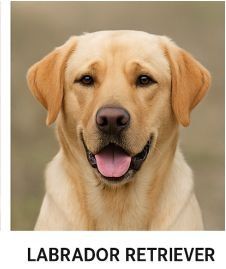 Intelligence: ★★★★☆
Temperament: Friendly, Gentle, Eager to Please
Though not commonly used in patrol or attack roles, Labrador Retrievers are exceptional in detection and search tasks. Their keen sense of smell, gentle disposition, and cooperative nature make them ideal for environments where safety, accuracy, and public interaction are essential.
Military Roles: Labs excel in narcotics and explosives detection, search-and-rescue missions, and operations at airports, checkpoints, and border crossings. They bond easily with their handlers and remain composed even under stress, making them indispensable in crowded or sensitive situations.
Why They’re Ideal: Labrador Retrievers combine intelligence, focus, and a friendly temperament, making them perfect for specialized detection tasks. Unlike guard breeds, their non-threatening presence ensures that civilians remain calm, reducing risks during operations in public spaces.
Doberman Pinscher
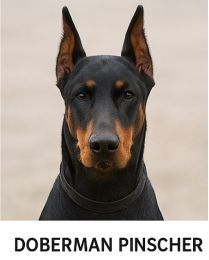 Intelligence: ★★★★☆
Temperament: Fearless, Loyal, Focused
Dobermans are fast, strong, and highly alert, making them excellent for protection and security duties. Their sharp instincts and loyalty ensure that they remain attentive to commands while assessing potential threats independently.
Military Roles: Dobermans are often deployed for guarding posts, patrolling perimeters, and providing personal protection to personnel in high-risk areas. Their speed and agility allow them to react quickly to hostile situations, while their strength ensures effectiveness in combat scenarios.
Why They’re Effective: The Doberman’s natural protective drive, intelligence, and agility make them an ideal choice for missions requiring both physical prowess and mental focus. With proper training, Dobermans can perform complex tasks that combine security, defense, and tactical awareness.
Bloodhound
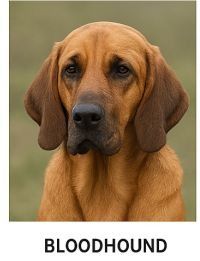 Intelligence: ★★★☆☆
Temperament: Determined, Gentle, Focused
Bloodhounds are specialists in scent tracking. With one of the most advanced olfactory systems among dog breeds, they can follow trails for miles and are invaluable in search-and-rescue operations, manhunts, and disaster recovery.
Military Roles: Bloodhounds are primarily used for tracking missing persons, fugitives, or evidence across challenging terrain. They are less suited for combat or protection but excel in situations that demand focus, patience, and relentless pursuit.
Why They’re Specialized: Bloodhounds’ unparalleled scenting abilities make them critical for search missions. Their gentle temperament allows them to work cooperatively without stress, ensuring high accuracy in scent-based tracking tasks.
Key Traits That Make a Great Military Working Dog
Every successful military dog begins as a highly capable working dog with the drive, temperament, and physical ability required to perform demanding tasks. Military programs then build upon these natural qualities through specialized training and operational conditioning.
When evaluating a dog for military service, handlers look for a combination of physical, mental, and emotional traits. Some of the key qualities include:
Intelligence and Trainability: MWDs must be able to learn complex commands and problem-solve in unpredictable situations.
Physical Stamina and Strength: Military missions often demand long hours of activity, agility, and resilience.
Temperament and Focus: Calmness under pressure, loyalty to the handler, and the ability to work independently are essential.
Adaptability: Dogs must thrive in diverse environments, from urban combat zones to wilderness operations.
Protective Instincts: Certain roles, such as guarding or personal protection, require a natural inclination to defend and assess threats.
The Importance of Handler-Dog Partnership
Even the most skilled breed cannot perform without a strong bond with its handler. The relationship between an MWD and its handler is built on trust, respect, and mutual understanding. A well-trained dog will respond accurately to commands, but only when it trusts its handler completely can it operate effectively under life-threatening conditions.
Handlers invest months or even years developing communication, routines, and cues that allow the dog to act instinctively in critical situations. This bond ensures that the dog remains confident, calm, and effective, even in extreme environments.
Frequently Asked Questions (FAQs)
1. What is the difference between a German Shepherd and a Belgian Malinois in military roles?
While both possess elite 5-star intelligence and loyalty, the Belgian Malinois is lighter, faster, and more agile than the German Shepherd. This makes the Malinois the preferred choice for high-intensity, specialized tactical deployments, including airborne (skydiving) missions with units like the U.S. Navy SEALs. German Shepherds, being larger and heavier, are heavily relied upon as the ultimate all-around versatile partners for standard patrol and defense.
2. Why are non-aggressive breeds like Labrador Retrievers used in the military?
Labrador Retrievers are not used for combat or patrol; instead, they excel in specialized detection and search-and-rescue tasks. Their world-class olfactory senses make them perfect for sniffing out narcotics and explosives. Furthermore, their friendly, non-threatening appearance keeps civilians calm at crowded border crossings, checkpoints, and airports.
3. Can any purebred dog from these breeds become a Military Working Dog?
No. Even within these specific breeds, only a small percentage of dogs possess the rare combination of high trainability, extreme physical stamina, and emotional stability required for service. Military candidates undergo rigorous testing to ensure they can think independently and remain perfectly calm under life-threatening pressure, such as gunfire or explosions.
4. What happens if a military working dog fails or gets too old for its duties?
When a dog does not meet training standards or reaches retirement age (usually around 7 to 10 years old), they are transitioned out of service. Because of the intense bond built during their service, the dog’s active or former military handler is almost always given the first opportunity to legally adopt them as a civilian pet.
5. Why is the handler-dog bond considered so critical to mission success?
A Military Working Dog does not just react to commands; it operates on absolute trust. In chaotic, high-stress combat zones, a dog must look to its handler for cues. Without months or years of dedicated partnership training, a dog may become anxious or unpredictable. The deep mutual bond ensures the dog remains confident and executes life-saving tasks with precision.
Final Thoughts
Selecting the right breed for military service is about balancing intelligence, stamina, temperament, and adaptability. German Shepherds and Belgian Malinois dominate due to their courage, loyalty, and high trainability, making them ideal for intense missions. Dutch Shepherds and Labrador Retrievers excel in specialized roles that require focus, calmness, and precision. Dobermans and Bloodhounds contribute unique strengths, physical protection, tracking ability, and security expertise completing a well-rounded military canine team.
German Shepherds and Belgian Malinois dominate due to their courage, loyalty, and high trainability, making them ideal for intense missions. While many of these breeds are also used by law enforcement agencies, there are important differences between military working dogs and police K9s in terms of training, deployment, and operational responsibilities.
Ultimately, success in military operations depends not only on breed but also on the partnership between dog and handler. Military Working Dogs are not just tools, they are dedicated partners whose loyalty, intelligence, and courage can save lives and ensure mission success. For handlers, choosing the right breed is the first step toward building a team capable of facing the most challenging missions with confidence and reliability.

Her work centres on obedience, detection, protection and operational readiness. She favours proven methods built on repetition, consistency and real-world conditioning, so that both dogs and handlers are prepared for high-pressure tasks.
Rofiat represented the Nigerian Army Dog Centre at the Nigerian Army Day Celebration (NADCEL) 2026, where she led demonstrations in obedience, explosive detection, agility and tactical movement. Through articles, training content and documentaries, she shares field-based insight into how structured training, clear communication and trust between handler and dog affect performance and reliability.
She is the author of Beyond the Bark: Inside a Pro Handler's Playbook for Raising the Ideal Dog, a practical guide that helps dog owners and handlers apply professional training principles in everyday situations.
- Local Dog Breeds: Temperament, Health & Training Guide - October 6, 2026
- How Long Do Military Working Dogs Serve? Full Guide - October 5, 2026
- National Puppy Day 2026: Date, Best Deals & Freebies - October 4, 2026