Working Dog Fitness Guide: Keep Your K9 Healthy & Fit
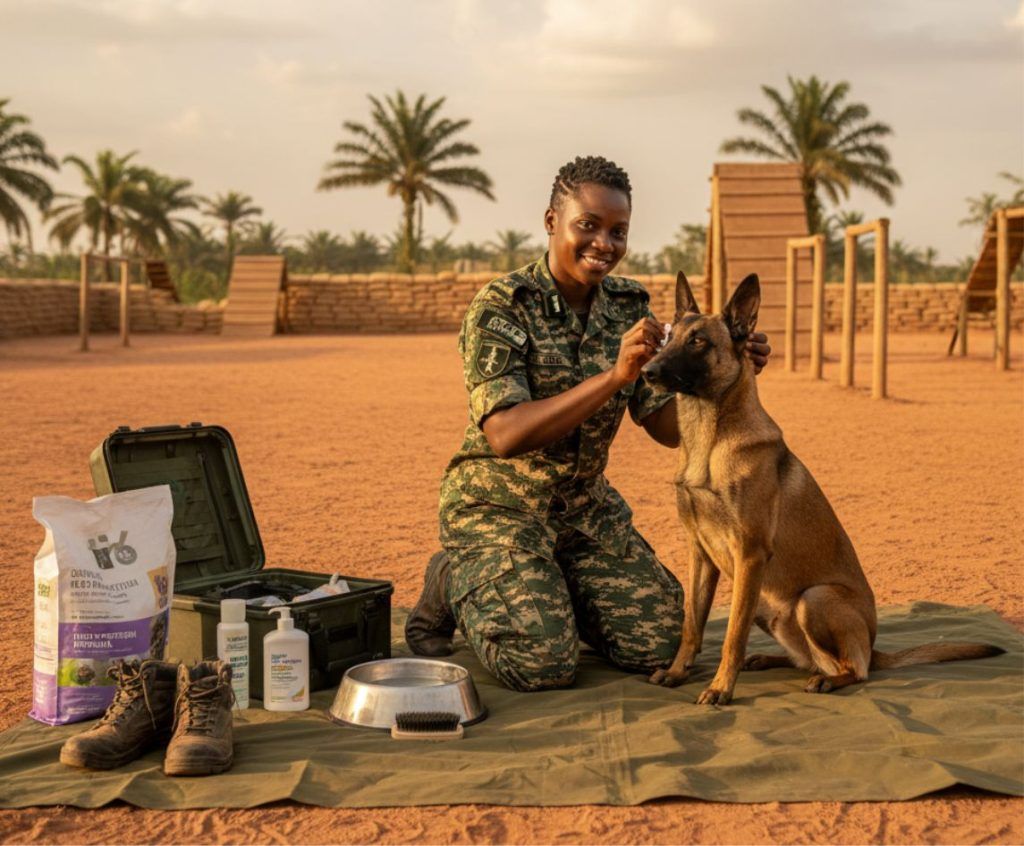
Working dog fitness means combining structured cardio and strength conditioning, breed-appropriate nutrition, routine veterinary screening, proper warm-up/cool-down protocols, and planned recovery time. Research on police and military K9s shows 36–44% develop musculoskeletal problems over their careers, and most of that is preventable with the right conditioning program, not just “more exercise.”
Table of Contents
- Why “Fitness” Is Different From “Exercise” for Working Dogs
- The Real Numbers: How Common Are Working Dog Injuries?
- The K9 Fitness Pyramid: Four Pillars of Conditioning
- Fueling the Canine Athlete: Nutrition Basics
- Preventive Veterinary Care and Screening
- Building a Weekly Conditioning Schedule
- Injury Prevention: Warm-Ups, Cool-Downs, and Common Trouble Spots
- Heat Stress and Heatstroke: What Every Handler Must Know
- Grooming, Recovery, and Rest
- The Handler’s Daily Health Checklist
- Trainer Experience
- FAQs
- Conclusion
Introduction
If you’ve ever watched a police K9 clear a fence line, a detection dog work a warehouse for two straight hours, or a protection dog take a full bite at a dead sprint, you’ve seen what real canine athleticism looks like. What you don’t see is what happens the day after, the sore hips, the tight lower back, the paw pad that’s one rocky trail away from a tear.
So here’s the thing: most working dog owners and even some handlers still think “fitness” just means a long walk or a game of fetch. It doesn’t. Fitness for a working dog is closer to what an NFL strength coach does for an athlete than what a dog park does for a Labrador. And when it’s ignored, the numbers get ugly fast.
In this guide, I’m going to walk you through exactly what it takes to keep a working dog, police K9, military working dog (MWD), protection dog, SAR dog, or a serious personal protection companion, genuinely fit, not just active. You’ll learn the real injury statistics nobody talks about, how to build a weekly conditioning schedule, what a proper warm-up actually looks like, how to spot heat stress before it becomes heatstroke, and where nutrition and rest fit into the picture. This isn’t recycled advice, it’s built from operational experience and the latest veterinary research on canine sports medicine.
Why “Fitness” Is Different From “Exercise” for Working Dogs
Ever wonder why a dog can run for an hour at the park and still get injured on a routine building search? It’s because running isn’t the same as conditioning.
Exercise is just movement. Fitness is purposeful, progressive movement designed to build strength, endurance, balance, and body awareness, while specifically protecting the joints and muscles that get hammered during real work.
Think about what a working dog’s body actually goes through:
- A patrol or protection dog decelerates from a full sprint into a bite, absorbing enormous force through the neck, shoulders, and front end.
- A detection dog spends hours with its head down, nose working, navigating uneven ground and tight spaces, a very different kind of fatigue than sprinting.
- An SAR (search and rescue) dog climbs rubble piles and unstable debris, requiring balance and proprioception (the sense of where its own body is in space) far beyond what a pet dog ever needs.
- A herding or livestock guardian dog covers miles a day on rough terrain in every kind of weather.
None of these jobs are “just exercise.” They’re athletic performance under unpredictable conditions and that’s exactly why generic advice like “walk your dog more” falls short. A structured fitness program conditions the specific muscles, tendons, and movement patterns each job demands, the same way a physical therapist would build a plan for a human athlete.
The Real Numbers: How Common Are Working Dog Injuries?
I’ll be straight with you, this section might be uncomfortable to read if you’ve never looked at the data before. But you can’t fix a problem you’re pretending doesn’t exist.
- A 2024 study of U.S. Army Special Operations military working dogs (published in the Journal of the American Veterinary Medical Association) tracked 126 dogs over two years and found 49.2% experienced at least one significant health event, with musculoskeletal conditions accounting for the largest share of total days lost from duty.
- A New Zealand study of 158 police dogs found a cumulative musculoskeletal injury rate of 36–44% over a working career, with lameness and degenerative joint disease being the leading causes of early retirement, in fact, only about 40% of dogs reached the department’s target retirement age of 8, with a median retirement age closer to 6.6 years.
- An independent survey of 109 active working dogs (SAR, detection, and sport dogs) recorded a 45.5% injury incidence, and the same study found that structured warm-up and cool-down routines were only used “sporadically” by most handlers, a gap that’s easy and cheap to close.
- Among search and rescue dogs specifically, musculoskeletal injuries make up roughly 22% of all incidents, with carpal (wrist) and toe fractures close behind at 20%.
- Even the humans aren’t spared: a 2016–2023 military study found MWD handlers had the second-highest occupational injury rate of any military job category, behind only veterinary personnel, a reminder that handler fitness matters too.
The pattern across nearly every study is the same: musculoskeletal wear and heat-related illness are the two biggest threats to a working dog’s career, and both respond extremely well to structured conditioning and smart handling. That’s the whole point of this guide.
The K9 Fitness Pyramid: Four Pillars of Conditioning
Canine rehab and sports medicine specialists often describe fitness using a “pyramid” model, a concept popularized by veterinary rehab practitioners like Dr. Sonnet Jarvis (DVM, CCRT) and canine sports medicine researchers such as Dr. Chris Zink. Rather than picking one exercise and repeating it, you build layered capability. Here’s how it breaks down for a working dog.
1. Cardiovascular Endurance
This is the base of the pyramid, the dog’s ability to sustain effort without gassing out.
- Trotting alongside a bike, jogging, or structured running builds aerobic capacity.
- Swimming is a hidden gem here. According to K9 conditioning trainers, one minute of swimming produces a cardiovascular effect roughly equal to 5–15 minutes of walking, and it’s low-impact on joints, ideal for dogs recovering from soft tissue injury or carrying a few extra pounds.
- Aim for at least 3–4 sessions a week of sustained aerobic work, adjusted for the dog’s job. A detection dog doing slow methodical searches needs different conditioning than a patrol dog making explosive sprints.
2. Strength and Core Conditioning
A strong core (the muscles supporting the spine and pelvis) is what protects a working dog from the back and hip injuries that show up so often in the research above.
- Controlled incline walking, sit-to-stand reps, and cavaletti (raised pole) work build hind-end and core strength without high impact.
- Tug-of-war, done with proper form and controlled release, builds neck and shoulder strength, genuinely useful for bite-work dogs, but it needs to be done correctly to avoid neck strain.
- Balance discs, wobble boards, or simply walking on uneven natural terrain build the stabilizing muscles that prevent the awkward-landing injuries so common in agility and apprehension work.
3. Balance, Flexibility, and Proprioception
This is the piece most handlers skip and it’s exactly the piece the trigger-point research flagged. A 2023 study on police working dogs found the highest concentration of muscle trigger points (small areas of chronic tension) in the lower back and hindquarters, especially on the dog’s dominant side, almost certainly from repetitive, one-sided work like scaling fences or biting on a preferred side.
- Gentle stretching after activity, guided by a vet or canine rehab therapist, keeps muscles supple.
- Figure-eight walking patterns and backing-up exercises build body awareness.
- Rotating which side a dog works from (bite sleeve side, jump-off side) reduces repetitive one-sided strain.
4. Mental Conditioning
Fatigue isn’t only physical. Scent work, problem-solving, and sustained focus drain a dog just as much as running does, which is why a detection dog can come off a two-hour search looking more exhausted than one that just sprinted for twenty minutes.
- Build “thinking work” into the week: puzzle feeders, scent games, and short, varied training sessions.
- Watch for mental fatigue signs, slower response to commands, reduced drive, or uncharacteristic distraction and treat them with the same seriousness as a physical injury.
Fueling the Canine Athlete: Nutrition Basics
You can’t out-train a bad diet. Working dogs typically need considerably more calories than a companion dog of the same size, often 1.6 to 2 times the maintenance requirement, depending on workload and climate, along with higher-quality protein and fat to support muscle repair and sustained energy.
Rather than repeat everything here, I’ve written a full breakdown of feeding strategies, hydration protocols, and performance-specific supplements in our dedicated guide: Best Nutrition and Health Tips for Working Dogs (Complete Performance Guide). If you only read one companion article to this one, make it that one, nutrition and conditioning are two sides of the same coin.
A few quick fitness-specific nutrition notes worth knowing:
- Body Condition Score (BCS) matters more than weight on a scale. A working dog should have a visible waist and easily felt (but not visible) ribs. Even a few extra pounds meaningfully increases joint stress and heat intolerance.
- Don’t feed heavy meals right before intense work. Feeding within an hour or two of vigorous exercise raises the risk of bloat (gastric dilatation-volvulus), a life-threatening emergency in deep-chested breeds like German Shepherds, Belgian Malinois, and Dobermans.
- Hydration protocols should match the job. Offer small amounts of water frequently during long searches or patrols rather than one large drink, which can cause discomfort during active work.
Preventive Veterinary Care and Screening
A conditioning program is only as good as the body it’s built on. Regular veterinary screening catches problems while they’re still cheap and manageable, instead of career-ending.
Core preventive care checklist:
- Annual (minimum) hip and elbow evaluation, especially important in breeds prone to dysplasia like German Shepherds, Labradors, and Rottweilers. Radiographic screening before intensive conditioning begins gives you a baseline.
- Core vaccinations kept current, rabies, distemper, parvovirus, and leptospirosis are non-negotiable for a dog working in varied environments. If you’re building or updating a schedule, our Core Vaccines & Schedule Guide breaks down timing in plain terms.
- Parasite prevention, including a consistent deworming schedule, internal parasites quietly drain energy and nutrient absorption, undermining even a perfect conditioning plan. See our guide, How Often Should You Worm Dogs?, for age- and risk-based schedules.
- Dental exams every 6–12 months. Dental disease was the single most common health issue found in a 1-year study of nearly 1,600 U.S. military working dogs, and untreated dental pain can quietly tank a dog’s food intake and performance.
- Sports medicine or rehab consult once a year for dogs in heavy operational use, a canine rehabilitation therapist can spot compensation patterns (favoring one side, subtle gait changes) long before they show up as a limp.
Building a Weekly Conditioning Schedule
Handlers ask me constantly: “Okay, but what does an actual week look like?” Here’s a realistic, adaptable template based on the fitness pyramid above. Adjust volume for your dog’s age, job, and current conditioning level and always clear a new program with your vet first, especially for dogs recovering from injury.
| Day | Focus | Example Activities |
|---|---|---|
| Monday | Cardio + skill work | 20–30 min trot/run, obedience or task-specific drills |
| Tuesday | Strength + core | Incline walking, cavaletti poles, controlled tug |
| Wednesday | Active recovery | Leash walk, light scent games, stretching |
| Thursday | Cardio + balance | Swimming or varied-terrain jog, wobble board work |
| Friday | Task-specific conditioning | Full simulated operational drill (bite work, search, tracking) |
| Saturday | Strength + flexibility | Bodyweight strength exercises, guided stretching |
| Sunday | Full rest | Complete downtime, minimal structured activity |
Notice the rest day isn’t an afterthought, it’s programmed in deliberately. More on why that matters below.
Injury Prevention: Warm-Ups, Cool-Downs, and Common Trouble Spots
This is the single most under-used tool in working dog health, and it costs nothing but time.
A proper warm-up (5–10 minutes) should include:
- Brisk walking to raise core temperature and blood flow to muscles.
- Gentle dynamic movements, figure-eights, sit-to-stands, to activate the muscles about to be used.
- A gradual build in intensity rather than jumping straight into a sprint or bite drill.
A proper cool-down (5–10 minutes) should include:
- A slow walk to bring heart rate down gradually.
- Gentle passive stretching once muscles are warm (never stretch a cold muscle).
- A quick hands-on check of paws, legs, and gum color while the dog is calm.
Common working dog injury sites to watch closely, based on veterinary sports medicine literature:
- Paw pads and digits — abrasions and fractures from repetitive impact on hard or abrasive surfaces. Condition pads gradually on new terrain rather than throwing a dog straight onto asphalt or rubble.
- Carpus (wrist) and cruciate ligament — common in dogs that jump, pivot, or land awkwardly during apprehension or agility work.
- Lower back (lumbar) and hip — the most frequently flagged trouble spot in police K9 trigger-point research, largely from repetitive one-sided loading.
- Dental fractures — surprisingly common in bite-trained dogs, particularly from hard object chewing or improper equipment.
If an injury does happen, prompt first aid matters. Keep a K9 first aid kit stocked with bandages, antiseptic, tweezers, a cooling pack, and a compact muzzle (even the gentlest dog may snap when in pain), and know your nearest emergency vet’s location before you need it, not after.
Heat Stress and Heatstroke: What Every Handler Must Know
Heat injury deserves its own section because it’s one of the fastest-moving, most preventable killers of working dogs and it’s been documented as the leading cause of non-combat death in deployed military working dogs.
Here’s what the research actually shows about canine body temperature:
- A dog’s normal resting temperature sits around 101–102.5°F (38.3–39.2°C).
- During normal, healthy exertion, conditioned working dogs can safely reach 104–105°F (40–40.5°C) with no ill effects, this is expected, not automatically dangerous.
- Heatstroke is generally defined as a temperature at or above 105.8°F (41°C) combined with clinical signs, this is when organ damage begins.
- Critically, a dog’s core temperature can keep climbing for several minutes after exercise stops, especially if crated in a vehicle immediately afterward. Don’t assume the danger has passed just because the dog has stopped working.
Practical heat safety rules for handlers:
- Schedule intense conditioning or deployment during cooler parts of the day whenever operationally possible.
- Watch for early warning signs: heavy or frantic panting, bright red gums, unsteady gait, or reluctance to continue, don’t wait for collapse.
- If you suspect heat injury, cool first, transport second. Move the dog to shade, apply cool (not ice-cold) water to the belly, inner thighs, and paw pads, and get airflow moving while arranging transport to a vet.
- Never leave a working dog in a parked vehicle, even briefly, even with windows cracked. Vehicle interiors can exceed dangerous temperatures within minutes.
- Allow 10–20 days of gradual acclimatization when a dog moves to a hotter climate or deployment zone before expecting full working intensity.
Grooming, Recovery, and Rest
Grooming isn’t just cosmetic, it’s a diagnostic tool. Running your hands over a dog’s coat and body regularly is often how handlers first catch a hot spot, a tick, a lump, or a subtle swelling before it becomes serious. For a full breakdown of brushing, bathing, nail, and ear-care routines, take a look at our grooming and hygiene guide, which applies just as well to adult working dogs as it does to puppies.
On the recovery side, keep an eye out for overtraining syndrome, which shows up as:
- Reluctance to work or unusual hesitation on tasks the dog normally handles well.
- Noticeable drop in performance or drive.
- Changes in appetite or sleep patterns.
- Increased irritability or reduced tolerance for handling.
If you see two or more of these signs together, scale back intensity and add recovery days before pushing forward again. Overtraining doesn’t announce itself with a dramatic injury, it creeps in, and it’s far easier to prevent than to reverse.
The Handler’s Daily Health Checklist
Handlers are the first line of defense, and honestly, the best diagnostic tool a working dog has. A five-minute daily check catches problems weeks before they’d otherwise surface.
- ✅ Check gait for any subtle limping, stiffness, or reluctance to jump.
- ✅ Run hands over legs, paws, and joints for heat, swelling, or tenderness.
- ✅ Check gum color and capillary refill time (should return to pink within about 2 seconds of gentle pressure).
- ✅ Note appetite, water intake, and stool consistency.
- ✅ Log energy levels and mood, a normally driven dog going flat is a red flag.
- ✅ Confirm hydration and rest between training bouts, especially in heat.
Keeping a simple written or digital log of these daily notes makes it far easier to spot slow-developing trends that a single day’s observation would miss. Handlers who want a deeper framework for reading their dog’s behavior, building trust, and catching subtle changes early may find it worth checking out Beyond the Bark: Inside a Pro Handler’s Playbook for Raising the Ideal Dog, it draws on real operational handling experience rather than generic pet advice.
Trainer Experience Signal
This guide reflects hands-on operational experience, not repackaged internet advice. It’s built around real conditioning protocols used with working K9s in obedience, detection, agility, and tactical movement contexts, cross-checked against peer-reviewed veterinary sports medicine research (JAVMA, Frontiers in Veterinary Science, and canine rehabilitation literature) rather than opinion alone. Where statistics are cited, they come from published military and police K9 health studies, not marketing claims.
Frequently Asked Questions
1. How much exercise does a working dog actually need per day?
Most healthy adult working dogs need 1–2 hours of purposeful activity daily, but the number matters less than the quality. A dog needs a mix of cardio, strength, mental work, and rest, not just time spent moving. Job type, age, and climate all shift this number significantly.
2. What’s the difference between exercise and conditioning for a working dog?
Exercise is general movement like a walk or a game of fetch. Conditioning is a structured, progressive program targeting specific muscle groups and movement patterns the dog’s job demands, with built-in warm-up, cool-down, and recovery, the same logic used for human athletes.
3. At what body temperature does a dog risk heatstroke?
A resting dog’s normal temperature is around 101–102.5°F. Conditioned working dogs can safely reach 104–105°F during exertion, but a temperature at or above 105.8°F combined with symptoms like heavy panting, wobbling, or bright red gums signals heatstroke and needs immediate cooling and veterinary care.
4. How common are injuries in police and military working dogs?
Published studies put cumulative musculoskeletal injury rates in career police and military dogs at roughly 36–44%, and one independent survey of active working dogs recorded a 45.5% injury incidence overall, most of it mild to moderate soft tissue trauma that’s largely preventable with proper conditioning.
5. Can swimming really help a working dog’s fitness?
Yes, swimming is one of the most efficient low-impact cardio options available. K9 conditioning trainers note that about one minute of swimming produces a cardiovascular effect comparable to 5–15 minutes of walking, while putting minimal stress on joints, which makes it especially useful for recovery periods or dogs carrying extra weight.
Conclusion
Working dog fitness isn’t a bonus extra, it’s the foundation everything else is built on. A dog can have world-class training and still get sidelined by a preventable hip strain or an ignored heat warning sign. The research is consistent and honestly a little sobering: nearly half of career police and military dogs will deal with a significant musculoskeletal or health event, and heat injury remains one of the fastest, most preventable killers in the field.
The good news is that none of this requires expensive equipment or a sports science degree. It requires consistency: a real warm-up and cool-down every session, a weekly plan that includes strength and balance work (not just cardio), a diet matched to workload, routine vet screening before problems become emergencies, and a handler who checks their dog’s body and behavior daily, not just when something looks wrong.
Your action plan starting this week:
- Build (or request from your trainer) a simple weekly schedule that mixes cardio, strength, balance, and at least one full rest day.
- Add a genuine 5–10 minute warm-up and cool-down to every training or work session, starting today.
- Schedule the vet screenings you’ve been putting off, hips, elbows, teeth, and parasite prevention.
- Start a daily 5-minute health check log so you catch small changes before they become big problems.
Do those four things consistently, and you’ll be doing more for your dog’s career longevity than most handlers ever do. That’s the difference between a dog that burns out at six and one that’s still confidently working at ten.

Her work centres on obedience, detection, protection and operational readiness. She favours proven methods built on repetition, consistency and real-world conditioning, so that both dogs and handlers are prepared for high-pressure tasks.
Rofiat represented the Nigerian Army Dog Centre at the Nigerian Army Day Celebration (NADCEL) 2026, where she led demonstrations in obedience, explosive detection, agility and tactical movement. Through articles, training content and documentaries, she shares field-based insight into how structured training, clear communication and trust between handler and dog affect performance and reliability.
She is the author of Beyond the Bark: Inside a Pro Handler's Playbook for Raising the Ideal Dog, a practical guide that helps dog owners and handlers apply professional training principles in everyday situations.
- Local Dog Breeds: Temperament, Health & Training Guide - October 6, 2026
- How Long Do Military Working Dogs Serve? Full Guide - October 5, 2026
- National Puppy Day 2026: Date, Best Deals & Freebies - October 4, 2026