Best Nutrition and Health Tips for Working Dogs (2026)
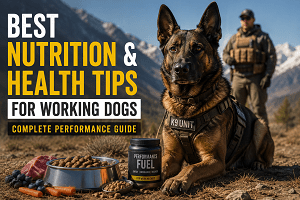
Working dogs need a balanced, high-performance diet rich in quality protein, healthy fats, essential vitamins, minerals, and constant hydration to maintain energy, build muscle, recover quickly, and stay healthy. The best nutrition plan should match the dog’s workload, age, and breed while including regular veterinary checkups, proper weight management, joint support, and feeding schedules that fuel performance without increasing the risk of injury or illness.
Table of Contents
- Introduction
- Understanding the Nutritional Needs of Working Dogs
- The Importance of High-Quality Protein
- The Role of Fat in Performance Dogs
- Carbohydrates: Helpful but Often Misunderstood
- Hydration: The Most Overlooked Performance Factor
- Feeding Schedules for Working Dogs
- Supplements That Can Benefit Working Dogs
- Building and Maintaining Lean Muscle
- Joint Health and Mobility Protection
- Paw Care for Working Dogs
- Heat Management and Summer Safety
- Cold Weather Care for Working Dogs
- Digestive Health and Performance
- Mental Health and Stress Management
- Sleep and Recovery
- Preventive Veterinary Care
- Dental Health and Performance
- Weight Management for Working Dogs
- Raw Diets vs Commercial Diets
- Nutrition for Aging Working Dogs
- Common Feeding Mistakes Working Dog Owners Make
- Real-World Feeding Strategies from Experienced Handlers
- Creating a Daily Health Routine for Working Dogs
- Emergency Health Awareness for Working Dog Owners
- The Connection Between Nutrition, Training, and Longevity
- Frequently Asked Questions
- Final Thoughts
Introduction
Working dogs are elite canine athletes. Whether they’re police K9s, military dogs, search and rescue heroes, hunting companions, herding dogs, or service animals, they burn far more energy than the average pet. That means a standard feeding routine isn’t enough. Proper nutrition and preventive healthcare directly affect their stamina, focus, recovery, and working lifespan. In this complete guide, you’ll discover the best nutrition and health tips for working dogs, including what to feed, when to feed, hydration strategies, essential supplements, common health risks, and practical advice to keep your dog performing at its absolute best.
Understanding the Nutritional Needs of Working Dogs
Out on patrol, working dogs burn through calories much faster than housebound animals. Because their days involve constant motion, like trailing scents or scaling obstacles, their meals must power nonstop effort. When they sprint, drag loads, or climb steep paths, every muscle demands fuel. Unlike pets lounging at home, these canines turn food into movement hour after hour.
A typical house dog often lounges inside for hours, yet a working one might use up way more energy based on what it’s doing and the weather around it.
Working Dogs and Their Unique Dietary Needs
Working dogs experience:
- Higher muscle stress
- Increased calorie burn
- Greater joint pressure
- Elevated water loss
- Faster nutrient depletion
- Increased oxidative stress
- Greater mental fatigue
- Higher recovery demands
When food intake falls short of what they need, issues show up fast
- Loss of stamina
- Muscle wasting
- Reduced focus
- Poor coat condition
- Slow recovery
- Frequent injuries
- Digestive problems
- Weakened immunity
- Weight instability
- Heat exhaustion risk
Fueled properly, a working dog stays sharp through seasons of hard effort. Its body keeps up only when meals match the grind it faces daily. Without steady fuel from quality food, even strong animals slow down over time. Tough jobs demand tough diets built on real needs, not guesses. Lasting power comes from what goes into each bowl every single day.
Different Working Dogs Have Different Needs
A single meal routine won’t suit every dog that works. Some need more fuel, others less, depends on the job they do.
High-Endurance Dogs
Examples include:
- Sled dogs
- Search and rescue dogs
- Hunting dogs
- Long-distance tracking dogs
Fuel comes first for these dogs, so extra fat fills that role. Their bodies burn it steadily during long efforts.
Explosive Power Dogs
Examples include:
- Protection dogs
- Police patrol dogs
- Bite-work dogs
- Agility dogs
Most of these dogs rely on high-quality protein to keep muscles strong, yet stay lean. Their bodies thrive when nutrition focuses on building power without adding bulk. A steady supply of good protein helps them move well, staying fit over time. Energy comes easier when diet matches their active nature. Muscle lasts longer if food fuels movement, not fat.
Detection and Scent Dogs
Fueled by sharp minds more than long runs, detection dogs think hard throughout workdays. Because thinking takes fuel just like running does, meals must match that demand somehow. Focus lasts longer when food includes nutrients designed for mental endurance instead of only muscle power.
Farm and Herding Dogs
Working all day through open land takes a toll on herding dogs. Because of constant movement, their joints need strong daily backup. Water balance matters just as much as steady energy intake. Tough trails mean every system must stay sharp.
The Importance of High-Quality Protein
Building blocks of life start here, protein keeps muscles steady through daily wear. Healing follows where tissues need mending, shaped by amino chains at work. Hormones rely on its structure to send signals across the body’s network. When defense kicks in, immunity leans on it heavily during fights against invaders. After stress or injury, comebacks depend largely on what this nutrient supplies.
Protein Keeps Body Functions Running
When you push your body hard, tiny breaks form in muscle tissue. Repair kicks in as the body steps up, weaving new fibers with help from protein’s building blocks. Amino acids arrive through food, then get put to work fixing what was strained. This rebuilding phase strengthens the muscle over time. Without rest, progress stalls, recovery is where growth takes shape.
Without enough protein:
- Recovery slows down
- Muscles weaken
- Endurance decreases
- Injury risk rises
- Performance drops
Protein Sources for Working Dogs
Pets break down meat sources better, so those who work with animals often choose them. Efficiency matters when picking what to feed, which is why real animal protein shows up most in their routines.
Excellent protein sources include:
- Chicken
- Turkey
- Beef
- Lamb
- Fish
- Duck
- Eggs
- Venison
Starting with fish protein might help joints stay flexible while also keeping skin healthier over time. Omega-3s inside these proteins play a role in reducing swelling when the body gets stressed. Recovery after activity tends to go smoother for some people who eat them regularly. These fats are part of what makes certain seafood stand out compared to other sources.
Protein Needs for Working Dogs?
Working dogs stay sharper when their meals pack more protein than typical store brands offer.
In general:
- Moderate activity dogs often perform well with 24–28% protein
- High-performance dogs may require 28–35% protein
Still, how good something is counts for more than just numbers on a page.
Not every dog food delivers real value. A few stretch protein counts by adding cheap stuff, like plants, which dogs struggle to make use of. These fillers boost labels but not health.
Most folks who’ve been around a while keep an eye out for:
- Named meat ingredients
- High digestibility
- Minimal fillers
- Strong amino acid profiles
- Proven performance feeding results
The Role of Fat in Performance Dogs
Some first-time dog owners think every kind of fat harms their pets.
Fat stays useful when dogs work hard. Often, that energy comes straight from fats instead of carbs.
Why Fat Matters
Fat provides:
- Concentrated energy
- Endurance support
- Insulation
- Hormone support
- Healthy skin and coat
- Cellular function
- Brain support
Fat packs a bigger energy punch per gram compared to carbs or protein. Though heavier by weight, it fuels longer. Where protein trails behind, fat stays ahead in calorie density. Carbs burn fast, fat holds steady. Weight for weight, the lead belongs to fat every time.
This matters a lot when:
- Long patrols
- Hunting sessions
- Cold-weather operations
- Extended tracking
- Endurance racing
- Multi-hour training sessions
Healthy Fat Sources
Beneficial fat sources include:
- Fish oil
- Salmon oil
- Chicken fat
- Beef fat
- Flaxseed oil
- Sardines
- Egg yolks
Fish oil components stand out since reducing swelling is one benefit among others tied to flexible joints.
Avoid Too Much Low Quality Fat
Heavy amounts of low-grade fat might result in:
- Obesity
- Digestive issues
- Pancreatitis risk
- Poor conditioning
Staying steady with fuel intake matters more than adding bulk. What counts is balance, not size.
Seasonal Fat Adjustments
For example:
- In old-weather, dogs may require more fat
- Dogs in extreme heat may perform better with slightly lighter meals
- Off-season dogs may need reduced calorie intake
As work demands shift, eating patterns ought to adjust too.
Carbohydrates: Helpful but Often Misunderstood
When it comes to dog food, few things spark more discussion than carbs.
While a few skip them completely, many depend on these tools day after day.
Something real sits between both sides.
What Carbohydrates Do
Carbohydrates provide:
- Quick energy
- Glycogen replenishment
- Digestive fiber
- Some vitamins plus key minerals
Though carbs aren’t essential for survival in dogs, using them wisely may boost energy during physical tasks.
Good Carbohydrate Sources
Better carbohydrate options include:
- Sweet potatoes
- Brown rice
- Oats
- Pumpkin
- Quinoa
- Carrots
- Blueberries
Better digestion tends to follow when eating these foods instead of low-cost bulk ingredients.
Avoid Heavy Fillers
Low-quality foods often contain excessive:
- Corn by-products
- Soy fillers
- Artificial additives
- Empty starches
Stomach troubles could come from these components, while energy swings might tag along too.
Timing Matters
Right after a big meal full of carbs, jumping into hard effort might leave you feeling off. Heavy digestion can bring bloating or that slow, heavy sensation. Starting tough tasks too soon could backfire when your gut is still busy.
Some seasoned trainers give their animals food like
- Smaller pre-work meals
- Larger recovery meals afterward
Breathing slows when movement begins. Stomach processes food more easily then.
Hydration: The Most Overlooked Performance Factor
Water matters more than many realize when caring for a working dog, skip it, energy drops. Some forget this basic need despite its clear link to how well the animal performs.
A mildly dehydrated dog can experience:
- Reduced endurance
- Slower scenting ability
- Poor focus
- Heat stress
- Muscle cramps
- Fatigue
Working Dogs Dehydrate Fast
Breathing fast helps dogs cool down when hot. Air moving over moist surfaces inside their mouth lowers body heat naturally.
Sweat pours out fast when pushing hard under muggy skies. Heat builds up, moisture escapes quicker through the skin. Moving nonstop in thick air drains fluids steadily. The hotter it gets, effort pulls more water from the body. Heavy work in steamy conditions empties reserves without pause.
Working dogs may lose fluids through:
- Panting
- Saliva
- Urination
- Heat exposure
- Physical exertion
Signs of Dehydration
Watch for:
- Thick saliva
- Excessive panting
- Weakness
- Dry gums
- Reduced skin elasticity
- Loss of focus
- Sunken eyes
Practical Hydration Strategies
Most seasoned trainers spot dehydration before a dog shows any sign of thirst.
Instead, they:
- Offer water regularly
- Encourage small frequent drinks
- Pick up electrolytes if the situation calls for it
- Monitor urine color
- Reduce heat exposure during peak temperatures
Hydration During Work
During demanding sessions:
- Short hydration breaks are essential
- Right after hard workouts, skip the icy drinks. Cold liquid can shock the system when body heat is high. Instead of gulping chilled water, wait a few minutes. The body needs time to adjust temperature naturally. Sudden cold might slow recovery more than help it
- Slow drops in temperature carry less risk
Electrolytes for Working Dogs
When dogs push hard under hot conditions, special electrolyte mixes made just for them can lend support. A dog working long hours outside might benefit from these tailored formulas when temperatures climb high.
Still, skip giving your pet human sports drinks without a vet’s clear okay.
This article may be useful: Is Your Dog Drinking Enough Water? Hidden Dangers of Dehydration in Hot Climates
Feeding Schedules for Working Dogs
How you space out meals shifts how well your body breaks food down. Energy throughout the day ties closely to when you eat. Recovery after effort leans on consistent fueling moments. Staying safe during physical tasks links to having steady nourishment.
Avoid Big Meals Before Tough Tasks
A full stomach right before heavy exertion can lead to problems like cramping or nausea. Heavy digestion while moving fast doesn’t mix well for most people. Right after eating, blood flows to the gut, suddenly demanding it elsewhere causes issues. Discomfort often follows when the body must split its focus. Pushing hard too soon may trigger bloating or even vomiting
- Bloat
- Gastric torsion
- Vomiting
- Cramping
- Poor performance
Right after a big meal, plenty of caretakers skip hard workouts. Some hours pass before they get active again.
Common Feeding Approaches
Twice Daily Feeding
Many working dogs perform well with:
- Morning meal
- Evening recovery meal
Recovery-Focused Feeding
Some handlers provide:
- Light pre-work snacks
- Main calorie intake after activity
Beyond easing the body’s workload, this method helps healing while tasks continue.
Monitoring Body Condition
Faults live in every feeding plan ever made.
Handlers must observe:
- Body weight
- Muscle definition
- Rib visibility
- Energy levels
- Stool quality
- Recovery speed
A working dog thrives when built light, strong, full of drive. Built for motion, it moves with power, shaped by effort.
Supplements That Can Benefit Working Dogs
A few supplements might help, yet they’re no substitute for real food. Still, when chosen wisely, they can add useful benefits alongside a solid diet.
Joint Supplements
Working dogs place tremendous stress on joints.
Popular joint-support ingredients include:
- Glucosamine
- Chondroitin
- MSM
- Green-lipped mussel
- Collagen
Movement could stay easier with less damage happening slowly.
Fish Oil
Fish oil still tops the list for many health guides since it backs up several body functions
- Joint health
- Brain function
- Skin condition
- Recovery
- Inflammation control
Probiotics
Belly well-being shapes how nutrients enter the body.
Probiotics may help support:
- Gut balance
- Stool consistency
- Immune function
- Digestive recovery
Antioxidants
Some dogs that work a lot build up damage from oxygen reactions.
Blueberries, spinach, and some supplements offer antioxidants that could lower cell harm. Though not guaranteed, these nutrients might slow damage over time. From nature or pills, such compounds sometimes protect body tissue. What you eat may influence how cells hold up through years. Certain plants bring helpers that fight wear inside you.
Supplements When Needed
Some older dogs doing jobs might need extra support through supplements. Active animals burn energy fast, which could leave them needing more nutrients. Dogs healing after getting hurt often do better when they get specific added help in their diet.
A vet should weigh in before you start complicated supplement routines. Most experts agree it’s best to check first.
Building and Maintaining Lean Muscle
Muscle is essential for:
- Power
- Speed
- Injury prevention
- Joint support
- Stability
- Endurance
Still, every pound you gain isn’t helpful.
Lean Versus Extra Body Mass
Most times, a fit dog moves faster compared to one carrying extra weight.
Excess fat increases:
- Joint stress
- Heat retention
- Fatigue
- Injury risk
Strength Conditioning Methods
Safe conditioning methods include:
- Controlled running
- Hill work
- Swimming
- Resistance pulling
- Obstacle courses
- Tug conditioning
- Sprint drills
Recovery Matters
Flesh heals itself when given time to rest. Growth happens after effort stops.
Overtraining without recovery leads to:
- Chronic fatigue
- Reduced drive
- Injury
- Burnout
Sleep helps muscles heal after effort. A pause between workouts sharpens performance later. Recovery time shapes strength just like movement does.
Joint Health and Mobility Protection
Bone wear hits hard when it comes to ending a working dog’s time on the job.
Common Joint Issues
Working dogs commonly face:
- Hip dysplasia
- Elbow dysplasia
- Arthritis
- Ligament injuries
- Spinal strain
Prevention Strategies
Most seasoned pros spend their time stopping problems before they start.
Key strategies include:
- Maintaining lean body weight
- Avoiding slippery surfaces
- Proper warm-ups
- Controlled jumping
- Regular conditioning
- Joint supplements
- Non-slip kennel flooring
Warm Up and Cool Down
A dog’s body needs time to adjust, much like a person training for a race. Slow buildup helps avoid strain during activity.
A good warm-up may include:
- Light jogging
- Controlled movement
- Dynamic exercises
- Stretching through motion
Stretching after exercise eases tightness while aiding muscle repair. Slowing movements at the end softens soreness that might come later. Gentle motion when finishing helps your body return to calm.
Paw Care for Working Dogs
Paws are critical equipment for working dogs.
Paws that are hurt stop working right away.
Common Paw Problems
Working dogs often encounter:
- Cuts
- Cracked pads
- Burns from hot surfaces
- Ice damage
- Foreign objects
- Infections
Practical Paw Care Tips
Handlers should:
- Inspect paws daily
- Trim nails properly
- Use paw balm when needed
- Avoid scorching pavement
- Monitor for embedded debris
Surface Awareness
Different surfaces create different risks.
- Hot Surfaces: Asphalt and concrete can severely burn paw pads.
- Rough Terrain: Rocky environments may tear pads.
- Snow and Ice: Frosty air sometimes leads to splits along surfaces while frost gathers slowly. Freezing temperatures can split materials apart as icy layers pile up gradually. When it gets really cold, cracks show up just before ice thickens across edges.
Paw injuries can end operations quickly, which is why many handlers combine proper paw maintenance with protective tactical equipment designed for demanding terrain and extreme environments.
Heat Management and Summer Safety
Heat is one of the greatest dangers for working dogs.
Besides people, dogs struggle to cool down through sweating over most of their skin.
This article may be useful: The Ultimate Guide to Dog Cooling Vests: Which Ones Actually Work?
Heat Can Harm
Overheating can quickly lead to:
- Heat exhaustion
- Heat stroke
- Organ failure
- Death
High-Risk Conditions
Danger increases during:
- High humidity
- Intense sunlight
- Poor ventilation
- Long-duration work
- Lack of hydration
Signs Your System Is Getting Too Hot
Watch for:
- Extreme panting
- Weakness
- Bright red gums
- Disorientation
- Vomiting
- Collapse
Summer Safety Practices
Experienced handlers often:
- Train during cooler hours
- Take breaks under cover from the sun
- Carry water constantly
- Monitor body temperature
- Reduce workload during extreme heat
Cooling Strategies
Safe cooling methods include:
- Cool water access
- Air circulation
- Cooling mats
- Wet towels on paws and belly
- Rest breaks
Most times, fast freezing treatments get skipped without a vet’s okay.
Cold Weather Care for Working Dogs
Frosty climates shift how bodies need food and stay well. Different rules apply when winter grips everything around.
Increased Calorie Needs
Besides staying warm, dogs on duty in icy weather use up extra energy. Cold environments push their bodies to work harder just to keep heat.
Many cold-weather working dogs require:
- Higher calorie intake
- Increased fat content
- More hydration monitoring
Winter Risks
Common problems include:
- Hypothermia
- Frostbite
- Joint stiffness
- Paw cracking
- Dehydration
Protective Measures
Handlers often use:
- Insulated kennels
- Dry bedding
- Paw protection
- Warm recovery areas
- Increased calorie support
Hydration Still Matters
Frosty air might surprise you, pups lose moisture even when it’s freezing. Water needs don’t vanish just because the sun isn’t blazing.
Winter months can see pets sip fewer fluids. This shift might lead to health concerns. Less liquid intake shows up more when temperatures drop.
Digestive Health and Performance
Belly processing shapes results more than most admit. How food breaks down decides energy flow during effort.
Faulty digestion ruins even top-grade meals. When the gut does not work well, good ingredients mean nothing.
Digestive issues in working dogs
Issues may include:
- Diarrhea
- Vomiting
- Food intolerance
- Bloating
- Gas
- Poor stool quality
Causes of Digestive Stress
Common causes include:
- Sudden diet changes
- Overfeeding
- Poor-quality ingredients
- Stress
- Overtraining
- Feeding too close to exercise
Stable Feeding Practices
Experienced handlers usually:
- Maintain consistent feeding routines
- Introduce new foods gradually
- Monitor stool quality carefully
- Switching diets too often tends to complicate things without helping much
Fiber Balance
Fiber in balance helps a dog’s gut work smoothly. Too much of it, though, can make fueling an energetic pup less effective. Balance is important.
Mental Health and Stress Management
Besides paws and instincts, these animals carry a mind that tires through effort. A day of tasks weighs on their thoughts much like our own.
A stressed dog may show:
- Reduced focus
- Behavioral changes
- Poor sleep
- Anxiety
- Aggression
- Lower performance
Sources of Stress
Stress may come from:
- Harsh training
- Excessive workload
- Lack of rest
- Poor kennel conditions
- Environmental instability
- Lack of mental stimulation
Mental Recovery Matters
A dog with high drive needs tasks, yet also downtime. Recovery matters just as much as effort.
Healthy routines include:
- Structured play
- Calm downtime
- Positive interaction
- Environmental enrichment
- Stable leadership
Handler Relationship
A strong connection with the dog shapes how well it follows cues. What matters most shows up when they work together, not just what each does alone.
When a dog trusts the person guiding them, performance improves, security plays its part too. Not until that bond forms does real cooperation begin to show up in actions.
Sleep and Recovery
Sleep is essential for:
- Muscle repair
- Hormone regulation
- Memory consolidation
- Immune function
- Mental recovery
Rest Matters
Overworked dogs without sufficient recovery often experience:
- Poor focus
- Slower learning
- Reduced endurance
- Irritability
- Injury risk
Building a System Restore Point
Good recovery spaces should be:
- Quiet
- Clean
- Well-ventilated
- Temperature controlled
- Comfortable
Overtraining Warning Signs
Watch for:
- Reluctance to work
- Persistent fatigue
- Loss of appetite
- Mood changes
- Declining performance
Stopping does not mean giving up. It means the dog stays strong, ready, moving well when needed, rest builds what effort uses.
Preventive Veterinary Care
Staying ahead of illness keeps bodies running longer. A step before sickness shows up can mean years added down the road.
Routine Veterinary Monitoring
Working dogs should receive regular:
- Physical exams
- Bloodwork
- Vaccinations
- Parasite prevention
- Dental checks
- Orthopedic evaluations
Early Detection Matters
A small problem might turn into something that ends a career when left alone.
Quick reactions come naturally to those who’ve done it before
- Limping
- Appetite changes
- Behavioral shifts
- Reduced stamina
- Weight fluctuations
Vaccination Helps Prevent Diseases
Working dogs often encounter:
- Wildlife
- Public spaces
- Contaminated environments
- Other animals
Preventing problems before they start matters more than most realize. A solid defense today shapes better outcomes tomorrow. Staying ahead beats reacting every single time.
Parasite Control
Heavy tick loads slow animals down. Flea infestations drain energy fast. Internal worms reduce strength over time. Mosquitoes carry sickness that weakens stamina.
Consistent parasite prevention is essential.
Dental Health and Performance
Few people pay much attention to their teeth. Yet keeping them clean matters more than most realize.
Painful dental issues affect:
- Appetite
- Bite strength
- Behavior
- Training
- Overall health
Signs of Dental Problems
Watch for:
- Bad breath
- Difficulty chewing
- Gum bleeding
- Loose teeth
- Mouth sensitivity
Dental Care Practices
Helpful practices include:
- Regular brushing
- Dental chews
- Veterinary cleanings
- Oral inspections
Healthy teeth are especially important for protection dogs and bite-work dogs.
Weight Management for Working Dogs
Besides boosting stamina, staying at a healthy weight lifts overall results. When balance shifts too far off track, energy drops without warning. Yet even small changes often bring steady improvements. Since muscle supports movement better than fat does alone, strength matters more than scale numbers suggest. Though people overlook daily habits, they shape long-term outcomes quietly.
Dangers of Being Too Heavy
Overweight dogs face:
- Reduced speed
- Joint strain
- Heat stress
- Lower endurance
- Increased injury risk
Dangers of Underfeeding
Underfed dogs may experience:
- Muscle wasting
- Fatigue
- Weak immunity
- Poor recovery
Ideal Working Condition
Most experienced handlers prefer dogs that are:
- Lean
- Athletic
- Muscular
- Energetic
- Flexible
Bone structure becomes noticeable beneath thin layers, when pressure is applied lightly. A layer too thick hides what lies underneath.
Raw Diets vs Commercial Diets
Heated arguments spark whenever trainers bring it up.
Raw Feeding Advantages
People who favor uncooked food usually say:
- Better coat condition
- Improved stool quality
- Increased enthusiasm for meals
- Lean muscle maintenance
Raw Feeding Risks
However, risks may include:
- Bacterial contamination
- Nutritional imbalance
- Food safety issues
- Improper calcium-phosphorus ratios
Commercial Diet Advantages
High-quality commercial foods offer:
- Convenience
- Nutritional consistency
- Easier storage
- Veterinary formulation
The Most Important Principle
Regardless of feeding style, the real priorities are:
- Nutritional balance
- Ingredient quality
- Digestibility
- Consistency
- Safety
A working dog thrives on different foods depending on its needs. Not one eating plan fits all equally well.
Nutrition for Aging Working Dogs
Older working dogs require special attention.
Common Senior Challenges
Aging dogs often experience:
- Joint stiffness
- Slower recovery
- Muscle loss
- Reduced metabolism
- Dental wear
- Lower endurance
Senior Nutrition Adjustments
Helpful adjustments may include:
- Easier-to-digest protein
- Joint supplements
- Controlled calories
- Anti-inflammatory support
- Increased omega-3 intake
Maintaining Activity
Exercise helps older dogs when it’s kept under control.
Stillness tends to make tightness worse.
Staying strong over time matters more when ease feels just right. Instead of pushing hard, moving steady makes the day better.
Common Feeding Mistakes Working Dog Owners Make
Now and then, those who work closely with tasks still slip up.
Overfeeding
Folks who care for pets often mix up affection and too much food.
Most times, extra calories slow down performance. Body struggles when fuel goes beyond need.
Cheap Low-Quality Food
Bad food choices tend to cause health troubles down the line.
Ignoring Hydration
Water management is critical for performance.
Feeding Before Intense Exercise
Belly troubles become more likely because of this.
Sudden Diet Changes
When things shift suddenly, stomach troubles often follow. A jolt in routine tends to upset digestion next.
Inconsistent Conditioning
Weekend-only activity patterns may increase injury risk.
Neglecting Recovery
Pushing nonstop through workouts chips away at results over time.
Real-World Feeding Strategies from Experienced Handlers
Most seasoned handlers of working dogs watch behavior closely instead of trusting advertised promises.
Observation Is Everything
They monitor:
- Stool quality
- Recovery speed
- Muscle condition
- Coat appearance
- Energy consistency
- Work drive
Seasonal Adjustments
People who work with animals long enough usually change their approach
- Calories
- Fat intake
- Hydration frequency
- Training intensity
depending on how hot it gets plus what tasks are piling up.
Simple Consistency Works
Many successful programs are surprisingly simple:
- Quality food
- Consistent routines
- Structured recovery
- Hydration discipline
- Preventive healthcare
Simple things, when practiced regularly, beat complex methods that are applied inconsistently.
Creating a Daily Health Routine for Working Dogs
Consistency creates stability.
Example Daily Routine
Morning
- Health inspection
- Light exercise
- Hydration
- Controlled feeding
- Mental stimulation
Midday
- Practice time or job tasks
- Hydration breaks
- Temperature monitoring
Evening
- Recovery feeding
- Paw inspection
- Grooming
- Calm decompression
- Rest
Weekly Monitoring
Handlers should regularly check:
- Weight
- Nail condition
- Ear cleanliness
- Teeth
- Mobility
- Appetite
Catching things early stops big issues before they grow.
Emergency Health Awareness for Working Dog Owners
Handlers should recognize emergency signs quickly.
Get Vet Help Right Away
- Collapse
- Seizures
- Heat stroke signs
- Severe limping
- Bloated abdomen
- Difficulty breathing
- Persistent vomiting
- Sudden weakness
A dog’s life might depend on how fast someone acts. Fast help changes everything when seconds count.
The Connection Between Nutrition, Training, and Longevity
Surprisingly, top-performing working dogs often aren’t shaped by intense training. Instead, their strength grows through calm consistency. While some push hard, others thrive on quiet guidance. Tough drills might build skill, yet soft patience builds trust. Results show balance beats force every time. A steady hand does more than a strict routine ever could.
Most of these dogs get looked after without missing a beat.
How well a working animal performs depends on food quality, physical training, rest periods, medical checkups, plus how closely the handler pays attention
- Career length
- Performance quality
- Injury resistance
- Mental stability
- Longevity
Most dogs stay strong when their routine includes steady rest, while pushing too hard wears them down fast. A well-cared-for pup moves easily into later years, but constant strain without downtime takes its toll early.
For those who’ve been around, lasting strength counts far beyond brief power.
Frequently Asked Questions
What is the best food for working dogs?
Food that fuels hard-working dogs often centers around solid animal protein, paired with good fats and carbs that won’t upset digestion. Vitamins, minerals, plus steady water intake keep things running smoothly under strain. What fits one dog might not suit another, effort demanded matters most. Breed quirks, how old the dog is, where it lives, and daily movement shape what goes in the bowl. Heavy labor needs more fuel; light tasks need less. Weather plays a quiet role too, cold means extra calories, heat asks for lighter loads.
Protein needs for working dogs?
Puppies burn more energy when they train hard, so their food needs extra strength. Some active dogs do better when meals pack a heavier punch of nutrients. Running long missions changes what goes into the bowl. Dogs on duty might need richer recipes than usual ones at home.
Are raw diets better for working dogs?
Some dogs do just fine on raw food, if it’s made right and kept safe. Trouble shows up when the diet lacks balance or carries bacteria by mistake. Store-bought foods that meet high standards often fuel strong health too.
How often should working dogs eat?
Some dog trainers give their animals food two times each day. Early meals tend to be smaller, especially when a task lies ahead. Later ones come bigger, timed after effort wraps up. What matters is how well the body breaks it down. Staying steady on fuel keeps performance even. Repair happens best when eating aligns with exertion.
Should working dogs take supplements?
Fish oil might help certain active dogs stay sharp, while glucosamine can ease stiff joints over time. Instead of swapping meals for pills, think of extras as helpers alongside good food. Collagen shows promise for mobility, just like probiotics may support gut health quietly. A well-rounded meal plan stays central, supplements simply add quiet support when needed. Joint formulas exist, yet they work best when diet comes first.
How can I tell if my working dog is dehydrated?
Panting too much might mean a dog is dehydrated. Gums feel sticky when they lack fluids. Saliva turns thick instead of runny. Energy drops along with alertness. Eyes can look deeper than normal. Water breaks matter most on warm days. Active dogs need refills often even if not asked. Clean bowls stay important all day long.
What is the biggest health risk for working dogs?
Heat stroke might hit hard, yet joint damage often follows close behind. Water loss sneaks up quietly unless attention stays sharp. Recovery fails when rest gets ignored, while too much training piles on strain. Body weight plays a role, especially if movement slows down. Care ahead of time changes outcomes more than most expect. Fitness built slowly stands stronger against setbacks.
How do I keep my working dog’s joints healthy?
Staying light on your feet helps joints stay strong. Movement done right keeps stress low. Floors that slide are risky, steer clear. Warming up slowly makes a difference. Letting the body bounce back matters just as much.
Heavy dogs might move slower, yet they often keep doing their jobs just fine. Is it true?
Heavy dogs often tire faster, move less quickly, feel hotter during activity, besides facing more pressure on their joints. Staying lean helps them stay active safely over time.
How important is recovery for working dogs?
When the body rests, healing begins. After effort, muscles need time to repair while joints settle into calm. Hormones adjust best when sleep comes deep and long. Water keeps cells moving smoothly through recovery hours. Food gives what the system asks for, nothing more. Mental clarity often returns only once everything else has had its turn.
Final Thoughts
Working dogs push through tough jobs, guarding, finding things, helping in disasters, competing, chasing game, keeping areas safe, even just being loyal friends. Not every day treats them gently, yet they keep performing. Much like top competitors, these animals face physical and mental challenges nonstop. Care plans built around ordinary pets miss the mark entirely.
A well-fed and properly managed working dog will usually show clear signs of health:
- Bright eyes
- Stable energy
- Strong muscles
- Healthy weight
- Good focus
- Fast recovery
- Durable joints
- Healthy skin and coat
- Strong enthusiasm for work
One dog might need more fat for stamina. Another does better with less. Weather can shift what a body demands. Hard work changes the balance too. A border collie eats different than a husky. Young ones often require adjustments. Genes play their part without announcing it. Training hard means eating differently. Older animals adapt slowly. What works in heat fails in snow. Each stomach follows its own rhythm.
Handlers who want a deeper understanding of structure, discipline, recovery routines, training psychology, and real-world dog management may also find value in Beyond the Bark: Inside a Pro Handler’s Playbook for Raising the Ideal Dog, a practical guide built around professional handling principles used for high-drive and working dogs.
Flexibility marks the top handlers, always watching. When seasons shift, they tweak schedules instead of sticking rigid. Close attention goes to how the animal carries weight, its coat, energy. If something seems off, they act fast, no waiting. Wellness isn’t just part of performance; it shapes every result seen later on.
When everything is said and done, building a strong working dog isn’t the whole picture. Staying committed means nurturing a fit, alert, and steady companion ready to work with trust and control over time.
Start strong with balanced meals, sharp training, rest that repairs, steady water intake, then weave in regular checkups, this mix lets working dogs thrive without burning out too soon.

Her work centres on obedience, detection, protection and operational readiness. She favours proven methods built on repetition, consistency and real-world conditioning, so that both dogs and handlers are prepared for high-pressure tasks.
Rofiat represented the Nigerian Army Dog Centre at the Nigerian Army Day Celebration (NADCEL) 2026, where she led demonstrations in obedience, explosive detection, agility and tactical movement. Through articles, training content and documentaries, she shares field-based insight into how structured training, clear communication and trust between handler and dog affect performance and reliability.
She is the author of Beyond the Bark: Inside a Pro Handler's Playbook for Raising the Ideal Dog, a practical guide that helps dog owners and handlers apply professional training principles in everyday situations.
- Australian Cattle Dog vs Blue Heeler: Any Difference? - October 1, 2026
- Bousnic Dog Training Collar Review: Is It Safe? - September 30, 2026
- Gravy Train Dog Food Review: Ingredients & Recalls - September 30, 2026