The Ultimate Guide to Bite Sleeves: How to Choose the Right Strength Level for Your Training
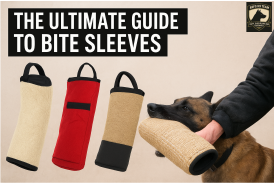
Bite sleeves are one of the most important tools in professional K9 training. Whether you are working with a police K9, military working dog, personal protection dog, or a competitive sport dog, the bite sleeve you choose will directly influence your dog’s confidence, grip quality, safety, and long-term performance.
Many handlers underestimate how much impact a bite sleeve has on shaping behavior. A sleeve is not just protective equipment for the decoy, it is a communication tool that teaches the dog how to bite, where to bite, and how to apply pressure correctly.
This comprehensive guide explains everything you need to know about bite sleeves, including strength levels, materials, progression strategies, safety tips, and how to choose the right sleeve based on your dog’s age, temperament, and training goals. If you want safe, effective, and professional-level results, this guide will help you make the right decisions.
Why Bite Sleeves Matter in K9 Training
A bite sleeve does far more than protect the decoy’s arm. It plays a critical role in developing proper bite mechanics, confidence, targeting accuracy, and controlled aggression.
When used correctly, a high-quality bite sleeve helps to:
Build strong, full-mouth bites
Encourage calm, confident gripping rather than frantic chewing
Improve targeting accuracy on the arm
Strengthen jaw muscles and bite endurance
Reduce injury risk for both dog and decoy
Create smooth progression from prey drive to defensive work
On the other hand, using the wrong sleeve can quickly create training problems. Dogs may develop shallow grips, avoid pressure, lose confidence, or even become fearful of engagement. Poor sleeve selection can also increase the risk of dental damage, joint strain, and handler injury.
That is why understanding bite sleeve strength levels and progression is essential for long-term success.
Understanding Bite Sleeve Strength Levels
Bite sleeves are generally divided into three categories based on resistance and protection level: soft, medium, and hard. Each level serves a specific purpose and should be introduced at the appropriate stage of training.
Progression is key. Skipping levels or moving too fast often leads to regression rather than improvement.
Puppy & Beginner Bite Sleeves (Soft Level)
Best for:
Puppies aged approximately 3–10 months
Young or inexperienced dogs
Timid or lower-confidence dogs
Early prey-drive development
Soft bite sleeves are designed to introduce dogs to bite work in a safe, confidence-building way. At this stage, the goal is not power, it is engagement, motivation, and correct targeting.
Key Features of Soft Bite Sleeves
Very soft and forgiving materials
Lightweight design to reduce strain
Large bite surface to encourage full-mouth grips
Minimal resistance to prevent frustration
Easy for puppies to carry and re-grip
Soft sleeves allow puppies to “win” frequently, which builds enthusiasm and trust in the training process. They also reduce the risk of damaging developing teeth and gums.
Ideal Uses
First introduction to bite work
Teaching dogs to target the arm
Building prey drive and confidence
Encouraging deep, calm grips
Important warning: Hard or overly resistant sleeves should never be used on puppies. Doing so can cause dental injury, fear-based avoidance, or long-term grip problems.
Intermediate Bite Sleeves (Medium Level)
Best for:
Adolescent dogs
Dogs transitioning into structured protection work
Sport dogs building grip mechanics
Working dogs developing power and control
Medium-strength bite sleeves represent the most important training stage. This is where technique is refined and bad habits are either corrected or reinforced.
Key Features of Medium Bite Sleeves
Moderate padding for controlled resistance
Durable construction to handle increasing bite force
Enough firmness to strengthen jaw pressure
Flexible structure to shape grip angle and placement
Balanced weight for longer training sessions
At this level, dogs learn to maintain pressure, hold grips longer, and bite calmly under stress. The sleeve should challenge the dog without overwhelming them.
Ideal Uses
Transition from soft sleeves
Improving grip depth and consistency
Teaching controlled aggression
Preparing for service or competition-level work
Many working dogs remain on medium sleeves for extended periods, especially when perfecting technique before advancing to hard equipment.
🦴 Recommended Bite Sleeve Products from Amazon
- 🐶 YES4QUALITY Dog Bite Sleeve – Medium & Large Dogs: This is a durable, jute bite sleeve great for intermediate training with medium to large breeds like German Shepherds & Pitbulls. It provides excellent protection for trainers while giving dogs a solid surface to bite.
- 🐾 JINJULI Dog Bite Sleeve Training Set: Made with a strong jute outer layer and thick inner padding, this sleeve is ideal for building confidence and bite hold technique. Comes with sturdy handles for safe grip control.
Advanced Bite Sleeves (Hard Level)
Best for:
Mature, experienced working dogs
Police and military K9 units
Security and patrol dogs
Competition-level protection dogs
Hard bite sleeves are designed for dogs that already possess confidence, strong grips, and reliable control. These sleeves simulate real-world resistance and require full commitment from the dog.
Key Features of Hard Bite Sleeves
Thick, reinforced padding
High-density materials for maximum protection
Reduced flexibility to increase resistance
Designed for crushing, sustained grips
Often paired with hidden sleeves or bite suits
Hard sleeves are not teaching tools, they are testing and conditioning tools. Dogs should only be introduced to them once proper technique is established.
Ideal Uses
Police and military certification training
Advanced controlled aggression drills
Scenario-based protection training
High-level sport competition preparation
Using a hard sleeve too early can cause grip avoidance, frustration, or training setbacks. Proper progression ensures success.
Recommended: Rbanbew Bite Sleeve – Professional Protection: A versatile professional-style bite sleeve that can be used on either arm — suited for trainers and serious handlers working on controlled aggression and advanced drills.
How to Choose the Right Bite Sleeve for Your Dog
Selecting the correct bite sleeve depends on several key factors. Never base your choice solely on the dog’s size, experience and confidence matter more.
Factors to Consider
Age: Younger dogs require softer equipment
Experience level: New dogs need confidence, not resistance
Temperament: Nervous dogs need easier wins
Training goals: Sport vs. service work
Breed characteristics: Jaw structure and drive intensity
Quick Reference Guide
| Dog Category | Recommended Sleeve | Reason |
|---|---|---|
| Puppies (3–10 months) | Soft sleeve | Builds confidence and protects teeth |
| Adolescent dogs | Medium sleeve | Develops grip strength and technique |
| Operational dogs | Hard sleeve | Prepares for real-world challenges |
Bite Sleeve Materials Explained
The material of a bite sleeve affects grip feel, durability, and training outcomes.
Jute Bite Sleeves
Most commonly used material
Durable and flexible
Excellent grip feedback
Suitable for all training levels
French Linen Bite Sleeves
Softer texture than jute
Ideal for beginners and sport dogs
Encourages calm, full grips
Common in IPO/IGP training
Synthetic and Heavy-Duty Sleeves
Extremely durable
Designed for advanced dogs
Often used with inner arm protection
Less forgiving, higher resistance
Choosing the right material ensures comfort, safety, and proper progression.
Signs You’re Using the Wrong Bite Sleeve
You may need to adjust your equipment if you notice:
Chewing instead of gripping
Shallow or slipping bites
Loss of interest or hesitation
Inability to fully close the mouth on the sleeve
Excessive impact felt by the decoy
The right sleeve should challenge your dog while maintaining enthusiasm and confidence.
Safety Tips for Bite Sleeve Training
Always use proper protective gear
Never train on damaged or worn sleeves
Avoid overtraining and fatigue
Work with an experienced decoy
Progress gradually through strength levels
Prioritize technique over power
Safety and consistency are more important than speed.
Final Thoughts
Choosing the right bite sleeve is one of the most important decisions in protection training. Each strength level plays a specific role in building confidence, refining grip mechanics, and preparing your dog for real-world performance.
By understanding bite sleeve progression, materials, and proper usage, you create a safe, effective, and professional training environment. Whether your goal is police work, military service, security operations, or competitive sport, the right bite sleeve will help your dog reach its full potential.

Her work centers on applied training across obedience, detection, protection, and operational readiness, with a strong focus on Military Working Dogs (MWDs) and security K9 programs. Rather than theory alone, Rofiat emphasizes proven training methods, repetition, consistency, and real-world conditioning that prepare dogs and handlers for high-pressure tasks.
Through articles, training content, and documentaries, she shares experience-based insights drawn from the field, highlighting how structured training, clear communication, and trust between handler and dog directly impact performance and reliability.
She remains committed to responsible K9 development, continuous skill refinement, and practical education for handlers, trainers, and dog professionals.
- Detection Tactics Every Dog Owner Should Know to Prevent Counter-Surveillance and Tracking - February 11, 2026
- STOP Feeding Your Dogs These Common Human Stews - February 9, 2026
- German Shepherd vs Belgian Malinois: Which Breed Is More Intelligent for Working and Security Roles - February 6, 2026