How to Stop Dog Shedding: Pro Handler Guide
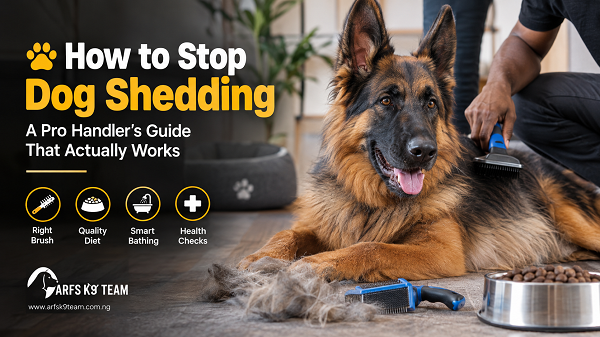
You can’t stop dog shedding completely, it’s a natural biological process every dog goes through but you can cut visible hair loss by 70-90% with the right brush for your dog’s coat type, a smart bathing schedule, a protein-and-omega-rich diet, and by catching medical causes (like thyroid issues or allergies) early. If your dog develops bald patches, red skin, or sudden hair loss, that’s not normal shedding, it’s time for a vet visit.
Table of Contents
- Why Do Dogs Shed? The Science in Plain English
- Normal Shedding vs. Excessive Shedding: How to Tell the Difference
- The 5 Things That Actually Reduce Shedding
- Best Deshedding Tools by Coat Type
- Your Weekly Anti-Shedding Routine (Handler-Tested)
- Diet, Supplements, and Coat Health
- When Shedding Signals a Health Problem
- Managing Hair Around the House
- Trainer’s Take: Real Case Notes
- FAQs
- Conclusion
Introduction
Ever walked into your living room in dress pants, sat down for two seconds, and stood back up looking like you rolled around in a fur factory? Yeah. Every dog owner knows that feeling. And if you’ve already tried a fancy brush from Amazon and a “miracle” shampoo with zero results, I get why you’re frustrated.
I’ve spent years around working dogs, German Shepherds, Belgian Malinois, Labradors, Rottweilers, animals that live outdoors, train hard, and blow their coats twice a year like clockwork. When you handle dogs for a living, you learn fast that shedding isn’t something you “cure.” It’s something you manage, and there’s a right way and a wrong way to do it. Most home remedies people try fall somewhere between “does nothing” and “actively makes it worse.”
In this guide, I’ll walk you through exactly what works, what’s a waste of money, and how to tell the difference between “my Lab blows his coat every spring” and “something is actually wrong.” No fluff, no filler, just what I’ve learned from years of hands-on dog handling, backed by veterinary sources and real product data.
Why Do Dogs Shed? The Science in Plain English
Dog hair grows in cycles: anagen (growth), catagen (transition), and telogen (resting), and then it falls out to make room for new hair. Every dog does this, even the ones marketed as “hypoallergenic.” The rate just depends on the breed, the coat type, and the season.
Here’s the part most articles skip: double-coated breeds, think Siberian Huskies, German Shepherds, Golden Retrievers, and Labrador Retrievers, have a dense, insulating undercoat plus a longer topcoat. Twice a year, usually spring and fall, they “blow their coat,” shedding the entire undercoat in a matter of weeks. That’s why your Lab looks fine in January and turns your couch into a snowdrift by April.
Single-coated breeds (Poodles, Yorkies, Greyhounds) shed too, just less dramatically and less seasonally, because they don’t have that thick undercoat cycling out twice a year.
A few real numbers worth knowing:
- Labrador Retrievers, German Shepherds, Akitas, Chow Chows, Siberian Huskies, and Dalmatians are consistently named among the heaviest-shedding breeds by veterinarians and groomers.
- Indoor dogs living under artificial light and heating/AC can shed year-round at a lower level instead of just twice a year, because their bodies don’t get the same clear seasonal light cues that outdoor dogs get.
- Genetics also plays a role in hair loss patterns, breeds like Chihuahuas, Doberman Pinschers, Italian Greyhounds, Whippets, and Dachshunds are more prone to certain hereditary bald patches that are separate from normal shedding entirely.
If you’re picking a low-shedding breed for your next dog, I broke down 10 low-maintenance dog breeds with lighter grooming needs that might save you a lot of vacuuming down the road.
Normal Shedding vs. Excessive Shedding: How to Tell the Difference
This is the question I get most from new dog owners: “Is this normal, or is something wrong?”
Normal shedding looks like:
- Consistent hair loss year-round (light) or heavy shedding for 2-4 weeks during seasonal coat blow
- An even coat with no bald spots
- Skin underneath looks pink/healthy, not red or flaky
- Dog isn’t constantly scratching, licking, or chewing at the skin
Excessive or abnormal shedding looks like:
- Bald patches or thinning that doesn’t fill back in
- Red, inflamed, or scabby skin
- A dull, brittle coat that seems to be breaking off rather than shedding
- Constant scratching, licking, or a “hot spot” smell
- Sudden onset, your dog went from normal to noticeably worse over days or weeks
Veterinary sources point to several medical triggers behind abnormal shedding, including hypothyroidism, Cushing’s disease (hyperadrenocorticism), food or environmental allergies, flea or mite infestations, nutritional deficiencies, and stress. I’ll go deeper on this in the health section below, it’s genuinely one of the most overlooked parts of this topic on other “how to stop shedding” articles online.
The 5 Things That Actually Reduce Shedding
Most articles list 8-10 generic tips. I’m narrowing it down to the ones that actually move the needle, based on what works with real working dogs.
1. Brush With the Right Tool, Not Just Any Brush
This is the single biggest factor. A slicker brush on a Husky’s undercoat does almost nothing. An undercoat rake or dedicated deshedding tool pulls loose hair out before it ends up on your floor. Manufacturer testing on the FURminator deShedding Tool, the most widely used deshedding tool on the market, shows it can reduce loose hair from shedding by up to 90% with regular, correct use. That’s a marketing figure from the brand, so treat it as an upper-bound “best case,” but the underlying mechanism (grabbing undercoat before it falls) is legitimate and something groomers rely on daily.
2. Bathe on a Smart Schedule, Not a Random One
Bathing loosens and removes dead hair, but overdoing it strips natural skin oils and can actually increase shedding and dryness. For most dogs, that means:
- Short/smooth coats: every 4-6 weeks
- Double-coated breeds during a seasonal blow: one thorough bath with a deshedding shampoo, followed immediately by a full brush-out while the coat is damp (this is when loose undercoat comes out easiest)
- Dry, flaky, or itchy coats: hold off on extra baths and check diet/skin health first
3. Feed for Coat Health, Not Just “Premium” Labels
A diet lacking quality protein or essential fatty acids weakens the hair shaft, so hair breaks and falls out more easily. I cover the specifics in the diet section below.
4. Control Parasites and Allergens
Fleas, mites, and environmental allergens (pollen, dust mites, mold) are a huge, under-discussed cause of “excessive” shedding that people mistake for normal seasonal loss. If your dog is scratching more than shedding, the itch is the real problem.
5. Catch Medical Issues Early
Thyroid and adrenal problems, stress, and skin infections all show up as coat changes long before other symptoms appear. Vets stress that abnormal shedding is often the first visible clue something else is going on internally.
What doesn’t help much, despite being repeated everywhere online:
- Vacuuming more often (it manages the mess, it does nothing for the dog)
- Switching to a “shed-proof” dog shampoo alone, without brushing before and after
- Buying the most expensive brush without matching it to your dog’s actual coat type
Best Deshedding Tools by Coat Type
Here’s how I’d match tools to coats, based on what actually works in the field:
| Coat Type | Example Breeds | Best Tool | How Often |
|---|---|---|---|
| Double coat (heavy shedder) | German Shepherd, Husky, Golden Retriever, Labrador | Undercoat rake or deshedding tool (e.g., FURminator-style) | 2-3x/week, daily during coat blow |
| Short/smooth coat | Boxer, Beagle, Pit Bull, Dalmatian | Rubber curry brush or grooming mitt | 2-3x/week |
| Long/silky coat | Golden Retriever (feathering), Afghan Hound | Slicker brush + metal comb for detangling | Daily |
| Curly/wool coat | Poodle, Bichon | Slicker brush + regular professional trims | 2-3x/week |
| Wire coat | Terriers | Hand-stripping or wire-specific brush | Weekly, professional strip 2-4x/year |
One handler tip that rarely makes it into generic pet blogs: always brush before a bath, not just after. Water tightens loose fur into the undercoat and makes it far harder to remove once wet. Brush first, bathe second, then do a full brush-out again while the coat is damp, that’s when loose hair pulls free easiest.
Your Weekly Anti-Shedding Routine (Handler-Tested)
I’ve built this around a normal work week, because consistency beats intensity here.
- Monday/Wednesday/Friday — Quick brush (5-10 min): Undercoat rake or curry brush, focus on chest, back, and hindquarters where undercoat builds up fastest.
- Saturday — Deep groom (20-30 min): Full deshedding tool session, check for mats, inspect skin for redness, bumps, or parasites while you’re at it.
- As needed — Bath day: Every 4-6 weeks for most dogs, or once at the start of a seasonal coat blow. Brush before, deep-condition, brush again while damp.
- Ongoing — Laundry and home cleanup: Wash your dog’s bed weekly during heavy shedding periods. A daily quick vacuum pass on high-traffic areas keeps hair from building up between deep cleans.
If your dog is still a puppy, coat care habits you build now carry into adulthood, I go into the basics of building a full grooming routine early on in Essential Dog Grooming Tips for a Healthy Puppy.
Diet, Supplements, and Coat Health
I mentioned diet is one of the top 5 levers, so let’s get specific. A dog fed a low-quality diet lacking protein or fatty acids will have a weaker coat that sheds and breaks more easily, this is one of the most consistent things veterinarians point to when owners ask why shedding suddenly got worse.
What to look for in food:
- A named, high-quality animal protein as the first ingredient (chicken, salmon, lamb, not “meat by-product”)
- Diets that meet AAFCO nutrient standards for your dog’s life stage
- Added omega-3 and omega-6 fatty acids, or a fish oil supplement added separately
On fish oil/omega-3 supplements: these are one of the few “coat health” additions with genuine science behind them, omega-3 fatty acids support skin barrier function and reduce inflammation, which in turn reduces excess shedding tied to dry or irritated skin. A general starting point many vets use is roughly 20-55mg of combined EPA/DHA per pound of body weight per day, but always confirm dosage with your own vet since it varies by product concentration and your dog’s health status.
Hydration matters more than people think. Dehydrated skin produces drier, more brittle hair that sheds and breaks more easily. Make sure fresh water is always available, especially in hot climates or after exercise.
When Shedding Signals a Health Problem
This is the section most competing articles brush past in two sentences and it’s genuinely the most important part for a dog owner to understand.
Talk to your vet if you notice:
- Bald patches that don’t regrow, could point to hormonal issues (hypothyroidism, Cushing’s disease), autoimmune skin conditions, or ringworm
- Excessive scratching, licking, or chewing alongside the shedding, usually points to fleas, mites, or allergies (food, environmental, or contact)
- Red, inflamed, greasy, or foul-smelling skin, bacterial or yeast infection, often secondary to allergies
- Sudden, dramatic coat change in an older dog, thyroid and adrenal disease become more common with age
- Shedding during pregnancy or heat cycles in intact females, hormonal fluctuation is normal here, but worth mentioning to your vet if it’s severe
Cushing’s disease specifically causes a buildup of excess cortisol from the adrenal glands, and hair loss/thinning is one of its hallmark visible symptoms, vets typically confirm it through blood work and ultrasound, and it’s treatable with medication once diagnosed. Hypothyroidism works differently but produces a similar visible effect: a dull, thinning coat and slower regrowth after shedding.
The bottom line: if brushing, diet, and bathing changes don’t improve things within a few weeks, or if you see any red flags above, book a vet visit rather than trying another product first.
Managing Hair Around the House
Once you’ve got the dog-side of shedding under control, the house-side gets a lot easier:
- Vacuum with a pet-hair-rated vacuum on high-traffic and napping areas every 2-3 days during heavy shedding season
- A rubber squeegee or broom works surprisingly well on carpets and rugs for pulling up embedded hair that vacuums miss
- Lint rollers near the door for a quick pass on clothes before you leave the house
- Wash bedding and blankets weekly, hair and dander build up here fast
- A HEPA air filter helps if anyone in the household has allergies, since airborne dander is a separate issue from visible shed hair
Trainer’s Take: Real Case Notes
A few things I’ve seen firsthand that don’t always make it into generic shedding guides:
Case 1 — The “switch shampoo” trap. A client with a German Shepherd kept switching shampoos every few weeks chasing a “shed-proof” formula, and the shedding got worse, not better. The actual issue was over-bathing, nearly every 2 weeks, which stripped the coat’s natural oils. We cut bathing to once every 5-6 weeks with a proper brush-out before and after, and visible shedding dropped noticeably within a month.
Case 2 — The “seasonal panic.” Every spring, I get messages from owners convinced something is medically wrong with their Husky or Malinois because the shedding looks “extreme.” Nine times out of ten, it’s a completely normal seasonal coat blow. The undercoat rake sessions during that 3-4 week window make the biggest visible difference, daily 10-minute sessions instead of one long weekly one.
Case 3 — Diet upgrade, real results. A working Labrador on a budget kibble had a noticeably dry, flaky coat with more shedding than expected for the season. Switching to a diet with a named protein source and added omega-3s, plus a daily fish oil supplement, showed a visibly improved coat within about 6-8 weeks, which lines up with a typical hair growth cycle.
If you’re building a full household routine and want a deeper, structured resource on reading your dog’s day-to-day signals (including coat and stress cues), our e-book, Beyond the Bark, goes further into the behavior and care side that connects to coat health, stress, for example, genuinely does trigger extra shedding, and most owners never make that connection.
Working and guard breeds like the German Shepherd, Belgian Malinois, and Rottweiler tend to shed the heaviest of all the practical family/security dogs, if you’re weighing coat maintenance against protection ability, it’s worth reading Guard Protection Dogs: Top Breeds & Essential Rules and Best Dog for Security and Family: Top 7 Breeds before you commit to a breed.
Trainer Note: Why You Can Trust This Guide
This guide is written from hands-on experience handling working and security dogs across multiple double-coated and short-coated breeds, cross-checked against veterinary sources on shedding causes (hypothyroidism, Cushing’s disease, allergies, and nutritional deficiency) and manufacturer testing data on deshedding tools. It reflects field-tested routines, not repackaged product copy. If you have a breed-specific shedding question, feel free to reach out through ARFS K9 Team’s contact page, we’re happy to help point you in the right direction.
FAQs
1. Can you completely stop a dog from shedding?
No. Shedding is a natural part of every dog’s hair growth cycle. Even “hypoallergenic” breeds shed, just less noticeably. What you can do is significantly reduce visible hair loss through the right brushing routine, diet, and bathing schedule.
2. What is the best tool to stop dog shedding?
For double-coated breeds, an undercoat rake or a dedicated deshedding tool (like a FURminator-style comb) is the most effective option, removing loose undercoat before it falls out on its own. For short-haired dogs, a rubber curry brush or grooming mitt works better and is gentler on the skin.
3. Why is my dog shedding so much all of a sudden?
Sudden, dramatic shedding increases can point to seasonal coat blow (normal for double-coated breeds), a diet change, stress, allergies, parasites, or a hormonal issue like hypothyroidism or Cushing’s disease. If it comes with bald patches, red skin, or constant scratching, see a vet.
4. Does bathing a dog more often reduce shedding?
Not necessarily. Bathing too frequently strips natural skin oils, which can dry out the coat and increase shedding. A smart schedule, every 4-6 weeks for most dogs, with a thorough brush-out before and after, works better than washing more often.
5. Do fish oil and omega-3 supplements actually help with shedding?
Yes, to a meaningful degree. Omega-3 fatty acids support skin barrier health and reduce inflammation, which helps reduce shedding tied to dry, irritated, or poor-quality skin. It’s not a magic fix for genetics or medical conditions, but it’s one of the better-supported supplement choices for coat health.
Conclusion
Here’s the honest truth: you’re never going to fully “stop” dog shedding, and any product promising that is overselling. What actually works is a combination, the right brush for your dog’s specific coat, a bathing rhythm that doesn’t dry out the skin, a diet that actually supports hair growth, and paying attention to the warning signs that something more than normal shedding is going on.
Start simple. Pick the right deshedding tool for your dog’s coat type, commit to 10 minutes of brushing three times a week, and check your dog’s food label for a real protein source. Give it 4-6 weeks, that’s roughly how long it takes for diet and grooming changes to show up in the coat and you’ll notice a real difference in both your dog’s coat and your vacuum cleaner’s workload.
And if something feels off, bald patches, red skin, non-stop scratching, don’t wait it out. That’s your dog telling you it’s more than just shedding season.

Her work centers on applied training across obedience, detection, protection, and operational readiness, with a strong focus on Military Working Dogs (MWDs) and security K9 programs. Rather than relying on theory alone, Rofiat emphasizes proven training methods built on repetition, consistency, and real-world conditioning principles that prepare both dogs and handlers for high-pressure tasks.
Through articles, training content, and documentaries, she shares experience-based insights from the field, highlighting how structured training, clear communication, and trust between handler and dog directly impact performance and reliability.
Drawing from years of frontline experience, she is also the author of “Beyond the Bark: Inside a Pro Handler’s Playbook for Raising the Ideal Dog,” a practical guide designed to help dog owners and handlers apply professional training principles in everyday situations.
She remains committed to responsible K9 development, continuous skill refinement, and practical education for handlers, trainers, and dog professionals.
- How Many Teeth Do Dogs Have? Puppy vs Adult Chart - September 22, 2026
- What Colors Do Dogs See? (Dog Vision Spectrum) - September 22, 2026
- Is Cinnamon Bad for Dogs? Safe Dosage by Weight - September 21, 2026