National Puppy Day 2026: Ultimate Puppy Checklist
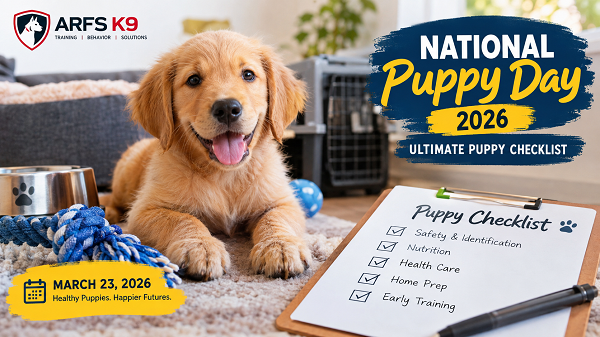
National Puppy Day falls on March 23, 2026 (a Monday), and the best way to celebrate is to make sure any puppy you bring home, that day or any other, is actually set up to succeed. A solid puppy checklist covers five things: safety gear (crate, collar, ID tag), nutrition (AAFCO-approved puppy food), health care (a vet visit within 72 hours and a vaccine schedule through 16 weeks), home prep (puppy-proofing and a designated potty area), and early training (crate training, socialization before the 14-week window closes, and basic commands). Skip any one of these, and you’ll pay for it later, in vet bills, chewed furniture, or a fearful adult dog.
Table of Contents
- What Is National Puppy Day and Why Does It Matter
- Before You Bring Your Puppy Home: The Prep Checklist
- Puppy Supplies Checklist: What You Actually Need (and What You Don’t)
- The Real Cost of a Puppy in 2026
- Puppy-Proofing Your Home, Room by Room
- Your Puppy’s First 24 Hours, First Week, First Month
- Vaccination and Vet Care Schedule
- The Critical Socialization Window Nobody Talks About Enough
- Crate Training and Potty Training Basics
- Trainer’s Note: Why You Can Trust This Guide
- 5 FAQs About National Puppy Day and New Puppies
- Conclusion: Your Puppy Deserves More Than a Pretty Photo
What Is National Puppy Day and Why Does It Matter
Ever notice how your feed turns into an endless scroll of puppy photos every March 23rd? That’s National Puppy Day, and it’s bigger than a cute hashtag.
National Puppy Day was founded in 2006 by animal behaviorist and pet lifestyle expert Colleen Paige, who also started National Dog Day. The point was never just to celebrate how adorable puppies are. It was to push adoption over impulse-buying and shine a light on the ugly side of the industry: puppy mills that churn out litters in terrible conditions for profit.
So here’s the thing, if you’re reading this because you’re planning to bring a puppy home around March 23, 2026, that’s great. But the day itself isn’t the point. What matters is whether you’re actually ready. The ASPCA estimates roughly 3.3 million dogs enter U.S. shelters every year, and a big chunk of them are puppies who were adopted on impulse by people who weren’t prepared for the reality of raising a dog.
That’s exactly why this checklist exists. I’ve spent years training working and family dogs, and almost every serious behavior problem I get called in to fix traces back to gaps in the first few months: no socialization plan, no crate routine, no consistency. Let’s close those gaps before your puppy even walks through the door.
Before You Bring Your Puppy Home: The Prep Checklist
Most puppy checklist articles jump straight to a shopping list. I’m not going to do that, because shopping is the easy part. Prep work is what actually prevents chaos.
Do these before puppy day:
- Book your first vet appointment, ideally within 48-72 hours of bringing your puppy home, even if they seem perfectly healthy. Breeders and shelters can miss things like parasites or hernias.
- Pick a food and stick with it for at least the first two weeks. Sudden diet changes are one of the top causes of puppy diarrhea.
- Choose your potty spot outside and decide on your house-training method before day one, deciding on the fly leads to mixed signals.
- Puppy-proof at least one room fully (details below) so you have a safe base camp.
- Talk to everyone in the house about the rules. If one person lets the puppy on the couch and another doesn’t, your puppy will get confused fast, and confused puppies get anxious.
- Request the vaccine and deworming records from the breeder, shelter, or rescue so your vet isn’t starting from zero.
Puppy Supplies Checklist: What You Actually Need (and What You Don’t)
I’ve seen new owners spend over ₦150,000 (or $300+) on gear their puppy never touches. Here’s what genuinely earns its keep.
Safety and identification
- Flat collar (adjustable, so it grows with your pup)
- 4–6 foot leash (skip the retractable ones, they teach terrible leash habits early on)
- ID tag with your phone number
- Microchip (many shelters do this before adoption; ask your vet if not)
Crate and bedding
- A crate sized for your puppy’s adult weight, with a divider panel to shrink the space while they’re small (too much room in a crate defeats the potty-training purpose)
- Washable bedding, puppies have accidents, guaranteed
Feeding
- Stainless steel or ceramic bowls (plastic can harbor bacteria and trigger chin acne in some pups)
- Puppy-specific food labeled with an AAFCO growth statement, this matters more than brand hype
- Slow-feeder bowl if your breed is a gulper (common in Labs and Beagles)
Chew and enrichment toys
- 2–3 durable chew toys for teething (puppies lose their baby teeth between 3-6 months and chewing genuinely soothes sore gums)
- 1 puzzle feeder for mental stimulation
- 1 comfort toy, something with a heartbeat simulator can noticeably calm a pup through the first few nights away from littermates
Cleanup and grooming
- Enzymatic cleaner (regular cleaners don’t fully remove the scent that draws puppies back to the same accident spot)
- Puppy-safe shampoo
- Nail trimmers sized for small paws
- Soft-bristle brush
Containment
- Exercise pen or baby gates to block off unsafe areas while you can’t watch them every second
What you can skip early on: expensive designer beds (they’ll get chewed), a full wardrobe of outfits, and multiple crate sizes, buy one crate with a divider instead of upgrading three times.
The Real Cost of a Puppy in 2026
This is the section most puppy checklists skip, and it’s the one that causes the most regret later. According to industry pet-spending surveys, first-year costs for a new puppy, including gear, food, vaccines, spay/neuter, and initial vet visits, typically run $1,400 to $3,000+ in the U.S., and the equivalent in the UK and EU tends to land in a similar mid-to-high range once you convert currency and add pet insurance.
Rough breakdown for year one:
- Initial supplies (crate, leash, bowls, toys): $150–$300
- Vaccinations and vet visits: $300–$600
- Spay/neuter: $150–$500 (varies hugely by location and clinic)
- Food for the first year: $250–$700 depending on breed size
- Pet insurance (optional but smart): $250–$700/year
- Training classes: $100–$400
Budget for the higher end if you’re getting a large or giant breed, bigger dogs eat more, need bigger everything, and often rack up higher vet bills. If cost is tight, adopting from a shelter around National Puppy Day often means vaccines, microchipping, and spay/neuter are already bundled into the adoption fee, which can save you hundreds.
Puppy-Proofing Your Home, Room by Room
Puppies explore with their mouths, and that’s where most emergency vet visits come from. Go room by room instead of doing a vague “puppy-proof the house” pass, it’s the only way to catch everything.
Kitchen
- Secure trash cans with locking lids
- Store cleaning supplies up high, not under the sink
- Watch for dropped food, grapes, onions, and chocolate are toxic to dogs
Living room
- Tuck away phone and charger cables (a chewed cable is both a fire hazard and an expensive replacement)
- Move houseplants, many common ones like lilies, sago palm, and pothos are toxic
- Remove small objects a curious mouth could swallow (remote batteries, coins, hair ties)
Bathroom
- Keep the toilet lid down
- Store medications in a closed cabinet, never on a counter
Bedroom
- Get shoes and socks off the floor, a classic chew target
- Block access under the bed if it’s a space you can’t monitor
Yard
- Check fencing for gaps a small puppy could squeeze through
- Confirm your plants aren’t toxic (check the ASPCA’s toxic plant list)
- Remove standing water sources where parasites can breed
Your Puppy’s First 24 Hours, First Week, First Month
Here’s a timeline most checklists leave out entirely, and it’s genuinely useful for setting expectations.
First 24 hours: Keep it low-key. No big welcome party, no trip to five different stores. Let your puppy explore one puppy-proofed room, show them the crate and potty spot, and expect a rough first night, whining is normal as they adjust to being away from littermates.
First week: Establish a feeding, potty, and sleep schedule. Puppies thrive on predictability. Start crate training in short sessions. Begin house-training with frequent trips outside, after meals, naps, and play.
First month: Start basic commands (sit, come, name recognition). Begin structured socialization outings once your vet gives the green light. Schedule the second round of vaccines. This is also when most house-training “aha moments” happen if you’ve stayed consistent.
Vaccination and Vet Care Schedule
Work with your vet on the exact timing, since it varies by region and vaccine brand, but here’s the general framework most vets in the U.S., UK, and EU follow:
| Age | What Happens |
|---|---|
| 6–8 weeks | First combination vaccine (DHPP), deworming, general health check |
| 10–12 weeks | Second DHPP booster, physical exam |
| 14–16 weeks | Third DHPP booster, rabies vaccine (required by law in most regions) |
| 12–16 weeks | Spay/neuter discussion (timing depends on breed size) |
| 6 months+ | Adult dental check, discuss adult food transition |
Don’t let your puppy interact freely with unknown dogs or high-traffic dog areas (dog parks, pet stores with lots of foot traffic) until they’ve had their full vaccine series, parvovirus is highly contagious and can be fatal in unvaccinated puppies.
The Critical Socialization Window Nobody Talks About Enough
This is the single biggest gap I see in every other puppy checklist article on the internet, and it’s arguably more important than any item on your shopping list.
Veterinary behaviorists (the American Veterinary Society of Animal Behavior among them) point to a critical socialization window that closes around 12 to 14 weeks of age. Whatever your puppy hasn’t been safely exposed to by then, different people, surfaces, sounds, other vaccinated dogs, car rides, gentle handling, becomes much harder to introduce comfortably later. A lot of adult dog fear and reactivity traces straight back to a missed window here, not bad genetics.
Practical tips for safe socialization before vaccines are complete:
- Carry your puppy (don’t let paws touch the ground) in low-risk public places like pet-friendly stores
- Host controlled playdates with fully vaccinated, healthy adult dogs
- Expose them to different sounds at home, vacuum, doorbell, traffic sounds on low volume
- Invite a few different people over so your puppy meets a variety of faces, voices, and body types early
Crate Training and Potty Training Basics
Crate training isn’t cruel when it’s done right, it taps into a dog’s natural instinct to den, and it dramatically speeds up house-training. If you want a full walkthrough with timelines and common mistakes, I put together a detailed guide here: how to crate train a puppy for faster results.
Quick rules that make the biggest difference:
- Never use the crate as punishment, it should always feel safe
- Size it for your puppy to stand, turn around, and lie down comfortably, no more
- Take them straight outside first thing every morning, after every nap, and within 15-20 minutes of eating
- Praise immediately when they potty in the right spot, timing matters more than the words you use
Grooming routines matter here too, since a puppy who’s used to gentle handling from week one is far easier to groom, examine, and treat as an adult. I cover the full routine in this guide on essential grooming tips for a healthy puppy and if you’re wondering why your pup seems to be losing teeth left and right around this age, it’s completely normal; here’s the full breakdown of puppy vs. adult teeth.
Trainer’s Note: Why You Can Trust This Guide
I put this article together after years of hands-on K9 training and handler consultations, not from recycling other blog posts. The gaps I flagged above (the socialization window, real cost breakdowns, the room-by-room puppy-proofing) are the exact questions new owners ask me most often during consultations, and they’re the ones most “puppy checklist” articles online gloss over. If you want a deeper, structured system for raising a well-mannered dog from puppyhood through adulthood, my e-book Beyond the Bark walks through the training philosophy behind everything in this guide.
5 FAQs About National Puppy Day and New Puppies
1. When is National Puppy Day 2026?
National Puppy Day 2026 falls on Monday, March 23. It’s observed every year on March 23, regardless of the day of the week.
2. What’s the very first thing I should buy for a new puppy?
Prioritize safety and nutrition first: a properly sized crate, a collar with ID tag, and AAFCO-approved puppy food. Toys and accessories can wait a week.
3. How much does a puppy really cost in the first year?
Plan for $1,400–$3,000+ in the U.S. for supplies, vaccines, spay/neuter, and food, with the range shifting based on breed size and whether you add pet insurance.
4. Is National Puppy Day a good day to adopt a puppy?
It can be a great symbolic day, since many shelters run adoption promotions around it but don’t rush the decision just because of the date. Make sure you’ve done the prep work in this checklist first, regardless of when you bring your puppy home.
5. How long does it take to fully house-train a puppy?
Most puppies are reliably house-trained between 4 and 6 months with consistent crate training and a fixed potty schedule, though some smaller breeds take a bit longer due to smaller bladders.
Conclusion: Your Puppy Deserves More Than a Pretty Photo
National Puppy Day is a fun excuse to celebrate but the real gift you can give a puppy, on March 23 or any day, is being genuinely ready for them. Get the vet visit booked, the crate sized right, the house puppy-proofed, and a socialization plan in motion before that critical 14-week window closes. Everything else, the toys, the outfits, the extra treats, is a bonus, not a requirement.
If this checklist helped, don’t stop here. Subscribe to our weekly newsletter for more hands-on K9 training tips straight from real handler experience, delivered to your inbox every week.

Her work centres on obedience, detection, protection and operational readiness. She favours proven methods built on repetition, consistency and real-world conditioning, so that both dogs and handlers are prepared for high-pressure tasks.
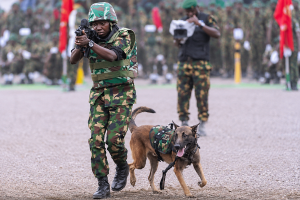
Rofiat represented the Nigerian Army Dog Centre at the Nigerian Army Day Celebration (NADCEL) 2026, where she led demonstrations in obedience, explosive detection, agility and tactical movement. Through articles, training content and documentaries, she shares field-based insight into how structured training, clear communication and trust between handler and dog affect performance and reliability.
She is the author of Beyond the Bark: Inside a Pro Handler's Playbook for Raising the Ideal Dog, a practical guide that helps dog owners and handlers apply professional training principles in everyday situations.
- 5 Hardest Toy Dog Breeds to Housebreak (And Fixes) - October 12, 2026
- National Puppy Day 2026: Ultimate Puppy Checklist - October 11, 2026
- Small Dog Types: 10 Best Breeds for Apartments - October 10, 2026