How to Crate Train a Puppy: K9 Trainer Tips for Faster Results
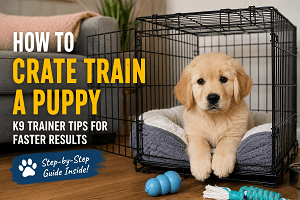
Crate training a puppy works fastest when you make the crate feel safe, rewarding, predictable, and connected to calm leadership instead of punishment, because as seen in advanced K9 training, obedience must always override instinct before structure can work effectively. Every professional K9 trainer understands that successful crate training is not about locking a puppy away, it is about building structure, confidence, bladder control, emotional stability, and trust from day one.
Most new dog owners find crate training tough. Nights filled with whining, a pup that won’t go inside, constant barking, clawing at walls, these things pile up fast, leaving owners wondering. Yet professional dog trainers see it differently: dogs actually like small, cave-style spots once shown how to use them. It isn’t about the box sitting in the corner, it’s more often poor timing, mixed signals, shaky routines, plus how people act during training.
A well crate trained young dog tends to learn bathroom routines faster, stays relaxed on trips, faces fewer dangers alone at home, handles fresh surroundings with steadier nerves, plus shows far less urge to chew or dig. It makes no difference if your pet is a German Shepherd, Belgian Malinois, Labrador Retriever, Cane Corso, Rottweiler, Pit Bull, or one of the smaller types made for companion, the core ideas work just the same.
A step-by-step look at how pro dog trainers get crates, spot errors fast, follow practical timelines, uncover tricks used in real households, fix common hiccups, handle daily challenges with ease. Methods tested beyond textbooks, shaped by living rooms, not lectures.
Table of Contents
- What Is Crate Training?
- Why K9 Trainers Strongly Recommend Crate Training
- Choosing the Right Crate for Faster Results
- Correct Crate Size Matters
- Where Should You Place the Crate?
- Preparing the Crate Properly
- The First Day of Crate Training
- The Biggest Secret to Faster Crate Training
- How Long Should a Puppy Stay in a Crate?
- Nighttime Crate Training Tips
- Should You Ignore Puppy Crying?
- How to Potty Train Faster Using the Crate
- What to Do If the Puppy Has an Accident in the Crate
- Common Crate Training Mistakes That Slow Progress
- How Dog Trainers Build Crate Drive
- Teaching the “Kennel” Command
- Best Toys for Crate Training
- How to Crate Train While Working Full-Time
- High-Energy Breeds Need Different Crate Training
- How to Crate Train a Stubborn Puppy
- Crate Training and Separation Anxiety
- Signs Crate Training Is Working
- Advanced K9 Trainer Tips for Faster Results
- Sample Puppy Crate Training Schedule
- How Long Does Crate Training Take?
- When to Stop Using the Crate
- Transitioning Out of the Crate
- Crate Training Myths That Confuse Dog Owners
- Real K9 Trainer Perspective on Crate Training
- Final Thoughts
- Common questions people ask
What Is Crate Training?
Puppies learn to settle down when they spend quiet moments in a confined space. A box or enclosure becomes their safe zone through steady practice. Time spent inside builds patience. Space matters less than routine. Calm behavior grows with repetition. What looks like confinement turns into comfort.
The crate becomes:
- A sleeping area
- A safe retreat
- A management tool
- A housebreaking aid
- A travel preparation space
- A structure-building tool
A crate gives a dog a predictable space, which calms the mind. Because structure matters, trainers rely on these enclosures during daily drills. When excitement builds, the familiar walls offer quiet. Discipline grows where limits are clear. Some pups settle faster when their world feels contained.
Punishment is not what a crate ought to represent.
Most dogs will walk into their crate on their own if it feels safe. Door left open makes no difference once trust builds slowly. A well-used space becomes their choice, not a forced pause.
Why Dog Trainers Strongly Recommend Crate Training
Puppies often act out when they get more freedom than they should at a young age.
A puppy left loose in the house often:
- Chews furniture
- Eats dangerous objects
- Develops separation anxiety
- Learns bad potty habits
- Becomes overstimulated
- Struggles with boundaries
Puppies learn best when life feels predictable, so handlers reach for crates. A set routine settles their minds right when lessons matter most.
Benefits of Crate Training
- Faster Potty Training: Puppies pick up potty habits faster when space feels just right. Their instinct keeps them from messing where they rest.
- Prevents Destructive Behavior: Puppies love to chew, it’s just what they do. When left alone, the crate keeps things safe from their busy teeth.
- Builds Independence: Puppies start calming themselves rather than needing people around every moment.
- Improves Safety: Puppies tucked inside a crate stay clear of things, since those items are out of reach.
- Helps Create Calmness: A working dog learns when to push forward, when to settle down. Inside the crate, it figures out balance on its own.
- Makes Vet Trips and Travel Simpler: Pacing through a crate now might mean calmness later inside a vet’s room. A dog used to tight spaces takes travel in stride. During trips, those trained earlier adapt without panic. Staying still becomes easier if practiced before flights or exams.
Most crate training failures come from misunderstanding leadership. Many owners still approach training through dominance, while professional handlers rely on structured discipline and communication
Choosing the Right Crate for Faster Results
A common mistake derails crate training right away. The space feels off because the enclosure suits neither size nor temperament. Wrong dimensions throw everything out of balance instantly.
Popular Puppy Crate Options
Wire Crates
Best for:
- Airflow
- Visibility
- Growing puppies
- Adjustable sizing
Trainers often pick these since the crate can adjust as the puppy gets bigger, thanks to removable sections inside.
Plastic Airline Crates
Best for:
- Nervous puppies
- Travel
- Dogs needing a den-like environment
Outside noise fades when these are used, helping certain young dogs calm down more quickly.
Heavy-Duty Crates
Best for:
- Powerful breeds
- Escape artists
- High-drive working dogs
Some dogs, such as Belgian Malinois or Cane Corsos, grow powerful enough that sturdier enclosures become necessary over time.
Correct Crate Size Matters
The puppy should:
- Stand comfortably
- Turn around easily
- Lie down fully
Yet a crate too large misses the point entirely.
A crate that is too large allows the puppy to:
- Sleep on one side
- Turn around before you pee there
Slowing things down a lot? That’s what happens with potty training here.
When puppies start learning, some handlers split the area with a barrier. A sectioned room helps them focus without too much freedom at first.
Where Should You Place the Crate?
Location affects success more than most owners realize.
Best Crate Locations
During the Day
Place the crate:
- In the living room
- Near family activity
- Where quiet meets company
At Night
Place the crate:
- Near your bed initially
- Close enough to hear the puppy
- Away from loud distractions
Darkness tends to unsettle pups taken from mom too soon. They cry more when alone after being pulled away early.
Professional trainers gradually increase distance over time.
Preparing the Crate Properly
Get ready before the puppy arrives
Add:
- Safe chew toys
- A soft crate mat
- A durable blanket
- Interactive chew items
Avoid:
- Overstuffing the crate
- Unsafe toys
- Water bowls overnight for young puppies
- Excess bedding for puppies that chew destructively
Puppies sometimes get overwhelmed when surrounded by lots of things at once.
Most times, it’s the basic arrangements that deliver. When things stay uncomplicated, they tend to run smoother without extra fuss getting in the way.
The First Day of Crate Training
Puppies carry the weight of their first meeting forever. A single moment sets the mood deep inside them. That early flash stays rooted, quiet but strong. First impressions sink like stones in still water. What comes at the start colors every heartbeat after.
Start slow when guiding the young dog inside the box. A gentle approach builds trust over time.
Most new owners slip up right there without even realizing it.
How a Professional Dog Trainer Starts Working With Dogs
- Leave the Door Open: Allow exploration naturally.
- Toss treats inside: Watch how the pup finds treats on its own.
- Feed meals near the crate: Slide the food bowl a little farther in each time.
- Reward Calm Behavior: Notice calm actions before loud ones. Quiet moments matter more than big reactions.
- Keep sessions short: Start with 30 seconds, 1 minute, 3 minutes and Gradual increases
What matters most is belief in yourself, not how long it takes.
The Biggest Secret to Faster Crate Training
Puppies learn quickest inside the crate if their bodies and minds are at rest. A long play session earlier makes settling down easier later that night. Tired muscles relax faster than restless ones. When energy dips, focus grows stronger on sleeping instead of fussing. Crating works best after exhaustion sets in naturally through activity.
A puppy with excess energy will:
- Bark
- Cry
- Bite the crate
- Refuse to settle
K9 trainers rarely crate high-energy puppies without:
- Play
- Walks
- Obedience work
- Mental stimulation
Pre-Crate Routine Example
Before crating:
- Potty break
- Short training session
- Play session
- Calm transition
- Crate time
Success rates climb sharply because of this.
How Long Should a Puppy Stay in a Crate?
This depends on:
- Age
- Bladder control
- Energy level
- Training progress
General Puppy Crate Guidelines
8–10 Weeks
Most days, no more than a couple of hours while the sun is up. Sometimes just one hour fits better, depending on timing
11–14 Weeks
2–3 hours
15–16 Weeks
3–4 hours
6 Months+
Some dogs need just four hours. Others might take six. It changes with each one
Puppies just aren’t built to wait very long before peeing. Their tiny bodies simply can’t manage it yet.
Faulty assumptions often lead to mishaps instead of progress. Mistakes creep in when people expect too much without checking reality first.
Nighttime Crate Training Tips
Most folks find things tougher when darkness falls.
Why Puppies Whine During the Night
Usually because:
- Most times, they’re looking for a bathroom
- They feel isolated
- They are overstimulated
- They were not properly exercised
It isn’t about being flawed. That’s not it at all
Dog Trainer’s Evening Habits for Better Outcomes
1. Remove Water Before Sleep
Typically:
- Two hours prior to going to sleep
Unless medically necessary.
2. Final Potty Break
Hold off till the little dog does its business. When it finally goes, that is your moment.
3. Avoid Excitement Before Bed
Late nights bring quiet, so loud games stay away then. Rest comes easier when noise steps out after dark.
4. Use Calm Energy
Your emotional state affects the puppy.
5. Cover Part of the Crate
Some puppies calm down more quickly when there’s less going on in their field of view.
Should You Ignore Puppy Crying?
Why the puppy cries makes a difference here.
Professional trainers differentiate between:
- Attention-seeking
- Anxiety
- Potty needs
- Panic
Ignore:
- Mild whining
- Complaining
- Demand barking
Respond:
- Genuine distress
- Potty emergencies
- Signs of panic
A pup cry nonstop for forty-five minutes, means quiet hasn’t settled in yet.
When feelings overwhelm you completely, that is what happens.
The 5 Minute Habit Some Trainers Follow
If the puppy:
- Whines briefly
- Then settles
Ignore it.
If things keep getting worse with the young dog…
- Reassess exercise
- Reassess potty schedule
- Slow down how fast crates come in
How to Potty Train Faster Using the Crate
Potty training follows crate training when timing lines up right.
Dog Trainer Potty Formula
Take the puppy out
- Immediately after waking
- After eating
- After play
- After training
- Before crating
- Once out of the box
Bladder routines form fast when repeated without change.
Signs Your Puppy Needs to Go Outside
Watch for:
- Circling
- Sniffing intensely
- Restlessness
- Sudden wandering
- Whining near doors
What to Do If the Puppy Has an Accident in the Crate
Do NOT:
- Scream
- Hit the puppy
- Rub their nose in it
Instead:
- Clean thoroughly
- Use enzyme cleaner
- Make the crate smaller when necessary
- Increase potty frequency
- Reevaluate feeding schedule
Fear grows where punishment is used, because lessons rarely settle in. Understanding stays absent when threats lead the way.
Common Crate Training Mistakes That Slow Progress
1. Putting the Dog in the Crate When It Misbehaves
Now things feel different. Good feelings fade away. The link that once brought comfort breaks apart. Even equipment choices like harnesses affect crate training outcomes, because control tools influence how a dog associates movement, restraint, and structure.
2. Letting the Puppy Out During Barks
The puppy learns:
“Noise opens the door.”
Wait for calmness before releasing.
3. Too Much Freedom Too Soon
Most people mess up toilet learning when they let pets roam everywhere indoors.
4. Inconsistent Schedules
Most dogs pick up on repetition more quickly than scattered actions.
5. Exercising Too Little
A restless pup seldom calms down when boredom sets in.
6. Rushing Separation
Little by little, doing things on your own builds up belief in what you can do.
How Dog Trainers Build Crate Drive
A willing step inside, that is what called “crate drive”, describes when a dog chooses the crate. Movement begins by choice, not force. The act unfolds without pressure. A voluntary entry marks the behavior clearly. What matters shows in the decision, not the door closing.
This behavior is commonly developed in working dogs, where every tool in training is designed to build purpose-driven obedience rather than casual pet behavior
Some trainers of working dogs plan for this kind of reaction on purpose.
How Experts Work
Feed Every Meal Inside the Crate
Happy feelings stick when things go well.
Hide Special Chews Inside
Found just when crates appear.
Practice “Kennel” Command
Teach:
- “Kennel”
- “Crate”
- “Place”
Reward heavily.
Don’t run after the puppy when it’s near the crate
That creates avoidance.
Teaching the “Kennel” Command
Step-by-Step
- Step 1: A bit of food goes in there now.
- Step 2: Say: “Kennel.”
- Step 3: Right when you join, get something back. A gift follows your first step inside.
- Step 4: Repeat consistently.
It won’t take long, the little dog follows directions without hesitation. Then it moves into position whenever told.
Getting into the crate feels good because skilled people handle it right. The dog sees it as a win, not being stuck.
Best Toys for Crate Training
The right toys increase calmness significantly.
Recommended:
- Frozen KONG toys
- Long-lasting chews
- Safe rubber toys
- Puppy-safe teething items
Avoid:
- Rope toys unattended
- Easily shredded plush toys
- Small choking hazards
Frozen enrichment toys are especially effective for:
- Teething puppies
- High-energy breeds
- Separation anxiety prevention
How to Crate Train While Working Full-Time
Some pet keepers stress about training their dog inside a crate because of job hours.
Planning makes it happen.
Best Solutions
- Hire a Dog Walker: Breaks at noon make a real difference when it comes to using the restroom.
- Use a Puppy Pen: Parked beside the crate, a play area stretches out when time runs long. A penned space clicks on where movement matters more than minutes. Tethered close, extra room waits each time the hours grow. Fixed near the enclosure, freedom gets a bit wider whenever days stretch thin.
- Ask Family for Support: Consistency matters.
- Think Twice About Doggy Daycare: Puppies sometimes struggle when too much is happening around them.
Most dog trainers focus on routine instead of constant exposure to people. A clear schedule shapes behavior more than frequent meet.
High-Energy Breeds Need Different Crate Training
Breeds like:
- Belgian Malinois
- German Shepherds
- Dutch Shepherds
- Cane Corsos
- Pit Bulls
Need:
- More mental stimulation
- Structured obedience
- Stronger routines
Without proper exercise, these breeds often:
- Destroy crates
- Bark excessively
- Develop frustration
A sleepy pup picks up tricks quicker.
How to Crate Train a Stubborn Puppy
Some puppies resist confinement harder than others.
Force won’t fix it. What works lives elsewhere.
Increase:
- Reward value
- Exercise quality
- Mental engagement
- Structure
Reduce:
- Emotional reactions
- Inconsistency
- Over-coddling
Frustration fades when calm leads instead. Quiet strength guides more than loud reactions ever could.
Crate Training and Separation Anxiety
A crate isn’t what makes a dog feel anxious when left alone. It’s more about how it’s used that shapes the reaction.
It happens when feelings rely too much on someone else.
Avoid Creating Dependency
Do not:
- Constantly comfort whining
- Make dramatic exits
- Make emotional arrivals
Calmness defines the expert’s touch, neutrality follows close behind.
Signs Crate Training Is Working
You will notice:
- Faster settling
- Less barking
- Dry mornings
- Voluntary crate entry
- Better house manners
- Increased calmness
Change tends to unfold slowly, step by step, rather than in a single moment.
Advanced Dog Trainer Tips for Faster Results
Feed at Regular Times
Potty routines get thrown off when food is always available.
Meals set on a timetable bring steadier rhythms. When timing is fixed, daily flow adjusts without surprise.
Practice Random Crate Sessions
Stay inside unless you are stepping out the door.
Left alone like that, the pup might link the crate to being left behind.
Reward Calm Behavior Instead of Excitement
Some pet parents unknowingly encourage wild behavior.
K9 trainers reinforce calmness consistently.
Leash Guidance Inside
Pacing inside on a lead keeps movement guided. Sometimes the hallway sets clear limits.
Potty time gets quicker because of this. Crate learning moves faster too.
Build a Routine the Puppy Can Predict
Dogs thrive on:
- Repetition
- Timing
- Consistency
When plans stay steady, tension slips away.
Puppy Crate Training Schedule
Morning
- Potty
- Short walk/play
- Breakfast
- Potty
- Crate rest
Midday
- Potty
- Play/training
- Crate nap
Afternoon
- Exercise
- Obedience work
- Potty
- Crate downtime
Evening
- Calm interaction
- Final meal
- Potty
- Quiet crate time
Night
- Final potty
- Bedtime crate routine
Learning speeds up when habits stick. What matters most? Showing up the same way every time.
How Long Does Crate Training Take?
Most puppies:
- Understand basics within days
- Weeks pass. Comfort arrives. It shows up quietly, without warning
- Become fully reliable within months
Speed changes based on what’s happening around it
- Consistency
- Breed
- Temperament
- Exercise
- Human behavior
Day by day, pro coaches get ahead thanks to steady effort without breaks. Consistency is what sets them apart over time.
When to Stop Using the Crate
Freedom comes slowly, yet a few dogs find their way into it completely.
Some folks find long-term kennel availability helps them out.
A crate often feels like home to grown dogs, so they choose to rest inside. Sometimes a dog will wander in and settle down without being told. Inside, the space seems protected, almost private. This sense of shelter makes them return again. Not forced, just drawn by comfort. Their own rhythm leads them there when tired. Peace comes easily within those walls.
Freedom should be earned gradually.
Transitioning Out of the Crate
Start Small
Allow:
- Just one room opens at the start
Supervise Closely
Wait before trusting it fully.
Continue Structured Routine
Barking at midnight? That stops when rules stick. A crate teaches corners, not control. Limits come from you, not wire walls. Freedom without structure falls apart fast.
Crate Training Myths That Confuse Dog Owners
“Crates Are Cruel”
False.
Mistakes in handling cause suffering.
Proper crate training creates security.
“My Puppy Hates the Crate”
Usually the puppy dislikes:
- Sudden isolation
- Lack of exercise
- Fear
- Inconsistency
Just not the box. It’s something else entirely.
“I Should Let the Puppy Cry It Out”
When discomfort gets pushed aside without care, tension often grows heavier instead of fading away.
Beside tracking moves, clever devices dig into why actions happen.
“Older Dogs Cannot Be Crate Trained”
Adult dogs can absolutely learn crate comfort with proper methods.
Expert Perspective on Crate Training
For seasoned trainers, using a crate goes beyond simply keeping a dog in one place.
It is about:
- Building discipline
- Teaching emotional regulation
- Creating structure
- Developing confidence
- Preventing bad habits early
Puppies raised with steady routines tend to act more relaxed, behave better around people, then fit smoothly into daily life. A stable start shapes how they respond to noise, touch, or sudden movement later on.
A wooden box might just be your best bet to get there. It works well, nothing more.
Final Thoughts
Puppies pick up crate training best when they feel safe inside it. A steady routine helps more than rushing the process. Instead of viewing the space as isolation, they start to like it once good things happen there regularly. Calm moments matter just as much as timing treats right. Trust builds slowly if every step makes sense to them. What works fast isn’t force, it’s making the crate fit their natural habits.
Pro dogs trained by experts
- Proper exercise
- Timing
- Leadership
- Routine
- Positive association
- Emotional balance
Most puppies adjust quicker than anyone thinks when training starts right. Staying steady matters more than speed. Emotions can slow things down, so keeping calm helps. Begin with clear routines. A well-built crate setup makes a difference early on.
At ARFS K9 Team, crate training is not treated as isolation, it is part of a wider discipline system built on duty, structure, and handler guidance
A well crate-trained dog is often:
- Easier to manage
- More confident
- Safer in the home
- Better during travel
- More emotionally stable
A safe space built early shapes how a dog learns to listen later. What starts in a crate often shows up in calm choices down the road.
Frequently Asked Questions (FAQs)
How long does it take to crate train a puppy?
Most puppies start understanding crate routines within a few days, but full crate training usually takes several weeks to a few months depending on the puppy’s age, consistency, breed, and temperament. Puppies trained with structure, exercise, and positive reinforcement learn significantly faster.
Should I ignore my puppy crying in the crate?
Not always. Brief whining for attention can usually be ignored, but intense crying may mean the puppy needs to potty, is overly stressed, or was introduced to the crate too quickly. Professional K9 trainers assess the reason behind the crying instead of using a one rule fits all approach.
What is the best age to start crate training a puppy?
The best time to start is immediately after bringing the puppy home, usually between 8 and 10 weeks old. Early crate training helps establish routines, housebreaking habits, and emotional stability from the beginning.
How long can a puppy stay in a crate during the day?
It depends on age and bladder control:
- 8–10 weeks: 1–2 hours
- 11–14 weeks: 2–3 hours
- 15–16 weeks: 3–4 hours
- 6 months and older: 4–6 hours
Puppies need regular potty breaks, exercise, and social interaction.
Should I put water inside the crate?
During daytime crate sessions, water may be provided depending on duration and climate. Overnight, many trainers remove water a couple of hours before bedtime to reduce accidents, unless the puppy has medical needs.
What should I put inside a puppy crate?
Ideal crate items include:
- A washable crate mat
- Safe chew toys
- Puppy safe enrichment toys
- Durable bedding
- Frozen chew toys for teething puppies
Avoid unsafe items that can be swallowed or destroyed.
Can older dogs still be crate trained?
Absolutely. Adult dogs can learn crate comfort using the same positive reinforcement methods used for puppies. Patience and consistency are key.
Should I feed my puppy inside the crate?
Yes. Feeding meals inside the crate helps build positive associations and encourages the puppy to view the crate as a safe and rewarding place.
Can puppies sleep in crates overnight?
Yes. Most puppies can safely sleep in crates overnight as long as:
- The crate size is correct
- Potty breaks are provided when necessary
- The puppy is not left excessively long
- The crate is introduced properly
Overnight crate training is one of the fastest ways to improve housebreaking success.
What breeds are hardest to crate train?
High-energy and highly intelligent breeds can be more challenging if not having enough exercised. Breeds like:
- Belgian Malinois
- German Shepherds
- Huskies
- Cane Corsos
- Pit Bulls
Often require more physical exercise and mental stimulation for successful crate training.
Should I leave toys in the crate all the time?
Not necessarily. Many K9 trainers rotate toys to keep them valuable and engaging. High-value chew items can make crate time more rewarding and prevent boredom.
Why does my puppy bark immediately after entering the crate?
This often happens because:
- The puppy has excess energy
- The crate association is weak
- The puppy wants attention
- Crate sessions progressed too quickly
Focus on exercise, calm crate introductions, and rewarding quiet behavior.

Her work centres on obedience, detection, protection and operational readiness. She favours proven methods built on repetition, consistency and real-world conditioning, so that both dogs and handlers are prepared for high-pressure tasks.
Rofiat represented the Nigerian Army Dog Centre at the Nigerian Army Day Celebration (NADCEL) 2026, where she led demonstrations in obedience, explosive detection, agility and tactical movement. Through articles, training content and documentaries, she shares field-based insight into how structured training, clear communication and trust between handler and dog affect performance and reliability.
She is the author of Beyond the Bark: Inside a Pro Handler's Playbook for Raising the Ideal Dog, a practical guide that helps dog owners and handlers apply professional training principles in everyday situations.
- Dog Agility Course Layout: Easy DIY Setup - October 7, 2026
- Local Dog Breeds: Temperament, Health & Training Guide - October 6, 2026
- How Long Do Military Working Dogs Serve? Full Guide - October 5, 2026