10 Best Tactical K9 Gear Items for Working Dogs (2026)

The best tactical K9 gear for working dogs is a properly fitted harness, a bungee tactical leash, protective boots, a vest (cooling or ballistic, depending on the job), a GPS tracker, a basket muzzle, goggles, a trauma-ready first aid kit, ID patches, and durable bite or training equipment. Fit matters more than brand: a cheap harness that fits beats an expensive one that rubs, and a gear mistake can cost a dog weeks of work or its whole career.
The wrong gear doesn’t just lower performance. It can end a dog’s working career.
Table of Contents
- Introduction: Why Gear Decisions Matter More Than You Think
- Quick Picks: What to Buy First
- Comparison Table: All 10 Items at a Glance
- How to Choose Tactical K9 Gear (5-Point Checklist)
- The 10 Best Tactical K9 Gear Items
- Gear by Job: Patrol, Detection, SAR, Protection
- Budget Guide: What Should You Spend?
- How to Fit Gear Correctly
- Care, Inspection and Replacement Schedule
- 7 Gear Mistakes We See Over and Over
- FAQs
- Conclusion and Next Steps
Introduction: Why Gear Decisions Matter More Than You Think
Ever watch a good dog get pulled off a job because of a sore paw or a chafed armpit? I have. And it’s almost never the dog’s fault.
Working dogs like Belgian Malinois, German Shepherds and Dutch Shepherds run hard, bite hard and ignore pain until it’s serious. That drive is exactly why we love them. It’s also why we, as handlers, have to protect them from themselves. Your dog won’t tell you the harness is rubbing. He’ll just keep working until the skin breaks.
So here’s what this guide does. It gives you the 10 pieces of tactical K9 gear that earn their place in the kit, plus what most gear lists skip: how to fit each item, what it costs, how long it lasts, which gear matches which job, and where handlers waste money. Whether you run a police K9, a detection dog, a search and rescue (SAR) team or a private protection dog, you’ll find something you can use today.
A note on how the market looks right now. Gear for working dogs is getting more serious. In August 2026, High Speed Gear announced a partnership with ESSE K9 Collective to sell a modular K9 line to professional handlers, a sign that purpose-built K9 systems are moving beyond the old “human gear shrunk down” approach. More choice is good, but it also means more junk to sort through. That’s what this guide is for.
🏆 Quick Picks: What to Buy First
On a tight budget? Buy in this order. The first three protect the dog’s body and your control. The rest build out the system.
- Harness: your foundation. Check tactical K9 harness prices on Amazon
- Leash: your connection. View heavy-duty bungee leashes
- First aid kit: your safety net. See complete K9 first aid kits
- Boots: for hot, rough or chemical-risk ground. Check K9 boots
- Cooling vest: if you work in heat. Check cooling vest availability
Want a deeper dive on cooling? Read our guide to dog cooling vests and which ones actually work.
📊 Comparison Table: All 10 Items at a Glance
| # | Gear | Main job | Typical cost* | Priority | Replace / inspect |
|---|---|---|---|---|---|
| 1 | Tactical harness | Control, load spread | $30 to $300 | Must-have | Inspect every use; replace on frayed stitching |
| 2 | Bungee tactical leash | Handling, shock absorption | $25 to $80 | Must-have | Check clips weekly |
| 3 | Protective boots | Paw protection | $30 to $80 per set | Situational | Replace when soles wear through |
| 4 | Vest (cooling or ballistic) | Cooling, protection, ID | Cooling $40 to $150; ballistic roughly $900 to $2,000 | High | Ballistic panels follow maker’s expiry date |
| 5 | GPS tracker | Locating the dog | $60 to $150 consumer; $700+ pro systems | High | Test battery before every deployment |
| 6 | Basket muzzle | Bite safety, vet visits, transport | $20 to $70 | High | Check straps and basket for cracks |
| 7 | Goggles | Eye protection | $25 to $100 | Situational | Replace if lens is scratched or cracked |
| 8 | First aid kit | Emergency care | $40 to $200 | Must-have | Check dates every 3 months |
| 9 | ID patches and tags | Identification | $10 to $30 | Medium | Replace when faded |
| 10 | Bite and training gear | Drive and skill work | $20 to $150 | Must-have for training | Inspect before each session |
Typical street prices vary by brand and country. Use them for planning only.
How to Choose Tactical K9 Gear (5-Point Checklist)
Before you buy anything, run it through these five questions. It takes two minutes and saves a lot of money.
- Does it fit my dog’s body, not just his weight? Chest depth, neck girth and paw width matter more than a “large” label.
- Where will it fail first? It’s almost always the hardware: buckles, D-rings, clips, stitching. Look for metal hardware and bar-tack stitching at stress points.
- Does it work in my climate? Heat, mud, sand, cold and rain all change what you need.
- Will it slow my dog down or hurt him over a long shift? Padding, ventilation and weight count.
- Can I get a replacement fast? Gear that’s hard to re-order leaves you stuck.
The 10 Best Tactical K9 Gear Items (Highly Recommended)
1. Tactical K9 Harness: The Foundation of Control
If you buy one thing, buy this. A good tactical K9 harness spreads force across the chest and back instead of the neck. That protects the trachea and spine when a strong dog lunges, and gives you a solid handle when you need to lift or control him.
What to look for
- Metal buckles and forged or welded D-rings (plastic buckles snap under real load)
- Reinforced stitching at the leash points
- Breathable, padded chest and belly panels
- A top handle plus a front clip
- Shoulders that stay free when the dog reaches and sprints
Handler tip: Some experienced trainers are wary of loading harnesses with heavy MOLLE pouches. They have a point. Extra weight, unevenly spread, changes how a dog moves. Use MOLLE for light, balanced items like a small ID panel or a light pouch, and keep any carried load under about 10% of the dog’s body weight (start nearer 5%). Check with your vet first.
Common mistake: Buying by weight only. Measure the chest at its widest point behind the front legs, and fit the harness so you can slide two fingers under any strap.
👉 👉 Check tactical K9 harness prices on Amazon
See how professionals judge fit in our guide to the best K9 harness for maximum control.
2. Heavy-Duty Tactical Leash: Control With Shock Absorption
A pet-store leash is built for walks. A working leash is built for sudden force. When a 35 kg (75 lb) dog hits the end of a line at full speed, the shock travels up your arm and into the dog’s neck or harness.
What to look for
- A bungee or shock-absorbing section
- A locking, stainless or forged clip (test it with gloves on)
- A second control handle near the clip for close work
- Reflective stitching for night work
Handler tip: Carry a spare lead. A leash can snap, drop in water or get cut. A lightweight slip lead in your pocket costs little and has saved plenty of missions.
👉 👉 View heavy-duty bungee leashes on Amazon
3. Protective K9 Boots: For Heat, Rough Ground and Chemicals
Paw injuries end more shifts than most handlers admit. Pads can burn, cut, crack or pick up chemical residue. Even so, boots aren’t for every dog every day. Dogs that train in boots all the time can lose some ground feel. Keep them for jobs that call for them.
When boots make sense
- Hot surfaces. Vets often note that when the air is around 25°C (77°F), asphalt can reach about 52°C (125°F), hot enough to burn pads in under a minute.
- Rubble, glass, sharp rock or thorn country (structural collapse SAR, for example)
- Chemical or salt exposure
- Ice and snow
What to look for
- Grippy, flexible soles
- Secure straps that don’t spin
- A snug fit with no gaps where grit can enter
How to size them: Have your dog stand on a sheet of paper with full weight on his paw. Mark the widest point, measure it, and match it to the brand’s size chart. Always train in boots before you rely on them. Most dogs high-step like they’re walking on eggs for the first few sessions.
👉 👉 Check anti-slip protective K9 boots
4. K9 Vest: Cooling or Ballistic, Depending on the Job
This is the item where handlers most often buy the wrong thing. There are two very different vests:
- Cooling vests pull heat away from the body through evaporation. They’re for hot weather work, long searches and training days.
- Ballistic or stab-resistant vests protect the chest, back and sides from firearms and blades. These are rated by NIJ protection levels such as IIA, II and IIIA, and they’re mostly used by police and military teams.
For most civilian handlers, security teams and SAR crews, a cooling vest is the better purchase. A ballistic vest is a major cost, needs custom sizing, and adds heat and weight, so it’s usually reserved for teams that face real threat levels.
Heat is the real killer. A dog’s normal temperature is about 38°C to 39°C (101°F to 102.5°F). Once it passes about 40°C (104°F), you’re in danger territory. Around 41°C (106°F), organ damage can start. Dark vests in direct sun can make it worse, so pick light colors and breathable panels.
Ballistic vest notes
- Ballistic panels expire. Follow the maker’s date, as you would with a human vest.
- Make sure the vest doesn’t restrict shoulder movement or breathing.
- Pair it with a cooling layer in hot conditions.
- Non-profits like Vested Interest in K9s have helped many U.S. departments fund vests, so check for grants before you pay full price.
👉 👉 Check lightweight tactical cooling vest availability
5. GPS Tracking Device: Never Lose Your Dog
A GPS collar is the cheapest insurance you can buy for any off-leash dog. Dogs bolt after a scent, chase a suspect, or simply run out of sight in thick bush or at night.
What to look for
- Real-time location with a fast update rate
- Long battery life (at least a full shift, ideally 24 hours)
- Water and shock resistance
- A range that fits your terrain. Radio-based handheld systems like Garmin’s Alpha series are popular with hunters, SAR teams and handlers, and advertise ranges up to around 9 miles in open ground. Dense bush and hills cut that range sharply.
- No subscription fees for radio systems, or monthly fees for cellular trackers (usually $5 to $10)
Handler tip: Cellular trackers only work where there’s a signal. If you work in remote or low-coverage areas, choose a radio-based system.
👉 👉 View real-time dog GPS trackers on Amazon
6. Tactical Basket Muzzle: A Safety Tool, Not a Punishment
A proper basket muzzle lets a dog pant, drink and take treats. A flat nylon muzzle that clamps the mouth shut does not. In heat, a clamped muzzle is dangerous because dogs cool themselves by panting.
When you need one
- Vet visits and emergency first aid (an injured dog may bite from pain)
- Public transport and airport movements
- Handling an unfamiliar or stressed dog
What to look for
- Open basket design with good airflow
- Padded nose bridge
- Secure straps that the dog can’t paw off
Training tip: Condition the muzzle with treats long before you ever need it. Put food through the front of the basket until the dog pushes his nose in on his own.
👉 👉 Check breathable tactical dog muzzles
7. K9 Goggles: Often Ignored, Highly Valuable
Eyes get hurt in dust, sand, smoke, thorny brush and helicopter downwash. Dog goggles are standard for many military and SAR dogs for exactly that reason.
What to look for
- Shatter-resistant lenses with UV protection
- Anti-fog coating
- A soft strap system that stays put during fast movement
- Enough ventilation to prevent fogging inside the lens
Reality check: Many dogs hate goggles at first. Introduce them slowly, for a few seconds at a time, with food. A dog that panics in goggles is worse off than one with no goggles.
👉 👉 View UV-protective dog goggles
8. K9 First Aid Kit: Trauma-Ready, Not Just Bandaids
Many kits sold for “dogs” are glorified pet-owner kits. Working dogs face wounds from wire, glass, blades, bites and vehicles. Your kit should be built for trauma, with items for dog-specific needs.
Must include
- Pressure bandages and hemostatic gauze
- Trauma shears and tweezers
- Saline for flushing eyes and wounds
- Vet wrap and non-stick pads
- A soft muzzle and a slip lead
- A digital thermometer
- Instant cold packs
- Tick remover
- Your vet’s number and the closest 24-hour emergency clinic’s address
Training counts as much as supplies. A tourniquet in untrained hands can do harm. Look for a K9 tactical casualty care course (often called K9 TCCC or TECC-K9) taught by qualified veterinary or medical instructors. In hot-climate work like ours, learn to recognize heatstroke early: heavy panting, thick drool, bright red gums, stumbling.
👉 👉 Check complete K9 first aid kits
9. Tactical ID Tags and Patches: Clear Identification Saves Time
On a busy scene, nobody should have to guess whose dog that is or whether it’s friendly. Reflective “K9” patches, handler contact details and unit markings help bystanders, other teams and rescue crews.
What to include
- A bold “K9” or “Working Dog” patch on the vest or harness
- Reflective material for low light
- Handler or unit phone number
- Microchip details kept up to date
Handler tip: On detection and tracking jobs, avoid noisy dangling tags. Use sewn-on patches or embroidered collars instead.
👉 👉 View reflective tactical ID patches
10. Durable Bite and Training Gear: Drive Must Be Directed, Not Suppressed
Good gear isn’t only for the field. Your dog needs safe, tough equipment to build drive, focus and control. That means quality tug toys, bite sleeves, jute or hard bite work gear (for trained bite-work handlers), and rewards he truly loves.
What to look for
- Bite gear with solid stitching and no loose threads
- Appropriate size and firmness for the dog’s age (puppies need softer gear to protect developing teeth and jaws)
- Toys that are tough but not so hard they chip teeth
- Enough variety to keep sessions fresh
Safety note: Bite work should only be taught by an experienced decoy and trainer. Never improvise protection training at home.
👉 👉 Check heavy-duty bite training sets
Building your training kit from scratch? Our guide to essential K9 training equipment for military working dog handlers covers what to add next.
Gear by Job: Patrol, Detection, SAR, Protection
Not every dog needs every item. Here’s how the priorities shift.
| Job | Top priorities | Nice to have | Often unnecessary |
|---|---|---|---|
| Police patrol | Harness, leash, vest (ballistic if threat level justifies), first aid, GPS | Boots, goggles | Heavy MOLLE loads |
| Detection (explosives, narcotics) | Light harness, leash, cooling vest, first aid, ID patch | Boots, goggles | Ballistic vest in low-threat work |
| Search and rescue | Harness, GPS, boots, goggles, first aid, cooling vest | Light pack | Muzzle in the field |
| Private protection / security | Harness, leash, muzzle, first aid, ID | Cooling vest, GPS | Goggles for most work |
Budget Guide: What Should You Spend?
You don’t need a $3,000 kit to run a safe dog. Here’s a realistic way to spend.
- Starter kit (about $150 to $300): Quality harness, bungee leash, basic first aid kit, basket muzzle, ID patch.
- Working kit (about $400 to $800): Add cooling vest, GPS tracker, boots, goggles, upgraded trauma kit.
- Professional kit ($1,500 and up): Add ballistic vest, professional GPS system, spare harness and leash, formal K9 medical training.
Where to spend more: harness hardware, first aid training and a ballistic vest if the threat is real.
Where to save: goggles, ID patches and basic toys. Buy the cheap version, replace it often.
How to Fit Gear Correctly
Good gear fitted badly is bad gear. Use this quick routine whenever you try something new.
- Measure first. Chest girth, neck girth, back length and paw width.
- Fit with the dog standing. Never fit gear on a sitting or lying dog.
- Use the two-finger rule. You should slide two fingers under any strap.
- Watch him move. Walk, trot, sprint, turn and jump. Look for shoulder restriction and rubbing.
- Run a trial period. Short sessions for a week, then check for hair loss, red spots or sore armpits.
- Re-check every season. Dogs gain muscle, lose weight and grow winter coats.
Care, Inspection and Replacement Schedule
Gear fails quietly. Build inspection into your routine.
- Before every use: Check buckles, clips, stitching and straps. Test GPS battery.
- Weekly: Wash gear in mild soap and dry it fully. Wet gear causes rashes and mold.
- Monthly: Look for frayed webbing, bent hardware and worn soles on boots.
- Every 3 months: Check first aid kit dates and restock used items.
- Per maker’s date: Replace ballistic panels when they expire.
- Any time: Retire gear that has taken a heavy hit, like a major bite, a fall or a vehicle crush.
7 Gear Mistakes We See Over and Over
- Buying on looks. A cool camo harness that doesn’t fit will cause sores.
- Plastic buckles on strong dogs. They fail when it matters most.
- Skipping boot training. A dog that can’t walk in boots is a liability.
- Using a cooling vest wrong. Soak it as directed and don’t leave it on a dog that’s already overheating. Move him to shade and use cool (not ice-cold) water.
- Overloading with MOLLE. More pouches isn’t better. Balance and weight limits come first.
- Ignoring first aid training. A kit you can’t use is just weight.
- Never checking fit again. Dogs change. Gear should be re-fitted regularly.
Frequently Asked Questions
1. What is the most important tactical gear for a working dog?
A properly fitted harness is the most important item. It controls force, protects the neck and spine, and gives you a safe way to handle the dog. After that, add a good leash and a trauma-ready first aid kit.
2. How much does tactical K9 gear cost?
A starter kit with harness, leash, first aid, muzzle and ID patch runs about $150 to $300. A full working kit with cooling vest, GPS and boots is closer to $400 to $800. Add a ballistic vest and professional GPS and you can pass $1,500.
3. Do working dogs really need boots?
Not every dog, and not every day. Boots help on hot surfaces, rubble, chemicals, ice and rough ground. For routine obedience or indoor work, bare paws give better grip and feel.
4. Can a muzzle hurt a working dog’s performance?
A proper basket muzzle won’t hurt performance because the dog can still pant, drink and take treats. A flat nylon muzzle that holds the mouth shut can cause overheating, so don’t use it for work or hot weather.
5. How often should I replace K9 gear?
Inspect it before every use and replace anything frayed, cracked or bent. First aid supplies need a date check every three months, and ballistic vest panels should be replaced at the maker’s expiry date.
Conclusion and Next Steps
Gear won’t make a bad dog good, but the wrong gear can break a great one. The best tactical K9 gear is the gear that fits, holds up and matches the job.
Here’s your action plan:
- Measure your dog today: chest, neck and paw width.
- Buy the foundation first: harness, leash and first aid kit.
- Add situational gear (boots, vest, GPS, goggles) based on your climate and job.
- Train with every new item before you rely on it.
- Inspect on a schedule and replace without guilt.
If you want to go deeper into how professional handlers build calm, reliable dogs from day one, grab my book, Beyond the Bark: Inside a Pro Handler’s Playbook for Raising the Ideal Dog. It’s packed with the same field-tested principles we use at the Nigerian Army Dog Centre.
Get weekly K9 training and gear tips. Join our weekly articles roundup newsletter: subscribe here.

Her work centres on obedience, detection, protection and operational readiness. She favours proven methods built on repetition, consistency and real-world conditioning, so that both dogs and handlers are prepared for high-pressure tasks.
Rofiat represented the Nigerian Army Dog Centre at the Nigerian Army Day Celebration (NADCEL) 2026, where she led demonstrations in obedience, explosive detection, agility and tactical movement. Through articles, training content and documentaries, she shares field-based insight into how structured training, clear communication and trust between handler and dog affect performance and reliability.
She is the author of Beyond the Bark: Inside a Pro Handler's Playbook for Raising the Ideal Dog, a practical guide that helps dog owners and handlers apply professional training principles in everyday situations.
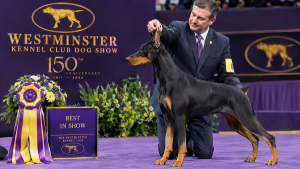
- Westminster Dog Show 2026: Winners & Full Results - October 17, 2026
- 10 K9-Approved Tricks to Teach Your Dog (Step-by-Step) - October 16, 2026
- COBA National Dog Championship 2026: Full Guide - October 15, 2026
A nice and educating piece. The handler and the Military Working Dog should be safe at all times hence, the importance of safety gears cannot be overestimated…
Thank you very much, sir, for taking the time to read and share your thoughts. I truly appreciate your insight and encouragement. Your feedback means a lot to me.🫡🫡