Proven Techniques for Training Aggressive Dogs Effectively
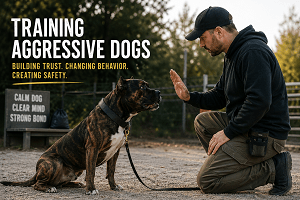
Discover science-based, force-free techniques to safely manage and train aggressive dogs. Learn how to identify triggers and build lasting trust.
Most times, a dog acts out not from being wicked, but from feeling overwhelmed. When barking turns into snarling, or playfulness shifts to charging forward, something beneath the surface drives it. Fear hides behind sharp teeth just as often as dominance does. Left alone, these behaviors grow harder to untangle. Owners feel stuck, trainers step back, yet progress still happens through steady methods. Problems like guarding space or reacting suddenly tie back to missed chances during early months. One moment of panic in puppyhood might echo for years. Solutions exist without force, built on timing, clarity, patience, quiet consistency matters more than speed. What looks like anger may simply be confusion asking for direction.
This complete guide shows the best ways, kind, proven by science, to handle and train dogs that act aggressively. You learn what truly drives their behavior instead of guessing wrong. Mistakes many make are pointed out clearly so you skip them. Safety grows between you two when trust replaces fear slowly each day.
Table of Contents
- Introduction: Understanding Training Methods for Aggressive Dogs
- Why Dogs Show Aggressive Behavior
- Types of Dog Aggression
3.1 Fear-Based Aggression
3.2 Territorial Aggression
3.3 Possessive (Resource Guarding) Aggression
3.4 Protective Aggression
3.5 Frustration-Induced Aggression
3.6 Misunderstood “Dominance” Aggression - Why Dog Become Aggressive (Triggers and Causes)
4.1 Lack of Socialization
4.2 Past Trauma or Abuse
4.3 Pain or Medical Issues
4.4 Poor Training and Inconsistent Rules
4.5 Genetics and Breed Tendencies - Important Principles Before Starting Training
5.1 Safety Comes First
5.2 Avoid Punishment-Based Methods
5.3 Consistency is Critical
5.4 Patience is Non-Negotiable - Training Approaches for Aggressive Dogs
6.1 Desensitization and Counter-Conditioning
6.2 Positive Reinforcement Training
6.3 Teaching Impulse Control
6.4 Leash Training with Controlled Exposure
6.5 Establishing Predictable Routines
6.6 Socialization (Controlled Exposure)
6.7 Redirecting Aggressive Behavior
6.8 Training Tools Used with Care
6.9 Building Trust and Relationship
6.10 When to Seek Professional Help - Common Dog Mistakes to Avoid
7.1 Punishing Growling
7.2 Flooding the Dog
7.3 Inconsistency in Training
7.4 Ignoring Early Warning Signs - Understanding Dog Body Language
- Step-by-Step Training Plan
- Real-Life Training Example
- Long-Term Management Strategies
- Severe Case Management Methods
12.1 Behavior Adjustment Training
12.2 Clicker Training
12.3 Environmental Management
12.4 Exercise and Mental Stimulation - Nutrition and Health Considerations
- Creating a Calm Home Environment
- Recommended Learning Resources
- Frequently Asked Questions
- Final Thoughts
Why Dogs Show Aggressive Behavior
What if we start by unpacking what people mean when they say “aggressive dog”? That kind of behavior isn’t broken, it’s built-in. Over time, dogs developed sharp reactions just to stay safe. Guarding space, holding onto food, keeping rank, these moments often show up as growls or snaps. Survival shaped those responses long before leashes existed.
Types of Aggression
Not every dog acts out the same way. Figuring out exactly how your dog shows aggression shapes how you guide their behavior. Then again, methods that work for snapping might fail with guarding. Each reaction points somewhere different. You watch closely, timing matters more than strength. One pup freezes first; another lunges without pause. Reading these signs shifts everything. Training leans on details like that. Surprisingly, tone can outweigh touch. What follows depends on noticing subtle differences. Clarity comes from patterns, not labels.
1. Fear-Based Aggression
Out here, fear often shows its face through growls. When a dog feels danger nearby, it might snap or bark, not to take charge, but just to push space between itself and the threat. Distance becomes the aim when tension rises.
2. Territorial Aggression
Barking often starts the moment a stranger steps near the driveway. Sometimes it’s just fear wearing a loud coat. A fence line might feel like a border worth guarding. Even a parked vehicle can turn into a zone they won’t share. Their idea of safe space doesn’t always match ours.
3. Possessive Aggression Over Resources
A growl might rise if someone nears their bowl. Sometimes it’s not about bones, could be a favorite human they won’t share. A stiff posture shows before any move. Not every wag means welcome. Guarding can flare over things that seem small. Tense muscles often speak louder than noise.
4. Protective Aggression
A growl might rise when a dog feels someone it cares about is at risk. Protection can come through bared teeth rather than words. Fierceness shows up if companions are near danger. Loyalty sometimes looks like snapping. A bark turns sharp when threats appear close by.
5. Frustration-Induced Aggression
Frustration can spark aggression in dogs when they’re held back, like on a leash or fenced in. Sometimes limits push them to react sharply. Being stuck without escape might fuel tension. Confined animals often feel trapped, then snap. Restriction, it turns out, can twist calm into charge.
6. Dominance Related Aggression Less Common Than Believed
What looks like dominance is usually tension between people. Not every clash shows who’s boss, some come from tangled group dynamics. A struggle for control might really be about uneasy connections.
Why Dog Become Aggressive
When a dog acts out, knowing the reason behind it lets you fix what’s really wrong instead of only dealing with surface behavior.
Lack of Socialization
Puppies missing out on time with folks, critters, or new places tend to act skittish later. A lack of early experiences shapes how they respond when startled.
Past Trauma or Abuse
A sudden noise might feel threatening to a dog that has lived through hard times. Some pups pull back when they see specific things, remembering past fear. A shadow on the wall could seem risky if it once meant trouble. Past hurt shapes how some dogs read the world now.
Pain or Medical Issues
Pain can make a dog snap if someone comes near. Touching it might trigger a bite. When hurting, even gentle contact turns risky. A sore animal reacts fast without warning. Getting close could mean trouble.
Poor Training and Inconsistent Rules
Mixed messages from owners leave animals unsure, sometimes tense. A signal one moment, a different one next, confusion grows quiet but deep.
Genetics and Breed Tendencies
Not every dog fits all homes, yet certain breeds show sharper alertness when sensing change around them. A few carry deeper urges to watch over spaces, reacting quickly if something feels off.
Important Ideas to Know Before Beginning Training
1. Safety Comes First
Start safe. Muzzles can help, if they’re used right after a calm introduction. Leashes matter just as much. Spaces where movement is limited often work better. Each step counts when preventing accidents.
2. Avoid Punishment-Based Methods
Punishing hard, shouting, or hitting often makes aggressive behavior stronger, particularly when fear is driving it.
3. Consistency is Critical
Puppies pick up habits when they see the same thing again, because knowing what comes next helps them catch on. A routine makes it easier to follow along.
4. Patience is Non-Negotiable
Change moves slow. Anger sticks around longer than expected.
Training Approaches for Dogs with Aggression
Now let’s dive into the most effective techniques used by professionals.
1. Desensitization and Counter-Conditioning
Among ways to handle hostility, this stands out as especially strong.
How it works:
Start slow, letting your dog notice the trigger from afar while you offer tasty bits. Little by little, they begin to link the sight with good moments. Distance fades as comfort grows through repeated pairings. Each step forward rests on what came before. Positive feelings build where tension once lived. Over time, reactions shift without force or pressure. The process moves only as fast as trust allows.
Example:
If your dog is aggressive toward strangers:
- From far enough away, begin when your dog stays relaxed.
- Reward calm behavior.
- Slowly decrease the distance over time.
Why it works:
When your dog sees something scary, its mood shifts, no longer tense, but relaxed, sometimes even eager for what comes next.
2. Positive Reinforcement Training
Praise nudges people forward better than scolding holds them back. Still, most reach higher when something feels worth chasing rather than fearing loss.
Key idea:
“What gets rewarded gets repeated.”
How to apply it:
- Right away, give a reward when the behavior stays quiet.
- Chicken works well. So does cheese. Pick these when training. They grab attention fast. Most dogs go for them without thinking twice.
- Reinforce alternative behaviors (e.g., sitting instead of lunging).
3. Teaching Impulse Control
Out of nowhere, some dogs snap because they can’t hold back. A sudden lurch forward usually means impulse took over before thought.
Exercises to try:
- “Sit and wait” before meals
- “Leave it” command
- “Stay” with distractions
These exercises help your dog think before reacting.
4. Leash Training with Controlled Exposure
When a dog’s leash is managed badly, tension tends to rise.
Tips:
- A bit of slack on the leash helps, tightness might show worry. Loose is better when walking.
- Avoid pulling or jerking.
- Walks with a clear path help sharpen attention. Sometimes stepping outside in an orderly way shapes concentration.
5. Establishing Predictable Routines
A predictable routine helps dogs relax. When things happen at expected times, tension slips away.
Daily routine should include:
- Feeding times
- Walks
- Training sessions
- Rest periods
When things stay steady, nerves settle, less tension means fewer outbursts.
6. Socialization (Done Carefully)
Just being around others does not mean you have to engage.
Correct approach:
- Controlled exposure to calm dogs or people
- Keep interactions short and positive
- Finish strong
7. Redirecting Aggressive Behavior
Turn anger into motion, not blame. Redirecting force beats crushing spirits.
Example:
If your dog reacts to another dog:
- Start by pointing suddenly toward yourself while saying those words aloud
- Give something back each time they follow through
8. Training Tools Used with Care
Used right, a few gadgets actually work.
Common tools:
- Front-clip harnesses
- Head halters
- Basket muzzles
Start with peace instead of pressure. Skip anything built on dread. Choose calm over crisis every time.
9. Building Trust and Relationships
Most times a dog acts out because it doesn’t believe you’ll keep them safe. Trust builds slowly when they’re scared.
How to build trust:
- Stay quiet like a held breath. A steady path shows where you’ve been. Smooth moves leave fewer marks behind
- Avoid forcing interactions
- Reward engagement
Trust is the foundation of all training.
10. Professional Help
Expert help becomes necessary now and then.
Seek help if:
- Your dog has bitten someone
- Aggression is escalating
- You feel unsafe
A plan built just for your pet might come from someone with certification. Trainers who’ve earned their credentials often shape programs that fit specific needs.
Common Dog Mistakes to Avoid
Punishing Growling
Barking isn’t just noise, it might be a signal something feels wrong. If you scold that reaction, the alert fades, then teeth appear without notice.
Flooding
Too much excitement might push a tense dog further into aggressive reactions.
Inconsistency
Barking at squirrels becomes a habit when nobody agrees on what counts as okay. A puppy watches faces, picks up mixed signals, then acts on confusion instead of clarity.
Ignoring Early Signs
A person might stand too still or their tongue flicks quick across lips, moments before snapping. Tension lives in those small motions.
Understanding Dog Body Language
Understanding your dog’s signals can prevent escalation.
Signs of stress or aggression:
- Stiff body
- Raised hackles
- Growling
- Avoiding eye contact
- Lip licking
Spotting these signals gives a chance to step in sooner.
Step-by-Step Training Plan
A solid way to start? Try this basic setup
Notice what sets things off
Create Distance From Triggers
Introduce Positive Reinforcement
Gradually Decrease Distance
Step 5 Reinforce Calm Behavior
Repeat every day
Real-Life Example
A sudden jerk forward, mid-stride, when another dog appears. The leash tightens, body stiffens, focus locked ahead. Not every walk stays calm. Moments shift without warning. One second quiet, next, a burst of motion aimed toward another animal nearby. Reactions like these happen fast. No pause, just instinct pulling hard against restraint.
Week 1–2:
Back away when dogs come near. A quiet moment earns a treat.
Week 3–4:
Move a little closer. Keep giving rewards.
Week 5+:
Practice controlled encounters.
Later on, the dog begins to see fellow canines without fear. Sometimes, it even relaxes when they come near. Slowly, those once scary figures become just part of the scene. Eventually, tension fades each time one shows up nearby.
Long-Term Management
Still, once things get better, staying on top matters most.
- Avoid high-risk situations
- Continue training
- Maintain routines
Stillness might never win every battle, yet moments of calm can grow stronger over time.
Dog Aggression Without Cure
Most dogs carry certain reactions throughout life. What matters most is staying safe, keeping calm. Not aiming for flawless behavior helps reach better outcomes.
Success means:
- Reduced intensity
- Faster recovery
- Better handler control
Severe Case Methods
Behavior Adjustment Training
Choices get easier when dogs figure things out on their own.
Clicker Training
Precise marking of good behavior.
Environmental Management
Adjust surroundings to reduce triggers.
Exercise and mental stimulation
Rest makes tails stop wagging so fast. Quiet paws come after long walks. Sleep changes grumpy barks into soft sighs. Energy fades, eyes droop, peace follows. A worn-out pup settles without fuss.
Activities:
- Long walks
- Puzzle toys
- Training games
Frustration fades when the mind stays busy.
Nutrition and Health Considerations
What you eat might shape how you act, especially when health problems are part of the picture.
- Ensure balanced nutrition
- Regular vet check-ups
- Address pain or discomfort
Creating Quiet at Home
Fur flies when you’re wound tight. A pup picks up what you put out. Stillness spreads just as fast.
- Stay calm
- Avoid chaos
- Create safe spaces
Internal Learning Resources (Recommended Reading)
To deepen your understanding of structured training systems and working dog behavior, these resources are highly relevant:
- Military working dog training systems and discipline structures:
How Are Military Working Dogs Trained? - Understanding working dog behavior and classifications:
What Does It Mean If a Dog Is a Working Dog? A Complete Guide to K9 Careers - Behavioral foundation in discipline vs dominance:
Dominance vs. Discipline: What K9 Trainers Know That Pet Owners Don’t
These articles provide deeper insight into professional K9 handling philosophy and structure.
Recommended Professional Training Resource (E-Book)
For handlers who want a structured, real-world training blueprint, the eBook below provides advanced handler psychology, obedience systems, and dog development frameworks:
👉 “Beyond the Bark: Inside a Pro Handler’s Playbook for Raising the Ideal Dog”
This resource is especially useful for:
- Dog trainers
- Security handlers
- Kennel operators
- Serious dog owners dealing with behavior issues
It expands on real handler strategies used in structured working-dog environments.
Frequently Asked Questions
Can aggressive dogs be completely cured?
Not always, but they can be significantly improved and managed.
How long does training take?
It varies, weeks to months depending on severity and consistency.
Is medication ever needed?
In severe anxiety cases, a vet may recommend it.
Final Thoughts
Start by seeing things from the dog’s point of view, emotions drive actions more than defiance does. Instead of forcing obedience, focus on shaping calm reactions through steady repetition. One step at a time, new habits replace old triggers when safety feels real to the animal. Over time, quiet moments add up, forming confidence where fear once lived. Progress shows not in perfection but in small shifts, a relaxed posture, delayed reaction, softer gaze. With clear signals and predictable routines, respect grows without force ever being applied.
Starting fresh often helps, especially when old methods failed. Though progress might crawl at times, a steady hand brings change, noticeable shifts in behavior, fewer outbursts, real trust building slowly. Each small win adds up, revealing what was possible all along.
Every step forward begins with showing up, again and again. When you care deeply, effort finds its rhythm. Progress arrives not by force, but through steady motion. What matters most shows up when challenges stay present. Moving ahead grows naturally from staying engaged.

Her work centres on obedience, detection, protection and operational readiness. She favours proven methods built on repetition, consistency and real-world conditioning, so that both dogs and handlers are prepared for high-pressure tasks.
Rofiat represented the Nigerian Army Dog Centre at the Nigerian Army Day Celebration (NADCEL) 2026, where she led demonstrations in obedience, explosive detection, agility and tactical movement. Through articles, training content and documentaries, she shares field-based insight into how structured training, clear communication and trust between handler and dog affect performance and reliability.
She is the author of Beyond the Bark: Inside a Pro Handler's Playbook for Raising the Ideal Dog, a practical guide that helps dog owners and handlers apply professional training principles in everyday situations.
- Bousnic Dog Training Collar Review: Is It Safe? - September 30, 2026
- Gravy Train Dog Food Review: Ingredients & Recalls - September 30, 2026
- How to Spot Fake AKC Registered Dogs: 5 Warning Signs - September 29, 2026