How Much Does a Dog Really Cost in Nigeria? (2026)
Owning a dog in Nigeria typically costs ₦150,000 to ₦600,000+ in the first year (puppy purchase, vaccinations, and setup gear included), then ₦60,000 to ₦230,000 every month after that for food, routine vet care, and grooming, with large security breeds like Boerboels and Rottweilers sitting at the top of that range, and local Nigerian dogs at the bottom. Exchange rate swings, import costs, and vet inflation mean these numbers move every few months, so treat them as a starting budget, not a fixed price tag.
Table of Contents
- Why This Guide Is Different
- Upfront Cost: Buying or Adopting Your Dog
- Setup Costs Before Your Dog Comes Home
- Monthly Cost of Owning a Dog in Nigeria
- Vaccination & Veterinary Costs
- Training Costs
- Hidden Costs Most People Forget
- Cost by Breed Category
- Sample First-Year Budget
- How to Cut Costs Without Cutting Corners
- A Trainer’s Take
- FAQs
- Conclusion
Introduction
Ask ten dog owners in Lagos, Abuja, or Port Harcourt what their dog costs them monthly, and you’ll get ten wildly different answers. Some will tell you ₦20,000. Others will admit it’s closer to ₦150,000. Neither of them is lying, they’re just talking about completely different dogs, completely different feeding habits, and completely different vet clinics.
That’s the problem with most “cost of owning a dog” articles floating around online right now. They either quote US dollar figures that mean nothing to a Nigerian budget, or they throw out one random Naira number without breaking down where it actually comes from. So you end up guessing, and guessing is exactly how new owners end up surprised by a ₦45,000 vet bill three months in.
I’ve spent over 14 years handling and training working dogs, and I’ve fielded this exact question more times than I can count from families deciding whether a dog fits their budget. In this guide, you’ll get a full breakdown: what you’ll pay to bring a dog home, what it costs every single month, the costs nobody warns you about, and how the numbers shift depending on whether you’re raising a local Nigerian dog or a full-size Boerboel. By the end, you’ll be able to build your own realistic number instead of borrowing someone else’s.
Why Naira Figures Matter More Than Dollar Averages
Most dog-cost calculators online are built around US or UK pricing, $60 vet visits, $40 bags of kibble. None of that transfers directly to Lagos or Kano. Here in Nigeria, three things swing your costs more than anywhere else:
- The exchange rate. Premium imported dog food and vaccines are priced in dollars behind the scenes, even when you pay in Naira. When the rate moves, so does the shelf price, sometimes within the same month.
- Import dependency. A large share of quality kibble, dewormers, and vaccines sold in Nigeria is imported. Locally produced alternatives exist and are cheaper, but quality varies more than most first-time owners expect.
- Location. Vet and grooming pricing in Lagos and Abuja runs noticeably higher than in Ibadan, Enugu, or smaller towns, purely because of overhead and demand.
Keep those three factors in mind as you read the numbers below, they’re the reason a “monthly cost” answer always comes with a range instead of one clean figure.
Upfront Cost: Buying or Adopting Your Dog
This is where the biggest swings happen, and where most new owners underestimate the gap between breeds.
| Breed Category | Typical Puppy Price (Naira) |
|---|---|
| Local Nigerian dog (indigenous/mixed breed) | ₦2,000 – ₦100,000 |
| German Shepherd | ₦150,000 – ₦1,000,000 |
| Boerboel | ₦150,000 – ₦1,400,000 |
| Rottweiler | ₦200,000 – ₦1,200,000 |
| Caucasian Shepherd | ₦80,000 – ₦300,000 |
| Cane Corso | ₦200,000 – ₦550,000 |
| Lhasa Apso / small companion breeds | ₦80,000 – ₦600,000 |
| Rare imported breeds (e.g. French Bulldog, Tibetan Mastiff) | ₦300,000 – ₦1,500,000+ |
A few things drive that spread. Age matters, an 8-week-old puppy from an unverified backyard breeder can go for a fraction of what a vaccinated, dewormed puppy with papers from an established breeder costs. Lineage and imported bloodlines push prices up fast, especially for security breeds bought specifically for guard work. And scarcity plays a bigger role in Nigeria than most buyers realize: a breed that’s genuinely rare here (Tibetan Mastiff, certain toy breeds) will always cost more than the same breed does in a country where it’s common, purely because so few breeders import or maintain it.
My honest take: if your budget is under ₦100,000, a local Nigerian dog is not a downgrade, it’s often the smarter buy. They’re naturally adapted to our heat and humidity, need fewer vet visits over their lifetime, and can still be trained into excellent guard or companion dogs with the right handling. I’ve trained several that outperformed imported breeds costing ten times as much, simply because they were better matched to the climate and the owner’s routine.
If you’d rather adopt than buy, reach out to rescue groups in your state before defaulting to a breeder, adoption fees in Nigeria are usually far lower and often include the first round of vaccinations.
Setup Costs Before Your Dog Comes Home
Before your dog’s first night, budget for the basics. These are mostly one-time costs, though a few (bedding, waste bags) repeat every few months.
- Crate or kennel: ₦25,000 – ₦120,000 depending on size
- Food and water bowls: ₦3,000 – ₦15,000
- Collar, leash, and ID tag: ₦5,000 – ₦25,000
- Bed or mat: ₦8,000 – ₦40,000
- Initial toys and chews: ₦5,000 – ₦20,000
- Grooming starter kit (brush, nail clipper, shampoo): ₦8,000 – ₦30,000
Realistically, plan for ₦55,000 – ₦250,000 in one-time setup costs, with the wide range coming down to whether you buy budget-friendly local products or premium imported gear. If you’re outfitting a working or security-focused dog, a step-by-step grooming routine guide is worth reading before you buy anything, it’ll save you from over-purchasing tools you don’t actually need in the first few months.
Monthly Cost of Owning a Dog in Nigeria
This is the number that actually determines whether a dog fits your budget long-term, the upfront price is a one-time hit, but the monthly bill never stops.
| Expense | Small/Local Dog | Medium Breed | Large Security Breed |
|---|---|---|---|
| Feeding | ₦15,000 – ₦40,000 | ₦30,000 – ₦80,000 | ₦50,000 – ₦160,000 |
| Routine vet care | ₦5,000 – ₦15,000 | ₦10,000 – ₦25,000 | ₦15,000 – ₦40,000 |
| Grooming | ₦5,000 – ₦15,000 | ₦8,000 – ₦20,000 | ₦10,000 – ₦30,000 |
| Flea/tick prevention | ₦3,000 – ₦8,000 | ₦5,000 – ₦12,000 | ₦8,000 – ₦18,000 |
| Estimated Monthly Total | ₦28,000 – ₦78,000 | ₦53,000 – ₦137,000 | ₦83,000 – ₦248,000 |
Feeding is almost always the largest recurring line item, and this is where the “imported vs. local” decision hits your wallet hardest. A 15kg bag of a quality imported kibble brand currently runs somewhere between ₦65,000 and ₦90,000, while a 1kg pack of premium wet or specialty food can cost ₦7,000 to ₦15,000 on its own. Locally produced dog food brands run considerably cheaper, but you’ll want to check protein content and ingredient sourcing before committing a large dog to one exclusively, I’ve seen dogs on cheap, low-protein diets develop coat and energy problems that ended up costing more in vet visits than the food ever saved.
If you’re trying to figure out exactly how much to portion per meal instead of guessing, the puppy feeding schedule breakdown walks through age-based portioning that applies to most medium and large breeds, not just Goldendoodles.
Vaccination & Veterinary Costs
Vaccination is non-negotiable, and it’s also one of the more predictable costs on this list, which makes it a good place to plan ahead rather than get surprised.
Standard puppy vaccination schedule and cost:
- DHLPP (1st dose), 6–8 weeks: ₦10,000 – ₦30,000
- DHLPP (2nd dose), 10–12 weeks: ₦10,000 – ₦30,000
- Rabies, 12–16 weeks: ₦10,000 – ₦20,000
- DHLPP final booster, 14–16 weeks: ₦10,000 – ₦30,000
Full puppy vaccination course total: ₦40,000 – ₦100,000, with annual booster shots afterward running ₦20,000 – ₦50,000 per year. On top of that, budget for deworming (roughly every 3 months for puppies, then twice yearly for adults) and an annual wellness check even when your dog seems perfectly healthy, catching a problem early is almost always cheaper than treating it late.
I get asked constantly whether these vaccines are actually necessary in Nigeria’s climate, or whether they’re a Western import owners get pressured into. They’re necessary. Rabies remains a real risk here, and parvovirus in particular spreads fast and kills fast in unvaccinated puppies, I’ve watched families lose a puppy to it within 48 hours of the first symptom. Skipping the ₦100,000 puppy series to save money is one of the most expensive mistakes a new owner can make, because emergency treatment for a dog that’s already sick costs several times more than prevention ever would.
For the exact age-by-age schedule and which shots are core versus optional, this puppy vaccine schedule guide breaks it down further. And if your puppy ever shows vomiting, diarrhea, or lethargy between scheduled visits, don’t wait for the next appointment, this vomiting and diarrhea guide tells you exactly which symptoms mean “call the vet now” versus “monitor at home.”
Training Costs
Training is the cost category new owners skip most often and regret skipping most often. A dog that isn’t trained doesn’t just behave badly; it becomes a liability, a flight risk, or in the case of security breeds, genuinely dangerous around visitors and children.
Group obedience classes in major Nigerian cities typically run a few thousand Naira per session, while private one-on-one sessions with an experienced trainer cost considerably more per hour. Board-and-train programs, where your dog stays with a trainer for structured, intensive work, sit at the top end of the range and are usually reserved for security or working breeds that need consistent, high-repetition handling.
If you’re in Lagos and weighing your options, I put together a full breakdown of what to look for in a dog trainer here, including realistic pricing so you’re not blindsided by quotes that vary 5x between trainers offering the same service.
Hidden Costs Most People Forget
These are the line items that almost never show up in a “cost of owning a dog” calculator, but they add up fast:
- Emergency vet visits. A single emergency consultation plus treatment can run ₦30,000 to ₦150,000+ depending on severity, snake bites, road accidents, and heatstroke are the most common emergencies I see in working and family dogs here.
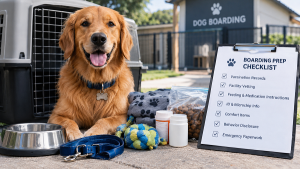
- Boarding when you travel. Expect ₦5,000 to ₦15,000 per night at a reputable kennel, more if your dog needs special handling.
- Property damage during the teething and adolescent stages. Chewed furniture, dug-up gardens, and destroyed shoes are almost guaranteed with an untrained puppy under a year old.
- Generator/power costs for cooling. Large, heavy-coated breeds (German Shepherds, Huskies, Caucasian Shepherds) struggle in Nigerian heat without consistent fan or AC access, which quietly adds to your electricity bill.
- Spaying/neutering. Often skipped entirely by Nigerian owners, but it prevents costly complications later and is worth budgeting for once, early on.
- Replacement gear. Leashes fray, crates crack, and collars get outgrown, budget a small annual “replacement fund” rather than treating setup costs as one-time.
Cost by Breed Category
Not all dogs cost the same to keep, even when they’re the same size on paper. A few patterns worth knowing before you choose a breed:
- Local Nigerian dogs are consistently the most budget-friendly across every category, purchase price, food volume, and vet visits. Their natural heat tolerance also means lower cooling and grooming costs.
- Low-maintenance breeds cut your grooming line item significantly. If minimizing ongoing costs is a priority, this guide to low-maintenance breeds is worth reading before you commit to a specific breed.
- Large security breeds (Boerboel, Rottweiler, Caucasian Shepherd, Cane Corso) cost more across the board, more food, more vet medication by body weight, and often more specialized training. If you’re weighing a guard breed specifically, this protection breed comparison covers the practical differences that affect long-term cost, not just looks.
- Imported or rare breeds carry ongoing costs beyond the purchase price too, imported food formulations, harder-to-source medication, and fewer local vets experienced with breed-specific health issues.
Sample First-Year Budget: A Medium-Sized Guard Dog
To make this concrete, here’s a realistic first-year budget for a medium-to-large security-breed puppy (think Cane Corso or German Shepherd) bought from a reputable local breeder:
| Category | Estimated Cost |
|---|---|
| Puppy purchase | ₦250,000 |
| Setup gear (crate, bowls, bed, leash) | ₦100,000 |
| Full vaccination course | ₦70,000 |
| Monthly costs × 12 (feeding, grooming, prevention) | ₦960,000 |
| Basic obedience training | ₦80,000 |
| One emergency vet visit (average case) | ₦60,000 |
| Estimated Year 1 Total | ≈ ₦1,520,000 |
That’s roughly ₦127,000 per month averaged across the year, front-loaded by the purchase and setup costs, then settling into a steadier monthly rhythm from month two onward. A local Nigerian dog raised the same way, by comparison, can realistically come in under ₦500,000 for the entire first year.
How to Cut Costs Without Cutting Corners
None of this means dog ownership has to be expensive. A few habits genuinely move the needle:
- Buy food in bulk. Larger bags cost less per kilo than repeatedly buying small packs, and they reduce the number of “emergency top-up” purchases at inflated prices.
- Find a trusted local vet before you need one. Shopping around for prices during an actual emergency almost always costs more than building a relationship with one clinic in advance.
- Don’t skip preventive care to save short-term. Flea/tick prevention and vaccines are cheap compared to treating the diseases they prevent.
- Invest in training early. A well-trained dog causes less property damage, needs fewer emergency vet visits from preventable accidents, and rarely needs expensive behavior rehabilitation later.
- Match the breed to your budget and climate from day one. This is the single biggest cost-control decision you’ll make, and it happens before you’ve spent a single Naira.
If you want the deeper playbook, the exact structure professional handlers use to raise a dog that’s obedient, healthy, and genuinely low-drama to keep, I put everything I’ve learned over 14 years of handling into an ebook, Beyond the Bark: Inside a Pro Handler’s Playbook for Raising the Ideal Dog. It’s built to help owners avoid the expensive trial-and-error most of us went through the hard way.
A Trainer’s Take
I’m Rofiat Muritala, and I’ve spent over 14 years as a military K9 handler and certified trainer, working hands-on with security and family dogs across Nigeria. Every figure in this guide is pulled from real-world pricing I’ve seen quoted to owners and clients I’ve worked with directly, cross-checked against current market listings, not copied from a generic global average that assumes you’re shopping in dollars.
The one thing I’d want every new owner to walk away with: the sticker price of the puppy is almost never the real number. The dogs that end up costing families the most aren’t the expensive breeds, they’re the untrained, unvaccinated, poorly matched ones that rack up emergency vet bills and behavior problems nobody budgeted for. Spend a little more upfront on vaccination and training, and you’ll spend a lot less over the life of the dog.
Frequently Asked Questions
1. What is the cheapest way to own a dog in Nigeria?
A local Nigerian (indigenous) dog is the most budget-friendly option across every cost category, purchase price, feeding, and vet visits, largely because they’re naturally adapted to the climate and generally hardier than imported breeds.
2. How much does it cost to vaccinate a dog in Nigeria?
A full puppy vaccination course typically costs ₦40,000 to ₦100,000, with annual booster shots afterward running ₦20,000 to ₦50,000 per year.
3. Is owning a dog expensive in Nigeria?
It can be, especially for large security breeds, but total cost varies enormously by breed choice. A local dog can cost under ₦500,000 in its first year, while a large imported guard breed can exceed ₦1,500,000 once purchase, setup, vaccination, and a year of feeding are combined.
4. What is the biggest ongoing cost of owning a dog in Nigeria?
Feeding is almost always the largest recurring expense, particularly if you choose imported premium kibble over locally produced alternatives.
5. Do I need pet insurance for my dog in Nigeria?
Pet insurance is not yet widely available in Nigeria, which is why most owners build an informal “emergency fund” instead, setting aside a small amount monthly to cover the occasional unplanned vet visit.
Conclusion
The honest answer to “how much does a dog cost in Nigeria” is: it depends almost entirely on the breed you choose and the decisions you make in the first few months. Budget realistically for the puppy, the full vaccination course, and at least three months of feeding and vet costs before you bring a dog home, not just the purchase price. Whether you choose a local Nigerian dog for under ₦500,000 a year or a large security breed closer to ₦1.5 million, the owners who avoid the nastiest financial surprises are the ones who vaccinate on schedule, train early, and match the breed to their actual budget and climate from day one.

Her work centres on obedience, detection, protection and operational readiness. She favours proven methods built on repetition, consistency and real-world conditioning, so that both dogs and handlers are prepared for high-pressure tasks.
Rofiat represented the Nigerian Army Dog Centre at the Nigerian Army Day Celebration (NADCEL) 2026, where she led demonstrations in obedience, explosive detection, agility and tactical movement. Through articles, training content and documentaries, she shares field-based insight into how structured training, clear communication and trust between handler and dog affect performance and reliability.
She is the author of Beyond the Bark: Inside a Pro Handler's Playbook for Raising the Ideal Dog, a practical guide that helps dog owners and handlers apply professional training principles in everyday situations.
- 10 Red Flags to Avoid When Hiring Local Dog Groomers - October 24, 2026
- Can You Handle a Cane Corso Puppy? 7 Hard Truths - October 23, 2026
- How to Train a Stubborn Pug: A K9 Trainer’s Real Guide - October 22, 2026