How to Tell If a Dog Is Scared: 10 Body Language Signs
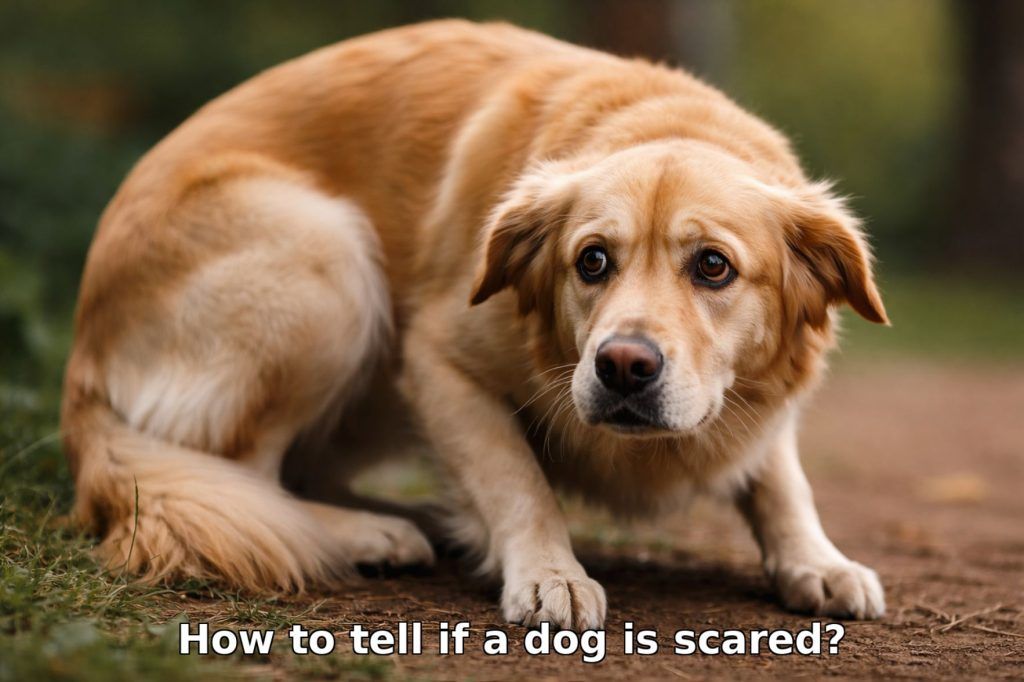
A scared dog usually makes itself look smaller and tries to get away from the thing that worries it. Look for a tucked tail, a lowered body, ears pinned back, whale eye (you can see the whites of the eyes), lip licking, trembling, or hiding. The best clue is a cluster of two or three signs at the same time, plus the situation your dog is in.
Table of Contents
- Introduction: Why Reading Fear Early Matters
- The 0–5 Fear Scale (Mild Worry to Panic)
- The 10 Body Language Signs of a Scared Dog
- Scared vs. Excited vs. Relaxed: Quick Comparison
- Breed and Body-Shape Differences That Fool People
- Is It Fear, Pain, or Something Else?
- Puppy Fear Periods: Why Is My Dog Scared All of a Sudden?
- What to Do in the First 5 Minutes
- Mistakes That Make Fear Worse
- Long-Term Fix: Building a Braver Dog
- When to Call a Vet or Behaviorist
- Why Trust This Guide (Handler Experience)
- FAQs
- Conclusion
- Sources
Introduction: Why Reading Fear Early Matters
Here’s the thing most owners learn too late: dogs almost never bite “out of nowhere.”
They warn you first. They look away. They lick their lips. They freeze. Then, if nobody listens, they growl or snap. By the time you see teeth, your dog has usually tried to say “I’m uncomfortable” five or six times.
Learning how to tell if a dog is scared gives you a head start. You can step in early, protect your dog, and protect people around you.
Fear is also very common. A large Finnish study of about 13,700 pet dogs found that 72.5% showed problematic behaviours such as aggression or fearfulness, and 32% were afraid of at least one noise. So if your dog gets scared, you’re far from alone.
In this guide, you’ll learn:
- The 10 clearest body language signs of fear
- A simple 0–5 scale to judge how scared your dog really is
- How to avoid common mix-ups (like tail wags and ear position)
- What to do in the first five minutes
- How to build confidence over the long run
I’ve written this for both everyday dog owners and working-dog handlers. If you can follow it, you can use it.
The 0–5 Fear Scale (Mild Worry to Panic)
Most articles give you a list of signs and stop there. But a dog who’s lip-licking at the vet is in a very different place from a dog who’s trembling and trying to bolt.
Vets and shelters use a tool called the Fear, Anxiety and Stress (FAS) scale from Fear Free. I’ve simplified it below so you can use it at home. The real scale describes level 1 as mild signs like lip licking, avoiding eye contact, or turning the head away, level 2 as signs like ears slightly back, tail down, furrowed brow, or slow movement, and level 4 as severe signs like freezing, escape attempts, dilated pupils, heavy panting, trembling and a tense closed mouth. Level 5 adds aggression.
| Level | What you see | What to do |
|---|---|---|
| 0 – Relaxed | Loose body, soft eyes, easy wag, takes treats happily | Nothing. This is your baseline. |
| 1 – Mild | Lip licking, looking away, a quick yawn | Pause. Give a little space. |
| 2 – Uneasy | Ears back, tail low, slow movement, tighter mouth | Reduce the trigger. Add distance. |
| 3 – Worried | Several signs at once, refuses treats briefly | Leave the situation calmly. |
| 4 – Scared | Freezing, trembling, hard panting, trying to flee | Remove the trigger now. No more exposure today. |
| 5 – Panic / defensive | Growling, lunging, snapping | Stop. Give space. Stay safe. Call a pro. |
My rule of thumb: act at level 1 or 2. Most owners wait until level 4 or 5, and that’s when things go wrong.
The 10 Body Language Signs of a Scared Dog
Remember: never judge one sign alone. Read the whole dog, the whole scene.
1. A Tucked or Low Tail
A tail pulled down low or tucked between the back legs is one of the clearest fear signals. The tail tucks to protect the body and to say “I’m no threat.”
Watch out for the “fearful wag.” A tail can wag while the dog is scared. If the wag is low, stiff, or very small, it isn’t a happy wag. A happy dog’s whole back end usually wiggles.
2. A Lowered, Crouched Body
Scared dogs try to shrink. You may see:
- A crouched or cowering stance
- Weight shifted back onto the hind legs
- Shoulders pulled down
- Moving slowly, like walking through mud
Some dogs also lean away from the scary thing while still stretching their neck forward to sniff. That mixed posture means “I’m curious but I don’t trust you.” Don’t push it.
3. Ears Pinned Back or Flat
Ears pulled flat against the head often point to fear or stress. But here’s where people slip up: ears alone are unreliable. A dog can pin its ears back during happy greetings, too.
Ask yourself: are the ears back and is the body low, the eyes wide, the mouth tight? If yes, it’s fear. If the body is loose and wiggly, it’s probably excitement.
4. Whale Eye and Wide Eyes
“Whale eye” happens when your dog turns its head away but keeps its eyes locked on something, so you see the white crescent of the eye. It’s a classic stress signal. Chewy’s behavior guide says seeing the whites of the eyes usually means a dog is scared or stressed, while soft eyes mean comfort and relaxation.
Also check the pupils. Big, dark, dilated pupils in normal light mean the body is on high alert.
5. Lip Licking, Yawning, and a Tight Mouth
These are called calming signals or displacement behaviors. Your dog is trying to cool the tension.
Look for:
- Licking lips or nose when there’s no food around
- Repeated yawning when the dog isn’t tired
- A tight, closed mouth (relaxed dogs have a soft, slightly open mouth)
- Sniffing the ground suddenly during a tense moment
- Scratching or shaking off for no reason
One lick is nothing. Five licks while a stranger leans over your dog? That’s a message.
6. Panting When It’s Not Hot
Dogs pant to cool down. But if your dog pants in a cool room, in the car, or at the vet, it’s stress. Look for panting with a tight, pulled-back mouth, drooling, or pacing.
7. Trembling or Shaking
Fear releases adrenaline, and adrenaline makes muscles shake. Trembling is common at the vet, during fireworks, or around strange dogs.
Also watch for the “shake-off.” Dogs shake like they’re wet, even when they’re dry. After a tense moment, it’s how they reset.
Trembling can also come from pain, cold, or illness. If your dog shakes with no trigger, see your vet.
8. Freezing in Place
Many people think scared dogs run. But the freeze is just as common. Your dog goes still, stiff, and silent. The stare may be hard, and the mouth shuts.
Do not ignore a freeze. It’s the moment right before the dog picks between flight and fight. A frozen dog is not calm. It’s holding its breath.
9. Hiding, Avoiding, and Turning Away
Scared dogs try to put distance between themselves and the problem. You may see them:
- Hide under a bed or behind your legs
- Turn their head or body away
- Back up slowly
- Refuse to walk forward on a leash
- Try to bolt
Honor that. A dog that hides is using the best coping skill it has.
10. Growling, Snapping, and Other “Last Resort” Signals
When quiet signals get ignored, dogs turn up the volume. Warning signs include raised hackles (the fur along the back), a stiff body, bared teeth, growling, and snapping.
This is fear aggression, and it’s defense, not “dominance.” Dogs Trust warns that if you ignore or discourage a dog’s subtle signs, you can teach the dog there’s no point in showing them, because it doesn’t work.
That’s why punishing a growl is a terrible idea. You don’t remove the fear. You just remove the warning.
Bonus Sign: Submissive Urination
Some dogs, mostly puppies, leak urine when scared or overwhelmed, especially when someone leans over them or speaks loudly. It isn’t a housetraining failure. Never scold it.
Scared vs. Excited vs. Relaxed: Quick Comparison
This is the section most competitors skip. A lot of “scared dog” mistakes come from mixing up high excitement and fear.
| Body part | Relaxed | Excited (happy) | Scared |
|---|---|---|---|
| Tail | Neutral, loose | High, wide, wiggly | Low or tucked, stiff or tiny wag |
| Body | Soft, loose | Bouncy, wiggly | Stiff, low, or frozen |
| Ears | Natural position | Forward or relaxed | Flat or pinned back |
| Eyes | Soft, normal blinks | Bright, sparkly | Wide, whale eye, hard stare |
| Mouth | Slightly open | Open, loose tongue | Closed and tight, or panting hard |
| Movement | Smooth | Zoomies, play bows | Slow, creeping, or frozen |
| Treats | Takes them gently | Grabs them fast | Refuses or snatches |
The Treat Test (A Handler Trick)
Here’s a quick check I use. Offer a treat your dog loves.
- Takes it happily? Probably fine.
- Refuses it? Stress is high. Their body has shut down hunger.
- Snatches it hard? Likely stressed too.
A dog who refuses a favorite food is often at level 3 or higher on the scale above.
Breed and Body-Shape Differences That Fool People
This is another gap in most top-ranking articles. Not every dog is built to show fear the same way.
- Curly-tailed breeds (Pugs, Akitas, Huskies) can’t tuck as obviously. Check the tail base and body tension instead.
- Docked tails or cropped ears hide key signals. For these dogs, watch the eyes, mouth, and body.
- Short-nosed dogs (Bulldogs, Frenchies) pant a lot anyway. Judge panting alongside other signs.
- Dark-faced or heavy-coated dogs (like a black Labrador or a Newfoundland) can hide a furrowed brow or whale eye. Study their posture.
- Drop-eared dogs (Labs, Beagles) show ear changes in smaller ways. Look at the ear base.
- Herding and guardian breeds often go quiet and stiff when scared. People mistake it for “calm” or “stubborn.”
Breed matters genetically too. In the Finnish study, Lagotto Romano, Wheaten Terrier, and mixed breeds were the most noise sensitive, while Spanish Water Dogs, Shetland Dogs, and mixed breeds were the most fearful. Female dogs were more often fearful than males in that sample.
Your best tool is your own dog’s baseline. Spend a week watching your dog in relaxed moments: how the ears sit, how the tail rests, how the mouth looks. Then you’ll spot changes fast.
Is It Fear, Pain, or Something Else?
Sometimes the “scared” dog is a hurting dog. Pain can cause hiding, trembling, panting, flinching, and snapping.
Call your vet if:
- Your dog suddenly becomes fearful with no clear trigger
- Fear appears along with limping, not eating, or flinching when touched
- An older dog develops new fears (hearing loss, vision loss, or cognitive decline can all cause this)
Dogs Trust recommends that if your dog shows signs of fear, you should speak to your vet to check for underlying health problems. Always rule out the body before you work on the mind.
Fear can also look like anxiety (worry about something that might happen) or frustration (the dog wants something and can’t have it). The responses are similar: reduce pressure first, then work on the cause.
Puppy Fear Periods: Why Is My Dog Scared All of a Sudden?
If a bold, happy young dog suddenly acts nervous, you may be in a fear period. These are normal growth stages.
- First fear period: about 8–11 weeks. It often starts right after you bring your puppy home.
- Second fear period: about 6–14 months, during adolescence. Small breeds tend to hit it earlier than large and giant breeds, and a 6–14-month-old may look like an adult but still struggle.
Each phase usually lasts a few weeks. During a fear period:
- Keep experiences gentle and short
- Don’t force meetings with people or dogs
- Let your puppy watch from a distance
- Reward calm curiosity
- Skip big, scary firsts (like a crowded market)
I’ve seen owners label an adolescent as “aggressive” or “bad” when the dog was truly terrified. It’s a phase, and your calm handling now shapes how your dog sees the world later.
What to Do in the First 5 Minutes
You’ve spotted the signs. Now what? Follow these steps in order.
- Stop and breathe. Your dog reads your tension. Keep your voice soft and your movements slow.
- Add distance. Walk away from the trigger. Distance is the cheapest, fastest fear-reducer there is.
- Block the view. Step between your dog and the trigger, or turn them away so they can’t stare at it.
- Offer a way out. Open a door, give them a path to a quiet room, or let them hide.
- Let your dog choose contact. Calm, gentle touch can help some dogs. Never grab, hug, or pull a scared dog toward you.
- Use food only if they’ll take it. Treats work only at low fear levels.
- Give recovery time. After a scare, a dog’s body can take 20+ minutes to settle. Don’t push straight into the next activity.
If the dog isn’t yours: don’t stare, don’t lean over, don’t reach out. Turn your side to the dog, give space, and let them leave.
Mistakes That Make Fear Worse
I see these again and again, even among experienced owners.
- Punishing the growl. It removes the warning, not the fear.
- “Flooding.” Forcing a scared dog to face the trigger (“he has to get used to it”) can deepen fear. Fear Free’s vet team explains that fear affects learned behavior and can undermine training in even the best-trained dogs, and dogs can’t “think” their way out of a fear response.
- Forcing greetings. Letting strangers pet a shy dog “to socialize” it is one of the fastest ways to teach a dog that people are risky.
- Laughing it off. Videos of “funny” scared dogs teach us to ignore signals.
- Skipping the vet check when fear appears suddenly.
- Using shock or prong tools on fearful dogs. They add pain to fear.
Long-Term Fix: Building a Braver Dog
Short-term calming helps. But real progress comes from changing how your dog feels about the trigger. Behaviorists use two methods together.
Desensitization
Expose your dog to the trigger at such a low level that they stay calm (level 0–1). Slowly increase it over time. Examples:
- Fireworks or thunder: Play a quiet recording at low volume while you feed treats. Raise the volume very slowly over many sessions.
- Strangers: Practice at a distance where your dog can still eat and relax. Close the gap by small steps.
- Vet clinic: Do “happy visits.” Pop in, eat a treat, and leave with no exam.
Counter-Conditioning
Pair the trigger with something great (chicken, cheese, play). The goal is for the trigger to predict good things.
Realistic timeline: Expect weeks to months, not days. Progress isn’t a straight line. If your dog drops back to level 3 or 4, you went too fast. Back up and shorten the session.
Build Confidence Daily
- Give your dog a safe place, such as a quiet crate or mat. My crate training guide, How to Crate Train a Puppy: K9 Trainer Tips for Faster Results, shows how to make it a refuge rather than a punishment.
- Keep routines steady.
- Add easy “wins”: scent games, simple tricks, short walks.
- Make sure your dog gets enough exercise. One Finnish study of 3,264 dogs found that dogs with noise sensitivity and separation anxiety tended to get less daily exercise.
How Working Dogs Do It
Police and military dogs aren’t born fearless. They’re taught to stay steady around gunfire, crowds, and chaos through slow, structured exposure paired with reward. If you’re curious, read How Military Dogs Are Trained for High-Risk Operations. The same ladder applies to your pet dog, just at a gentler pace.
And if you want to make a better first impression on a nervous dog, my post on how to make a dog like you at the first meeting walks through the exact body language to use.
When to Call a Vet or Behaviorist
Get help if your dog:
- Seems scared most of the day
- Bites or snaps, or growls often
- Won’t eat, drink, or go outside
- Hurts themselves trying to escape (broken nails, chewed crates, broken teeth)
- Shows sudden new fears
- Has fear that isn’t improving after 4–6 weeks of careful work
Start with your vet to rule out pain or illness. Then look for a certified behavior consultant or veterinary behaviorist who uses reward-based methods. Medication can help severely fearful dogs, but only a vet can decide that.
Why Trust This Guide (Handler Experience)
This article comes from ARFS K9 Team, where our handler Cpl. Rofiat Muritala brings over 14 years of experience as a Nigerian Army military working dog instructor and handler at the Nigerian Army Dog Centre. Her work covers dog selection, foundation training, behavior shaping, and performance checks in real operational settings. She’s also the author of Beyond the Bark: Inside a Pro Handler’s Playbook for Raising the Ideal Dog.
For working dogs, reading fear isn’t optional. A handler who misses a stress signal risks a failed search, a bite, or an injured dog.
The studies and organizations I cite (Fear Free, Dogs Trust, the University of Helsinki research team, AKC) are listed at the end. If you ever doubt a symptom, see a licensed vet.
Want to go deeper? My ebook, Beyond the Bark, shows how to apply professional handler methods to everyday dog life, from reading body language to building a calm, confident dog.
Frequently Asked Questions
1. How can I tell if my dog is scared or just excited?
Check the full body. An excited dog looks loose, bouncy, and wiggly with a soft face. A scared dog looks stiff or low, with a tight mouth, wide eyes, and a low or tucked tail. Offer a treat: scared dogs often refuse it.
2. Why is my dog scared of nothing?
Your dog is probably reacting to something you can’t sense, like a high-pitched sound, a smell, or a shadow. It could also be a fear period, pain, hearing loss, or age-related changes. If it comes on suddenly, book a vet check.
3. Does comforting a scared dog make the fear worse?
No. Fear is an emotion, and calm comfort doesn’t “reward” it. What does hurt is forcing contact or flooding the dog with the trigger. Stay calm, offer a gentle touch only if your dog welcomes it, and let them choose to move away.
4. Can a scared dog become aggressive?
Yes. Fear is a common cause of aggression. Research on Finnish dogs found that noise-sensitive dogs were more likely to show defensive aggression toward unfamiliar people and dogs. Give space, don’t punish warnings, and get professional help.
5. Do dogs outgrow fear?
Puppy fear periods usually pass in a few weeks. But a deep-rooted fear, like a phobia of fireworks or strangers, tends to stay or get worse without training. Noise sensitivity in particular tends to increase with age, so start early.
Conclusion
Learning how to tell if a dog is scared comes down to a few habits:
- Know your dog’s baseline so you notice changes.
- Read clusters, not single signs. Tail, ears, eyes, mouth, and body all matter.
- Act at the first signs, level 1 or 2 on the scale, not at the growl.
- Add distance first. It’s the fastest fix.
- Never punish a warning. A dog that growls is a dog that’s still communicating.
- Rule out pain with your vet, then build confidence with slow, rewarded exposure.
Start today: watch your dog for five minutes while they’re relaxed. Write down how the ears, tail, and mouth look. That simple habit will make you far better at spotting fear next time.
📩 Want more handler-tested tips each week? Subscribe to our weekly articles roundup newsletter and get new guides in your inbox.
Sources
- Salonen et al. (2020). Prevalence, comorbidity, and breed differences in canine anxiety in 13,700 Finnish pet dogs. Scientific Reports.
- Tiira & Lohi (2015). Environmental factors in canine fearfulness, noise sensitivity and separation anxiety (University of Helsinki).
- Tiira, Sulkama & Lohi (2016). Prevalence, comorbidity, and behavioral variation in canine anxiety. Journal of Veterinary Behavior.
- Fear Free: Fear, Anxiety and Stress (FAS) Scale.
- VCA Animal Hospitals: Fear Free for Dogs.
- Dogs Trust: Signs your dog is feeling anxious.
- AKC: Puppy Fear Periods.
- Chewy: Dog Body Language guide.

Her work centres on obedience, detection, protection and operational readiness. She favours proven methods built on repetition, consistency and real-world conditioning, so that both dogs and handlers are prepared for high-pressure tasks.
Rofiat represented the Nigerian Army Dog Centre at the Nigerian Army Day Celebration (NADCEL) 2026, where she led demonstrations in obedience, explosive detection, agility and tactical movement. Through articles, training content and documentaries, she shares field-based insight into how structured training, clear communication and trust between handler and dog affect performance and reliability.
She is the author of Beyond the Bark: Inside a Pro Handler's Playbook for Raising the Ideal Dog, a practical guide that helps dog owners and handlers apply professional training principles in everyday situations.
- Dog Hotel Prep: 7 Must-Haves Before Boarding - October 21, 2026
- How to Enter the COBA National Dog Championship - October 20, 2026
- K9 Advantix Dosage Chart & Safety Guide for Dogs - October 19, 2026