Beethoven Dog Breed: 5 Things to Know Before Buying
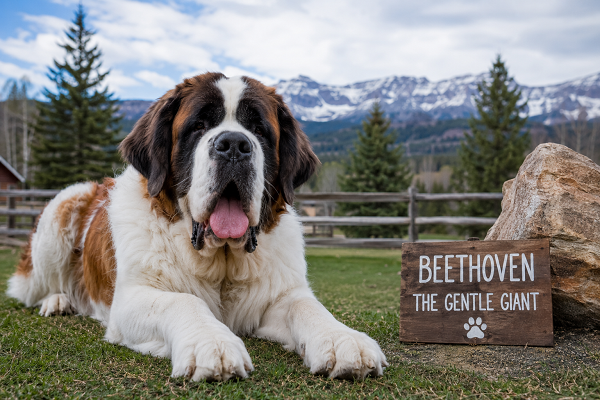
The Beethoven dog breed is the Saint Bernard, a giant Swiss Alpine working dog that weighs 120 to 180 pounds (55 to 80 kg) and lives about 8 to 10 years. Before you buy one, you need to know five things: how big it really gets, its serious health risks, how badly it handles heat, what it truly costs, and why it needs early training even though it’s gentle.
Table of Contents
- Introduction: The Movie Dog vs. the Real Dog
- What Kind of Dog Is Beethoven? (Movie Facts)
- A Quick History of the Saint Bernard
- Thing #1: Size and Growth (The Month-by-Month Reality)
- Thing #2: Lifespan and Health Risks
- Thing #3: Drool, Shedding and Heat
- Thing #4: The Real Cost of Owning One
- Thing #5: Training a Gentle Giant
- Is a Saint Bernard Right for You? (Readiness Checklist)
- Buying vs. Adopting (Plus Questions to Ask a Breeder)
- Saint Bernard vs. Other Giant Breeds
- Why You Can Trust This Guide
- FAQs
- Conclusion: Is the Beethoven Dog Breed Right for You?
Introduction: The Movie Dog vs. the Real Dog
If you grew up in the 90s, Beethoven was probably the dog you wished you had. He was huge, slobbery, clumsy and totally loyal. And thirty years later, people still type “Beethoven dog breed” into Google, hoping to bring that same joy home.
Here’s the problem. The movie shows you 90 minutes of fun. It doesn’t show the 3 a.m. vet visit, the $2,000 surgery bill, the summer afternoon when your dog can’t stop panting, or the drool on your ceiling. When a movie makes a breed famous, a lot of people buy puppies on emotion, and many of those dogs end up in rescues once the real work begins.
So let’s do this the right way. In this guide, you’ll learn what the Beethoven dog breed really is, where it comes from, and the five things to know before buying a Saint Bernard: size, health, heat and drool, cost, and training. You’ll also get a readiness checklist and a list of questions to ask any breeder.
What Kind of Dog Is Beethoven? (Movie Facts)
Beethoven is a Saint Bernard. The original film came out on April 3, 1992, and earned about $147 million worldwide. Sequels followed for more than a decade.
A few facts worth knowing:
- The star was a dog named Chris. He played Beethoven in the first films, and he had around 12 doubles to cover different scenes and ages.
- The movie dog was around 185 pounds. That’s at the top of the breed’s range, so don’t expect your dog to match it.
- Film dogs are heavily managed. Professional trainers worked each scene. Your Saint Bernard puppy won’t be trained like that unless you do the work.
Then there’s what I call the “Beethoven effect.” After the film, reports described a jump in Saint Bernard interest, with breeders getting long waiting lists. That’s exactly when careless breeders show up. When a breed trends, puppy mills and backyard breeders cash in. If you’re buying because of the movie, slow down and read the rest of this guide first.
A Quick History of the Saint Bernard
Saint Bernards earned their fame the hard way. For centuries, monks at the Great St. Bernard Hospice, a mountain pass between Switzerland and Italy, kept large, strong dogs. These dogs helped find and guide travelers lost in deep snow.
The most famous was Barry, who is credited with saving more than 40 people in the early 1800s. His preserved body is still displayed in the Natural History Museum in Bern.
Now for a myth. Those dogs never carried little brandy barrels. The AKC notes that the barrel image came from a painting by the young artist Edwin Landseer, not from real rescues. The breed’s ancestors are believed to be Molosser-type dogs, big mastiff-like dogs brought to the region by the Romans roughly 2,000 years ago.
By the late 1800s the breed had its official name and its first clubs, including the Saint Bernard Club of America. Today it’s Switzerland’s national dog and a member of the AKC’s Working Group.

Thing #1: Size and Growth (The Month-by-Month Reality)
Most people know Saint Bernards are big. What they don’t picture is how fast it happens.
Adult size (AKC range):
- Weight: 120 to 180 pounds (55 to 80 kg). Males often sit at the top, and some go over.
- Height: 26 to 30 inches (66 to 76 cm) at the shoulder.
Here’s a rough growth guide. Every dog is different, so treat these as ballpark numbers and ask your vet to track your puppy’s curve.
| Age | Typical weight | What to expect |
|---|---|---|
| 8 weeks | 15 to 25 lb (7 to 11 kg) | Roly-poly, easy to carry. Enjoy it. |
| 4 months | 55 to 75 lb (25 to 34 kg) | Already too heavy to lift easily. Pulling begins. |
| 6 months | 80 to 110 lb (36 to 50 kg) | Bigger than many adult dogs. Teenage stubbornness starts. |
| 12 months | 110 to 150 lb (50 to 68 kg) | Looks grown, but bones and joints are still maturing. |
| 18 to 24 months | Near full size | Finally filled out. Mentally still a big puppy. |
The mistake I see most: owners think a big-looking six-month-old can handle adult exercise. He can’t. Giant breeds have growth plates that stay open longer. Long runs, repeated jumping and stairs all day can hurt developing joints. Keep exercise gentle and short until your vet says the growth plates have closed.
What size means for daily life:
- Space: A Saint Bernard lying in a hallway blocks the hallway. You need real floor room, not just a yard.
- Car: Check your vehicle. A full-grown Saint Bernard needs an SUV, wagon or van with a safe crate or harness.
- Strength: Do the “big dog test.” Could you hold a 150-pound dog on a leash if he lunged after a squirrel? If the honest answer is no, plan for serious early leash training, or think about a smaller breed.
- Lifting: If your dog gets hurt, you can’t carry him. Learn about ramps and ask your vet about emergency transport before you need it.
Thing #2: Lifespan and Health Risks
This is the hard part. Saint Bernards live about 8 to 10 years on average, and some sources list 7 to 10. A mid-sized dog like a Beagle often lives 12 to 15 years. Giant dogs simply age faster.
Here are the main health risks to know about.
Bloat (GDV)
Bloat, or gastric dilatation-volvulus, is when the stomach fills with gas and can twist. It’s a true emergency. A well-known Purdue University study found that giant breeds carry a very high lifetime risk, and Saint Bernards were among the worst, at roughly one in three dogs.
Warning signs: swollen belly, restless pacing, drooling more than usual, retching with nothing coming up, and pale gums. If you see these, go to an emergency vet right away. Don’t wait until morning.
How to lower the risk:
- Feed two or three smaller meals a day instead of one big meal.
- Avoid hard exercise for about an hour before and after eating.
- Ask your vet about a preventive gastropexy. This surgery tacks the stomach in place, and many vets do it at the same time as spaying or neutering.
- Don’t let your dog gulp food. Slow-feeder bowls help.
Hip and elbow dysplasia
These are joint problems where the joint doesn’t form properly, causing pain and arthritis. Responsible breeders test parents with the OFA or PennHIP (in the US) or the equivalent hip and elbow scoring schemes in the UK and Europe.
Heart disease
Dilated cardiomyopathy (DCM) can affect Saint Bernards. Ask for a cardiac check on the parents.
Bone cancer
Osteosarcoma is more common in giant breeds. There’s no simple prevention, which is one reason lifespan stays short.
Eye problems
Entropion (eyelid rolling inward) and ectropion (drooping lids) show up in the breed. Ask your vet to check the eyes early.
Other things insurers list
Some pet insurers also list epilepsy and hemophilia B as issues seen in the breed, along with thyroid problems. That’s why the parents’ health history matters so much.
What to do with this information:
- Buy only from breeders who show health test results for both parents.
- Get pet insurance before problems appear. Pre-existing conditions are usually excluded.
- Feed a large or giant breed puppy food so bones don’t grow too fast.
- Keep your dog lean. Extra weight is hard on those joints.
- Do puppy and adult checkups, and learn basic handling and grooming so you notice lumps, limping or changes early. Our guide on essential dog grooming tips for a healthy puppy shows how to spot trouble during routine care.
Thing #3: Drool, Shedding and Heat
Most articles mention the drool. Very few explain the heat problem, and it’s the one that can actually hurt your dog.
Drool
Yes, it’s real. Loose, hanging lips hold saliva until your dog shakes his head, and then it lands on walls, windows and guests. It gets worse before meals, after drinking and when he’s excited or hot.
Drool survival kit: keep a few small towels by the door, wipe the jowls after drinking, wash food and water bowls daily, and use washable covers on furniture.
Shedding and coat care
Saint Bernards come in shorthaired and longhaired coats. Both have a thick double coat and shed heavily, with big “blowouts” about twice a year.
- Brush 2 to 3 times a week, and daily in shedding season.
- Longhaired dogs tangle behind the ears, on the chest and on the “pants”.
- Clean the ears weekly. Floppy ears trap moisture.
- Wipe the face folds and eye area to prevent irritation.
- Don’t over-bathe. Too much washing strips protective oils.
Heat: the part most buyers miss
This breed was built for freezing mountain passes, not hot afternoons. Orvis, citing breed information, notes that the thick coat keeps them comfortable in cold and very uncomfortable in heat. Other breed profiles say the same and warn against leaving them outside for long periods.
If you live somewhere hot, such as the southern US, Australia, the Middle East, India or West Africa, you need a real plan:
- Air conditioning or strong airflow in the room where he rests.
- Walks at dawn and dusk only. Skip midday completely.
- Shade and fresh water at all times.
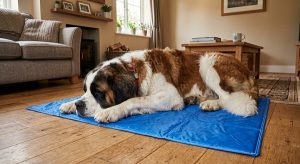
- Cooling mats or a damp towel to lie on.
- Never leave him in a parked car, even for a minute.
- Know heatstroke signs: heavy panting that won’t settle, thick drool, red or pale gums, stumbling, vomiting or collapse. Move him to a cool spot, cool him with cool (not ice-cold) water, and get to a vet immediately.
Here’s my honest advice: if you can’t keep a giant dog cool for most of the year, a Saint Bernard may be the wrong dog for you, no matter how much you love the movie.
Thing #4: The Real Cost of Owning One
The puppy price is only the start. Prices change by country and breeder, so use these as a planning guide, not a promise.
| Cost item | Typical range (USD) |
|---|---|
| Puppy from a reputable breeder | $1,500 to $3,500 (higher for show lines) |
| Rescue or shelter adoption fee | $50 to $500 |
| Setup: crate, bed, bowls, leash, harness, ramp | $400 to $900 |
| First-year vet care (shots, deworming, checks) | $500 to $1,000 |
| Food, adult dog (monthly) | $70 to $150 |
| Pet insurance (monthly) | $75 to $150 |
| Preventive gastropexy (one time, if chosen) | Often several hundred to over $1,000, depending on location |
| Training classes (group course) | $150 to $400 |
| Estimated lifetime cost | $20,000 or more |
Costs people forget:
- Food volume. A grown Saint Bernard can eat roughly 5 to 8 cups (about 500 to 900 grams) of dry food a day, depending on the food and his activity. Your vet will give you the right amount.
- Medication doses. Bigger dogs need bigger doses, so everything from flea treatment to anesthesia costs more.
- Boarding and grooming. Many places charge extra for giant dogs, and some refuse them.
- Replacing things. Chewed furniture, bent crates and torn leashes add up.
- Cooling and electricity in hot countries.
Price red flag: a Saint Bernard puppy offered for far less than the going rate, with “no papers needed”, is often a puppy mill dog or a scam. Cheap puppies usually become expensive dogs after the first big vet bill.
Thing #5: Training a Gentle Giant
Saint Bernards have a sweet reputation. They tend to be patient, loyal, good with children, and low in prey drive, which helps around other pets. But gentle doesn’t mean easy.
What trainers see in this breed:
- Slow, thoughtful learners. They think things through. They respond to calm, repeated, reward-based training, and they shut down fast if you get harsh.
- Stubborn streaks. Around adolescence (roughly 6 to 18 months), many Saints decide your commands are optional. Stay consistent.
- Shyness without socialization. Some Saints are aloof or nervous with strangers if they miss early exposure.
- Separation anxiety. They’re people dogs. Long hours alone can lead to destruction or distress.
- Size makes habits dangerous. A jumping 20-pound puppy is cute. A jumping 150-pound adult can knock over a child or an elderly guest.
A simple training timeline:
| Age | Focus |
|---|---|
| 8 to 16 weeks | Socialization (people, sounds, surfaces, other dogs). Crate and toilet routine. Name, sit, and “four paws on the floor” for greetings. |
| 3 to 6 months | Puppy class. Loose-leash walking. Calm handling of paws, ears and mouth. |
| 6 to 18 months | Proofing. Recall in safe areas, “wait” at doors, steady manners. Stay patient with the stubborn phase. |
| 18 months and beyond | Keep practicing. Consider fun jobs like therapy work, backpack carrying, or drafting (cart pulling), which the breed does well. |
Start with the leash and the jump. Teach loose-leash walking and “off” before your dog reaches 50 pounds. Once he’s 120, it’s a very different job. A calm, structured crate routine also makes house training and alone-time easier, and our crate training guide for puppies walks through the exact steps.
Want a full playbook? My e-book, Beyond the Bark: Inside a Pro Handler’s Playbook for Raising the Ideal Dog, covers the structure, communication and consistency I use with working dogs, adapted for family dogs. It fits a Saint Bernard owner well, because it’s built around starting right in the first weeks at home.
Is a Saint Bernard Right for You? (Readiness Checklist)
Answer yes or no. If you get three or more “no” answers, pause before you buy.
- Do I have enough indoor floor space for a 150-pound dog?
- Can I keep him cool for most of the year?
- Can I afford $20,000 or more over his lifetime, plus a surprise emergency fund?
- Can I pay for a $2,000 to $5,000 emergency surgery if bloat happens?
- Am I fine with drool and heavy shedding every single day?
- Can I physically control a 150-pound dog on a leash?
- Will someone be home for much of the day?
- Will I train him every day for at least the first 18 months?
- Am I ready to say goodbye in 8 to 10 years?
That last one is tough, but it’s honest. Giant breeds break hearts early.
Buying vs. Adopting (Plus Questions to Ask a Breeder)
Buy from a breeder if:
- You want a puppy and control over early socialization.
- You want documented health testing and knowledge of both parents.
- You can afford the price and the long waiting list good breeders often have.
Adopt if:
- You’re happy with an adult or senior dog. Adults come with known size and temperament.
- Budget matters. Rescue adoption fees run far below breeder prices.
- You can handle some unknowns in health or training history.
Saint Bernards do end up in shelters and breed rescues, often after owners underestimate the size and costs. Rescues can match you with a dog that suits your home.
10 questions to ask any Saint Bernard breeder
- Can I see health test results for both parents (hips, elbows, heart, eyes)?
- Can I meet the mother, and the father if he’s on site?
- How long do the parents’ relatives usually live?
- Have any dogs in the line had bloat, heart disease or bone cancer?
- Do you recommend a preventive gastropexy?
- How are the puppies raised and socialized before 8 weeks?
- What do you feed, and what do you suggest for my puppy?
- What’s in your contract? Do you offer a health guarantee and take-back policy?
- How many litters do you produce each year?
- Will you stay in touch and answer questions for the dog’s whole life?
Red flags: won’t show health tests, won’t let you see the parents, sells puppies before 8 weeks, always has puppies available, takes payment but dodges questions, or pushes you to decide fast.
Saint Bernard vs. Other Giant Breeds
Not sure the Saint Bernard is the right giant? Here’s a quick look. Weights and lifespans are typical ranges and vary by line.
| Breed | Typical weight | Typical lifespan | Biggest watch-out |
|---|---|---|---|
| Saint Bernard | 120 to 180 lb | 8 to 10 years | Bloat, drool, heat |
| Newfoundland | 100 to 150 lb | 9 to 10 years | Heavy coat, drool |
| Bernese Mountain Dog | 70 to 115 lb | 7 to 10 years | Cancer risk |
| Great Dane | 110 to 175 lb | 7 to 10 years | Bloat, heart disease |
If you want something that’s easier on your time, you might also look at our list of low-maintenance dog breeds with basic grooming needs.
Why You Can Trust This Guide
I’m Cpl. Rofiat Muritala, a Nigerian Army military working dog instructor and handler with more than 14 years of experience at the Nigerian Army Dog Centre. My work covers dog selection, foundational obedience, behavior shaping and performance evaluation. I’ve completed advanced obedience, K9 patrol and explosive detection courses, and I led demonstrations at the Nigerian Army Day Celebration (NADCEL) 2026.
A Saint Bernard isn’t a working K9 in the police sense, but the same rules apply to every dog: choose the right dog for your life, build structure early, and don’t ignore health and temperament. This guide combines that practical handler’s view with published breed information from the American Kennel Club and the Saint Bernard Club of America, veterinary research on bloat risk, and breed health information used by pet insurers. Health and cost details change, so always confirm specifics with your own veterinarian.
FAQs
1. What breed of dog is Beethoven?
Beethoven is a Saint Bernard. The role was played mainly by a dog named Chris, with several doubles used during filming. The Saint Bernard is a giant Swiss working breed originally used for mountain rescue.
2. How much does a Saint Bernard puppy cost?
From a reputable breeder, expect roughly $1,500 to $3,500 in the US, with show lines higher. Rescue fees are usually $50 to $500. Over a lifetime, food, vet care, insurance and supplies can push total cost to $20,000 or more.
3. How long do Saint Bernards live?
Most live 8 to 10 years, and some sources say 7 to 10. Giant size, bloat, heart disease and bone cancer all shorten lifespan compared with smaller breeds.
4. Can a Saint Bernard live in a hot climate or an apartment?
Hot climates are hard because the breed overheats easily, so you need air conditioning, shade and early-morning or late-evening walks. Apartments can work if the home is large, the dog gets daily outdoor exercise, and you have a safe, cool space for him.
5. Are Saint Bernards good with kids?
Usually, yes. They’re patient and gentle. But a 150-pound dog can knock a small child over by accident, so always supervise and teach the dog calm greetings from the start.
Conclusion: Is the Beethoven Dog Breed Right for You?
The Beethoven dog breed, the Saint Bernard, is one of the kindest dogs you’ll ever meet. But the movie hides the hard parts: huge size that arrives fast, a short life with serious health risks, drool and shedding every day, trouble with heat, and costs that run into the tens of thousands.
Your action plan:
- Run through the readiness checklist honestly.
- Plan your cooling setup before the puppy arrives.
- Find a breeder with full health testing, or look at a Saint Bernard rescue.
- Set money aside now, and get insurance early.
- Start socialization and leash training in the first week.
If you can say yes to all of that, you’ll get a loyal, calm, funny companion who really does live up to the movie. If you can’t, there’s no shame in picking a smaller breed. That’s what a good dog owner does.
Want more guides like this? Get our weekly articles roundup in your inbox: subscribe to the ARFS K9 Team newsletter.

Her work centres on obedience, detection, protection and operational readiness. She favours proven methods built on repetition, consistency and real-world conditioning, so that both dogs and handlers are prepared for high-pressure tasks.
Rofiat represented the Nigerian Army Dog Centre at the Nigerian Army Day Celebration (NADCEL) 2026, where she led demonstrations in obedience, explosive detection, agility and tactical movement. Through articles, training content and documentaries, she shares field-based insight into how structured training, clear communication and trust between handler and dog affect performance and reliability.
She is the author of Beyond the Bark: Inside a Pro Handler's Playbook for Raising the Ideal Dog, a practical guide that helps dog owners and handlers apply professional training principles in everyday situations.
- Dog Hotel Prep: 7 Must-Haves Before Boarding - October 21, 2026
- How to Enter the COBA National Dog Championship - October 20, 2026
- K9 Advantix Dosage Chart & Safety Guide for Dogs - October 19, 2026