Chow Chow Puppy Training: Challenges & Care Guide
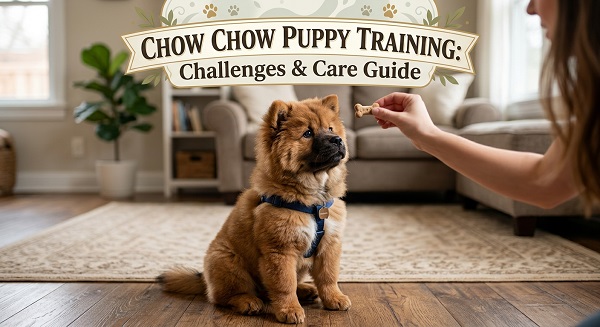
How do you train a Chow Chow puppy? Start on day one, use short 3 to 5 minute sessions, and reward calm behavior with food. Make socialization your top priority before 16 weeks, because Chows are naturally wary of strangers. Never use harsh corrections. The breed shuts down or pushes back when pressured. Add careful coat, heat and joint care, and a Chow puppy can grow into a calm, loyal adult.
Table of Contents
- Introduction
- Understanding the Chow Chow Mind
- 7 Chow Chow Puppy Training Challenges (and Fixes)
- Chow Chow Puppy Training Timeline: Week by Week
- Chow Chow Socialization: Your Most Important Job
- How to Train a Chow Chow Puppy: Core Skills Step by Step
- Chow Chow Puppy Care Guide
- Common Training and Care Mistakes
- Handler’s Field Notes: What Most Guides Skip
- Is a Chow Chow Right for You?
- FAQs
- Final Thoughts and Your Action Plan
Introduction
You bring home a fluffy bear cub with a blue-black tongue. Everyone who sees it melts. Then, around week 12, the puppy stares at you, ignores “come,” and walks off like you’re not worth the effort.
Sound familiar? That’s Chow Chow puppy training for most new owners. Many beginner guides promise a “stubborn but easy” dog. The truth is more interesting. The Chow isn’t dumb or defiant. It’s an independent, guarding-type dog that wants a reason to work with you.
In this guide, you’ll learn:
- Why Chows act differently from Labradors or German Shepherds
- The seven biggest training challenges, with fixes that work
- A week-by-week training timeline
- How to socialize a Chow puppy safely
- The care basics most guides rush through: coat, heat, joints, bloat and vet costs
I train working dogs for a living, so I look at puppies the way a K9 handler does. We care about temperament, nerve strength and early habits, because those decide how the adult dog behaves. Let’s get into it.
Understanding the Chow Chow Mind
Why Chow Chows Train Differently
Ever hear people say a Chow “acts like a cat in a dog suit”? There’s truth in it. Chows are reserved, clean and self-directed. They don’t live to please you the way a retriever does.
The breed’s job history explains this. Chows come from northern China, and the AKC describes them as loyal and devoted to their family but indifferent to strangers. That’s a guarding temperament. A dog bred to watch property needs to think for itself, so it won’t take orders from anyone who asks.
Veterinary sources also note that Chows are more protective and territorial than many other breeds, and a passerby may get a barking comment from the front window. Plan for that from the start.
What this means for training:
- Your Chow will ask, “What’s in it for me?” Have a good answer ready.
- Pressure backfires. Harsh methods create fear, and fear plus a guarding breed is a bad mix.
- Trust comes before obedience. Build the relationship first.
Quick Chow Chow Breed Facts
| Trait | What to expect |
|---|---|
| Size | Medium, sturdy, heavy-boned |
| Adult weight | Males about 57–70 lb (26–32 kg); females about 44–55 lb (20–25 kg) |
| Lifespan | 8 to 12 years |
| Coat | Double coat, rough or smooth |
| Colors | Red, black, blue, cinnamon, cream |
| Energy | Moderate |
| Trainability | Intelligent but independent |
The AKC lists the weights and lifespan above, and it registered its first Chow in 1903. The breed also had a wild ride in popularity. It reached the 6th most popular breed in America in the 1980s before falling sharply. When a breed booms, backyard breeders flood the market. That’s one reason temperament varies so much from one Chow line to another.
7 Chow Chow Puppy Training Challenges (and Fixes)
Most competing guides tell you “be consistent” and stop there. Here are the real problems and what to do about each.
1. Independence and “Selective Hearing”
Your Chow understands you perfectly. They just don’t see the point.
Fix:
- Use high-value rewards such as small bits of cooked chicken or cheese, not dry kibble.
- Keep sessions to 3 to 5 minutes and end while the puppy still wants more.
- Use a “yes” marker word the instant your puppy gets it right.
- Ask for easy wins first, then raise the difficulty.
2. Wariness of Strangers
This is the big one. A Chow puppy that’s shy at 10 weeks can become a stranger-reactive adult by two years if you ignore it.
Fix:
- Socialize heavily between 8 and 16 weeks (the full plan is below).
- Let the puppy approach people. Never push the puppy toward them.
- Ask visitors to ignore the puppy, then toss treats near their feet.
3. Resource Guarding
Chows can guard food, toys, beds and even you. It starts small: a stiff body, a hard stare, a freeze over a bowl.
Fix:
- Walk past the food bowl and drop something better into it. The message: people near my bowl bring good things.
- Trade, never snatch. Offer a treat for the toy, then give the toy back.
- Don’t punish growling. A growl is a warning, and punishing it teaches the dog to skip the warning and go straight to a bite.
- If guarding gets worse, hire a certified behavior professional early.
4. Touch Sensitivity
Many Chows hate being handled, and they need extra time to accept grooming, nail trims and vet exams.
Fix:
- Handle paws, ears, mouth and tail for 30 seconds daily, then reward.
- Pair every brush stroke with a treat in week one.
- Never hold the puppy down. Stop, wait, and restart gently.
5. Barking and Territorial Behavior
Chows announce visitors. It’s in their blood.
Fix:
- Teach “Thank you, quiet.” Let your puppy bark two or three times, then reward silence.
- Block the window view with frosted film or move the sofa.
- Give the puppy a job, such as “go to your mat” when the doorbell rings.
6. Leash Pulling and Walking Strength
Chow puppies grow into powerful dogs, and a 60-pound adult who pulls is a real problem.
Fix:
- Start leash work indoors at 8 weeks.
- Use a front-clip harness with a flat collar for ID.
- Stop moving when the leash tightens. Walk on when it loosens.
- Reward the position you want, right beside your leg.
7. Mouthing, Chewing and Boredom
Chow puppies chew like any puppy, and some turn destructive if they get too little mental work.
Fix:
- Rotate chew toys every few days.
- Feed some meals from puzzle toys.
- Redirect, don’t scold. Swap your hand for a toy.
Want to make sure your puppy isn’t just bored? Check our guide on how to crate train a puppy with K9 trainer tips. A well-introduced crate gives a Chow a calm den to retreat to.
Chow Chow Puppy Training Timeline: Week by Week
Here’s the schedule I’d give a client. Every puppy moves at its own speed, so treat it as a guide.
| Age | Focus | Daily time |
|---|---|---|
| 8–10 weeks | Name game, crate, potty routine, gentle handling | 3 sessions of 2–3 min |
| 10–12 weeks | Sit, down, hand targeting, new people and surfaces | 3 sessions of 3–5 min |
| 12–16 weeks | Recall on a long line, leave it, drop it, car rides | 3–4 sessions of 5 min |
| 4–6 months | Loose-leash walking, stay, calm greetings, short outings | 2–3 sessions of 5–10 min |
| 6–12 months | Add distractions, public places, “settle” on a mat | 10–15 min total |
| 12–24 months | Polish skills; adolescent push-back is normal | Ongoing, keep it fun |
Expect a rebellious phase between 6 and 12 months. Your puppy knew “sit” last week. Now it acts like it never heard the word. Stay calm, go back a step, and reward more often.
Chow Chow Socialization: Your Most Important Job
If you remember one section from this guide, make it this one.
Why the Window Matters
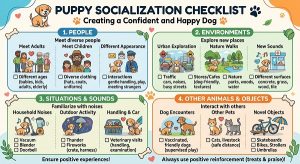
Puppies learn fastest about the world in their first few months. Veterinary behavior groups such as the AVSAB recommend starting socialization early and finishing the main push by about 12 to 16 weeks. After that, new things start to feel scary. For a naturally cautious breed like the Chow, missing this window costs more than it does for a Labrador.
Some owners worry about vaccines. Talk to your vet. Many vets support safe, controlled exposure before vaccines finish: carrying the puppy in public, visiting vaccinated friends’ homes, and attending a clean puppy class. Avoid dog parks and busy pavements until your vet clears you.
A Simple 8-Week Socialization Plan
Aim to expose your puppy to as many of these as you can, in a calm, positive way:
- People: men with beards, children, people in hats, people with umbrellas, delivery workers.
- Surfaces: tile, grass, gravel, metal grates, wet floors.
- Sounds: vacuum, thunder recordings, traffic, doorbells, kitchen noise. (The breed club suggests TV and radio too.)
- Places: car rides, a vet waiting room (just for treats), a pet shop, a quiet café patio.
- Dogs: two or three calm, vaccinated adult dogs.
- Handling: nail clippers, brushes, towels, ear wipes.
Keep a checklist on the fridge. Tick off 5 new things a week.
How to Keep Every Meeting Positive
- Let your puppy sniff and decide when to approach.
- Reward calm behavior, not just “friendly” behavior.
- Watch body language. Lip licking, tucked tail, leaning away, or a frozen stare mean “too much.” Create distance and try again later.
- Never force greetings. Don’t let strangers loom over the puppy, grab it, or stare it down.
How to Train a Chow Chow Puppy: Core Skills Step by Step
Step 1: Teach the Name Game (Day 1)
Say your puppy’s name. When it looks at you, say “yes” and give a treat. Repeat 10 times, three times a day. This builds eye contact, which is the foundation of every other skill.
Step 2: Teach “Sit” and “Down”
Hold a treat at the puppy’s nose and move it up and back over the head. The bottom drops. Say “yes” and reward. After a few days, add the word just before the movement. Do the same for “down,” lowering the treat to the floor.
Step 3: Teach a Reliable Recall
Chows aren’t known for racing back to you, so build recall slowly.
- Use a special treat that only comes out for recall.
- Say “come” in a happy voice once, then back away so the puppy chases you.
- Reward big. Treat, praise, a short game.
- Never call your puppy to end fun or to punish.
- Use a 15 to 30 foot long line outdoors until recall is rock solid.
Step 4: Teach “Leave It” and “Drop It”
These two protect your puppy and your shoes. For “leave it,” close your fist over a treat, wait until the puppy stops pawing, then reward from the other hand. For “drop it,” trade a toy for a treat and hand the toy back.
Step 5: Build Crate and Potty Habits
A crate gives your Chow a safe place and speeds up house training. Use short, calm crate sessions with food rewards. Our crate training guide covers the full process.
Puppies need to go out after sleeping, eating, playing and drinking. If potty accidents are driving you up the wall, my ebook Beyond the Bark walks you through a structured 7-day potty plan you can start the day your puppy arrives.
Step 6: Teach “Settle” on a Mat
This is the most useful skill for a Chow. Place a mat down. Reward any paw or body on it. Add duration slowly. A dog that settles on cue handles visitors, vet visits and busy cafés far better.
Training Rules That Work for Chows
- Positive reinforcement only. Reward-based training matches the breed’s sensitivity.
- Be fair and predictable. Chows remember unfair treatment.
- Respect their space. Let the puppy rest without being grabbed.
- Everyone in the house uses the same cues.
Chow Chow Puppy Care Guide
Training only works if the puppy feels well. Here’s what Chow care really looks like.
Feeding Your Chow Chow Puppy
Chow puppies grow quickly, and fast growth can stress the joints. Pet insurance and veterinary sources recommend feeding a large-breed puppy food until about 12 to 18 months. That slows growth rate without changing final size.
Feeding tips:
- Feed 3 meals a day until about 6 months, then 2 meals a day.
- Measure portions. A chunky puppy puts extra weight on growing joints.
- Don’t exercise your puppy right after meals. Chows are deep-chested, and that body shape raises the risk of gastric dilatation-volvulus (bloat), a life-threatening emergency.
- Ask your vet about preventive surgery (gastropexy) if you’re concerned.
Coat and Grooming
That lion’s mane takes work, but it’s less scary if you start early. Brush a few times a week, and daily when the coat is shedding heavily, which happens about twice a year. Use a pin brush, an undercoat rake and a slicker brush.
Grooming rules for Chows:
- Never shave the coat. It doesn’t cool the dog, and it can ruin the coat’s natural insulation.
- Brush down to the skin, not just the surface. Mats hide near the armpits and behind the ears.
- Check skin folds around the face for moisture and redness.
- Clean ears weekly, brush teeth often and trim nails every 2 to 3 weeks.
For a full walkthrough, read our essential dog grooming tips for a healthy puppy. It shows you how to turn grooming into a calm routine your Chow accepts.
Heat: The Chow’s Biggest Care Risk
Chows don’t handle heat well. Breed guides consistently warn about intolerance of high heat and humidity, and many owners underestimate it.
Keep your Chow safe:
- Walk early morning or late evening in warm climates.
- Provide shade, fresh water and cool floor space.
- Skip hard exercise on hot days.
- Learn the warning signs: heavy panting, thick drool, bright red gums, stumbling, vomiting. This is an emergency. Move the dog somewhere cool and call your vet right away.
A cooling vest can help on warm walks. Our dog cooling vest guide shows which ones work and which are a waste of money.
Exercise Without Hurting Growing Joints
A common rule of thumb is about 5 minutes of structured exercise per month of age, twice a day. A 4-month-old puppy gets about 20 minutes per session. Free play on soft ground is fine, but avoid stairs, jumping and long runs on hard surfaces until the growth plates close, around 12 to 18 months. Mental games such as scent searches and puzzle feeders tire a Chow more than a long walk does.
Common Chow Chow Health Issues and Costs
| Condition | What it is | What to do |
|---|---|---|
| Entropion | Eyelids roll inward, so lashes scratch the eye | Eye exams; surgery if needed |
| Hip and elbow dysplasia | Joint malformation that leads to arthritis | Ask breeder for hip and elbow scores; keep puppy lean |
| Bloat (GDV) | Stomach twists; deadly within hours | Avoid exercise around meals; know the signs |
| Hypothyroidism | Low thyroid hormone, causing weight gain and coat changes | Blood test; daily medication |
| Skin allergies and hot spots | Itching, redness, infections | Groom; control fleas; see a vet |
Costs hurt, so plan ahead. One insurance comparison puts entropion surgery at around $1,000 to $2,500 and emergency bloat surgery at up to $8,000. Pet insurance is worth pricing before your puppy arrives.
Also tell your vet this: like other short-nosed types, Chows may not tolerate anesthesia well, so discuss a safe plan before any procedure.
Common Training and Care Mistakes
- Skipping socialization because the puppy “seems fine.” Shyness grows with age.
- Using dominance or alpha rolls. They create fear, not respect.
- Letting strangers grab the puppy. Cute, but harmful.
- Over-exercising a young puppy. It strains joints.
- Shaving in summer. It harms the coat and doesn’t cool the dog.
- Skipping vet screening. Eye and joint problems start early.
- Training only when it’s convenient. Chows need daily practice.
- Ignoring early guarding. A freeze over the bowl today can become a bite later.
Handler’s Field Notes: What Most Guides Skip
Here’s what I’d tell you over coffee, based on how handlers assess young dogs.
Read the puppy’s nerve, not just its looks. In K9 work, we test how fast a young dog recovers after a surprise, such as a dropped pan or an umbrella opening. A pup that startles and recovers in a few seconds has good nerve. A pup that stays frozen needs more confidence-building. Try it with your Chow.
Train in the “boring middle.” Most owners train in the kitchen, then wonder why nothing works at the vet. Practice sit and settle in the car park, outside a shop, and on a quiet street. Chows need that generalization.
Build a habit of “check-ins.” Reward any time your Chow looks at you on a walk. You’re banking attention for the day you need it.
Match the breeder to the temperament. Ask to meet the mother. Good signs are a calm, confident dam who accepts a stranger after a short sniff. Ask for hip, elbow and eye test results for both parents, on paper.
Chows and other pets. Veterinary breed profiles suggest introducing Chows carefully to other animals, and that they do best with somewhat submissive dogs of the opposite sex. Raised together from puppyhood, many do fine, but supervise.
Is a Chow Chow Right for You?
A Chow suits you if you:
- Like a calm, dignified, cat-like dog
- Can commit to daily grooming and early socialization
- Live somewhere with a cool home or air conditioning
- Prefer a loyal one-family dog over a social butterfly
A Chow may not suit you if you:
- Want a dog that loves everyone instantly
- Have toddlers and little supervision
- Live in a very hot climate without cooling
- Feel nervous about handling a strong-willed dog
- Can’t afford vet care or insurance
Be honest here. Rehoming a grown Chow with behavior problems is heartbreaking for everyone.
FAQs
Are Chow Chows hard to train?
They’re intelligent but independent, so they take more patience than eager-to-please breeds. Short, rewarding sessions and early socialization work well. Harsh methods make things worse.
When should I start training my Chow Chow puppy?
Start the day your puppy comes home, usually at 8 to 10 weeks. Begin with name recognition, crate habits, gentle handling and basic manners. The socialization window closes by about 16 weeks, so don’t wait.
How do I socialize a Chow Chow puppy?
Expose your puppy to new people, sounds, surfaces and calm dogs, five new things a week. Let the puppy approach at its own pace and reward calm behavior. Check with your vet about safe exposure before vaccines finish.
Are Chow Chows aggressive?
Chows aren’t aggressive by default, but they’re reserved and protective, and poor socialization or harsh handling can push them toward reactivity. Early, positive exposure and fair training keep most Chows stable. Always supervise them around children and strangers.
How often should I groom my Chow Chow puppy?
Brush a few times a week, and daily during heavy shedding. Trim nails every 2 to 3 weeks, clean ears weekly and brush teeth often. Never shave the coat.
Final Thoughts and Your Action Plan
Chow Chow puppy training isn’t about forcing obedience. It’s about earning trust, one small reward at a time. Socialize early, keep sessions short, avoid harsh methods and take heat, coat and joint care seriously. Do that, and you’ll raise a calm, loyal companion that’s devoted to your family.
Your action plan this week:
- Book a vet check and ask about eye and joint screening.
- Start a socialization checklist and tick off five new experiences.
- Practice the name game and “sit” for 3 minutes, three times a day.
- Set up a crate with a step-by-step crate routine.
- Price pet insurance before problems appear.
Want more handler-tested advice like this? Subscribe to our weekly articles roundup newsletter at arfsk9team.com.ng/newsletter and get new training guides in your inbox every week.
Sources Consulted
AKC breed information (via Purina), VCA Animal Hospitals, Britannica, HelloSafe pet insurance cost data, Just Food For Dogs health summary, Healthy Paws, and the Cornell Riney Canine Health Center (GDV).

Her work centres on obedience, detection, protection and operational readiness. She favours proven methods built on repetition, consistency and real-world conditioning, so that both dogs and handlers are prepared for high-pressure tasks.
Rofiat represented the Nigerian Army Dog Centre at the Nigerian Army Day Celebration (NADCEL) 2026, where she led demonstrations in obedience, explosive detection, agility and tactical movement. Through articles, training content and documentaries, she shares field-based insight into how structured training, clear communication and trust between handler and dog affect performance and reliability.
She is the author of Beyond the Bark: Inside a Pro Handler's Playbook for Raising the Ideal Dog, a practical guide that helps dog owners and handlers apply professional training principles in everyday situations.
- 5 Best Hypoallergenic Dog Shampoos (Handler Review) - November 26, 2026
- Chow Chow Puppy Training: Challenges & Care Guide - November 25, 2026
- E-Collar EZ-900 Easy Educator Review (2026): Worth It? - November 24, 2026