Is Your Dog Scooting? Causes, Home Fixes & When to Worry
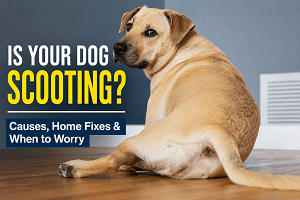
Dog scooting is most commonly caused by full or impacted anal glands (also called anal sacs), which affect up to 15% of dogs visiting the vet. Other causes include intestinal parasites (like tapeworms), allergies, skin infections, something stuck around the anus, or anal gland abscesses. Most mild cases resolve within 24 hours with home care, but persistent scooting, swelling, discharge, pain, or behavioral changes require immediate veterinary attention.
Table of Contents
What Is Dog Scooting?
Top 7 Causes of Dog Scooting
Anal Gland Problems (The #1 Cause)
Intestinal Parasites
Allergies (Food & Environmental)
Skin Infections (Bacterial/Yeast)
Something Stuck Around the Anus
Anal Gland Abscess
Other Conditions (Furunculosis, Lumps)
How to Tell Which Cause Your Dog Has
Home Remedies & Fixes for Dog Scooting
Warm Compress
Anal Gland Expression (At-Home Guide)
High-Fiber Diet & Pumpkin
Probiotics & Prebiotics
Regular Grooming
Omega-3 Fatty Acids
Increase Water Intake
When to Worry: Signs Your Dog Needs a Vet
Prevention Tips to Stop Scooting
Cost of Treating Scooting Issues
Common Breed Risks for Anal Gland Problems
Real-World Cases & Statistics
Conclusion: What You Should Do Next
FAQs About Dog Scooting
What Is Dog Scooting?
If you’ve ever watched your dog drag their butt across the floor like a tiny, furry carpet, you’ve seen dog scooting. It’s also called “dragging,” “worming,” or “itchy butt” behavior. While it might look funny at first, scooting is usually a sign that your dog is uncomfortable, itchy, or in pain around their anal area.
Dogs don’t scoot for fun. They do it to try to relieve irritation. Understanding why your dog scoots is the first step to fixing the problem and keeping your K9 companion (or family pet) healthy.
Top 7 Causes of Dog Scooting
1. Anal Gland Problems (The Main Cause)
The No. 1 cause of dog scooting is full anal glands. Dogs have two small sacs (anal glands or anal sacs) located just inside the rectum on either side. These glands release a foul-smelling fluid that dogs use for marking their scent.
When these sacs become full to the point of discomfort, or impacted (blocked), your dog will scoot to try to express the fluid. Anal gland problems affect approximately 15% of dogs that visit the vet.
Key signs:
Scooting after bowel movements
Smelling a foul odor near the anus
Licking or biting the anal area
Swelling on one side of the anus
2. Intestinal Parasites
Intestinal parasites like tapeworms can cause itching and irritation around the anus when they exit the stomach after maturing. Dogs get tapeworms by ingesting fleas carrying immature tapeworm larvae.
Telltale signs of tapeworms:
Itchy bottom + scooting
Rice-like worm segments around the anus
Worm segments in feces or bedding
Parasites are often overlooked because many dogs show few symptoms until an infestation becomes significant. To learn how worms affect canine health and how often dogs should be treated, read our complete guide on How Often Should You Worm Dogs? Essential Guide for Pet Owners.
3. Allergies (Food & Environmental)
Allergies are a major hidden cause of scooting. Both food allergies and environmental allergies (like pollen, dust, or mold) can lead to itching and irritation around the anus.
The persistent itching drives dogs to scoot in an attempt to relieve discomfort. Identifying the specific allergen is crucial for long-term relief.
4. Skin Infections (Bacterial/Yeast)
Bacterial or yeast infections in the skin surrounding the anus cause intense itching and discomfort. Dogs scoot to find relief from this persistent irritation.
Signs of infection:
Redness around the anus
Pus or foul odor
Swelling
Increased licking
Proper diagnosis and treatment are essential to resolve the issue.
5. Something Stuck Around the Anus
Sometimes the cause is simple: mud, poo, a twig, or debris stuck around your dog’s bottom. This is especially common in dogs that play outside, like working K9s or active family pets.
What to do: Check the area gently and clean it with warm water.
6. Anal Gland Abscess
When an anal gland becomes infected, it can form an abscess (a painful pocket of pus). This is more serious than simple fullness and requires veterinary treatment.
Warning signs:
Severe pain
Visible swelling
Foul discharge
Limping or reluctance to sit
7. Other Conditions
Less common causes include:
Anal furunculosis (deep tissue inflammation)
Lumps or tumors near the anus
Constipation or diarrhea affecting bowel movements
How to Tell Which Cause Your Dog Has
Home Remedies & Fixes for Dog Scooting
Some cases resolve within 24 hours with home care. Here are the best natural remedies:
1. Warm Compress With Water
One of the first steps to soothe irritation is a warm water compress.
How to do it:
Boil water and let it cool to warm (not hot)
Soak a clean cloth or gauze
Wring out excess water
Gently apply to your dog’s anal area for a few minutes
Repeat a few times daily
2. Anal Gland Expression (At-Home Guide)
If your dog’s scooting is from anal gland problems, you can learn to express them at home. However, be cautious and gentle.
Steps:
Wear disposable gloves
Have lubricant (petroleum jelly) ready
Have your dog stand or lie on their side
Gently insert your gloved, lubricated finger into the anus
Locate the pea-sized sacs on either side
Gently apply pressure to express fluid
Point fluid away from you and dispose properly
Note: If you’re unsure, ask your vet to show you first. Incorrect expression can cause injury.
3. High-Fiber Diet & Pumpkin
Pumpkin is often recommended due to its soluble fiber, which regulates bowel movements and firms stools. Firm stools help naturally express anal glands. Nutrition plays a major role in digestive health, stool quality, and anal gland function. For a broader look at feeding strategies that support long-term canine health, read Best Nutrition and Health Tips for Working Dogs (Complete Performance Guide).
How to use:
Add 1–2 spoonfuls of canned/pureed pumpkin to meals
Start small, gradually increase
Monitor stool consistency
Other fiber-rich foods:
Cooked sweet potatoes
Brown rice
Steamed green beans
4. Probiotics & Prebiotics
Probiotics support a healthy gut microbiome and aid digestion. Add a high-quality probiotic supplement to your dog’s diet.
If you suspect food allergies, consult your vet about an elimination diet or allergy testing.
5. Regular Grooming
Keep the anal area clean and free from debris. Trim fur around the anus to prevent fecal matter from trapping.
Grooming checklist:
Clean after bowel movements
Trim perianal fur
Use Glandex Wipes (optional) for cleaning after expression
6. Omega-3 Fatty Acids
Fish oil supplements or fatty fish like salmon reduce inflammation and promote skin/coat health. This helps if allergies or skin infections are causing scooting.
7. Increase Water Intake
Proper hydration is crucial for regular bowel movements. Ensure fresh water is always available. Dogs that don’t drink enough water are more likely to experience digestive irregularities and harder stools that may contribute to anal gland issues. Learn the warning signs in our guide on Is Your Dog Drinking Enough Water? Hidden Dangers of Dehydration in Hot Climates. You can add water to kibble or offer ice cubes as treats.
When to Worry: Signs Your Dog Needs a Vet
While home remedies work for mild cases, seek veterinary attention immediately if you see these warning signs:
Immediate vet care is advised if scooting combines with: pain, visible swelling, bowel changes, or behavioral/appetite changes.
Prevention Tips to Stop Scooting
Prevention is easier than treatment. Here’s how to keep your dog scoot-free:
High-fiber diet – Firm stools express glands naturally
Regular grooming – Clean anal area, trim fur
Probiotics – Support gut health
Omega-3 supplements – Reduce inflammation
Flea control – Prevent tapeworms from flea ingestion
Deworming – Eliminate parasites regularly
Hydration – Ensure fresh water always available
Limit allergens – Identify food/environmental triggers
Want Fewer Health Problems in Your Dog?
Many issues that lead to scooting, including poor diet, inadequate hydration, grooming neglect, and missed warning signs, which can often be reduced through better day-to-day management.
If you want to become more proactive about your dog’s health, behavior, and overall care, our e-book Beyond the Bark: Inside a Pro Handler’s Playbook for Raising the Ideal Dog provides practical guidance used by experienced handlers and dog owners to build healthier, more reliable dogs.
Explore the e-book here: Beyond the Bark
Cost of Treating Scooting Issues
Costs vary by region and vet. Emergency cases can exceed $1,000.
Common Breed Risks for Anal Gland Problems
Some breeds are more prone to anal gland issues:
Small breeds and dogs with skin folds are at higher risk.[vetn
Real-World Cases & Statistics
15% of dogs visiting vets have anal gland problems causing scooting
Some cases self-resolve within 24 hours with home care
Tapeworms cause scooting via flea ingestion, common in dogs with flea exposure
Boxers have a genetic predisposition to anal furunculosis, causing chronic scooting
In a UK vet study, blocked anal glands were the most common cause of scooting in dogs under 5 years
Real case example: A 4-year-old Cavalier King Charles Spaniel began scooting daily. The vet diagnosed impacted anal glands. After expression and starting a high-fiber diet with pumpkin, scooting stopped within 3 days.
Conclusion: What You Should Do Next
Dog scooting is usually caused by full or impacted anal glands, but it can also signal parasites, allergies, infections, or abscesses. Here’s your action plan:
Check for simple causes first – debris, mud, or poo stuck around the anus
Try home remedies – warm compress, pumpkin, high-fiber diet, probiotics
Monitor for 24 hours – if scooting stops, you likely resolved a mild issue
See a vet if: scooting persists, you see swelling/discharge/blood, or your dog shows pain/behavior changes
Prevention is key: feed high-fiber food, groom regularly, control fleas, and keep your dog hydrated.
If you’re a K9 handler or trainer, remember that working dogs such as Belgian Malinois and German Shepherds are active and may get debris stuck around the anal area after training or field work. If you’re new to the world of service and working canines, read our complete guide on What Does It Mean If a Dog Is a Working Dog?.
Don’t ignore persistent scooting. While it might seem harmless, it can indicate serious conditions like abscesses or tumors. Your dog’s comfort depends on you taking action early.
FAQs About Dog Scooting
1. Is dog scooting normal?
Occasional scooting after defecation or during grooming may be normal, but frequent or persistent scooting is a sign of discomfort.
2. Can I use Vaseline on my dog’s bottom?
Yes, but use sparingly and ensure it’s free from additives/fragrances. Stop if you see redness, swelling, or increased scooting.
3. How long does it take for anal glands to heal?
After proper expression, most dogs feel relief within hours. Full healing typically takes 24–48 hours with home care.
4. Will deworming stop my dog from scooting?
Deworming eliminates parasites as a cause, but if scooting continues, it may be anal gland issues unrelated to worms.
5. Can small breeds scoot more than large breeds?
Yes. Small breeds (Cavaliers, Chihuahuas) are more prone to anal gland impaction due to smaller anal sac size. Regardless of breed size, good nutrition, hydration, exercise, and preventive care play major roles in reducing digestive and anal gland problems.
Remember: When you notice your dog scooting, don’t just laugh it off. Investigate the cause, try home fixes, and seek vet care if needed. Your dog’s health and comfort are worth the effort.

Her work centres on obedience, detection, protection and operational readiness. She favours proven methods built on repetition, consistency and real-world conditioning, so that both dogs and handlers are prepared for high-pressure tasks.
Rofiat represented the Nigerian Army Dog Centre at the Nigerian Army Day Celebration (NADCEL) 2026, where she led demonstrations in obedience, explosive detection, agility and tactical movement. Through articles, training content and documentaries, she shares field-based insight into how structured training, clear communication and trust between handler and dog affect performance and reliability.
She is the author of Beyond the Bark: Inside a Pro Handler's Playbook for Raising the Ideal Dog, a practical guide that helps dog owners and handlers apply professional training principles in everyday situations.
- Australian Cattle Dog vs Blue Heeler: Any Difference? - October 1, 2026
- Bousnic Dog Training Collar Review: Is It Safe? - September 30, 2026
- Gravy Train Dog Food Review: Ingredients & Recalls - September 30, 2026