Does Apoquel for Dogs Work? Real Results & Side Effects

Yes, Apoquel works for most itchy dogs, but not all of them. It starts working within about four hours, and itching usually settles within 24 hours. In a 436-dog placebo-controlled trial, owner itch scores fell from 7.58 to 2.59 on a 10-point scale. Vet surveys put real-world success at roughly 60–75% of dogs keeping their itch under control. Apoquel controls itch. It doesn’t cure the allergy behind it. The most common side effects are mild stomach upset and low energy, and the serious risks (infections, skin mites, and growths) mostly matter for dogs with certain health histories.
Table of Contents
- What Apoquel Is (and Isn’t)
- Does Apoquel Really Work? What the Research Shows
- How Fast Does Apoquel Work? A Realistic Timeline
- Apoquel Side Effects: Common, Rare, and Serious
- Which Dogs Shouldn’t Take Apoquel
- Why Apoquel Sometimes Stops Working (or Never Starts)
- Apoquel vs Cytopoint vs Zenrelia vs Steroids vs Cyclosporine
- A Handler’s View: Itchy Working Dogs
- Recommended Products to Support an Itchy Dog
- Questions to Ask Your Vet Before Starting
- FAQs
- The Bottom Line
Introduction
Your dog scratches until the skin turns red. They chew their paws at 2 a.m. The ear infections keep coming back. You’ve changed shampoos, switched foods, and washed every blanket in the house. Then your vet says the word “Apoquel,” and you start searching.
Now you’re stuck between the glowing reviews and the scary internet posts. Does Apoquel for dogs actually work? Is it safe? What happens if you give it for years?
I’ve spent years around working dogs, and itch is one of the most common things that quietly wrecks a good dog’s performance and mood. A dog that can’t stop scratching can’t focus, sleep, or train. So I understand why you want straight answers.
This guide gives you those answers. You’ll learn what the clinical trials found, how fast to expect relief, which side effects deserve a phone call to your vet, why some dogs don’t respond, and how Apoquel compares with newer options. You’ll also find a short list of non-prescription products that can support your dog’s skin while the medication does its job.
What Apoquel Is (and Isn’t)
Apoquel is the brand name for oclacitinib, a prescription tablet made by Zoetis. It treats itch and inflammation from allergic skin disease in dogs.
How Apoquel Works
Apoquel is a JAK inhibitor. JAK stands for Janus kinase, a family of enzymes that pass “itch and inflammation” messages between cells. Apoquel blocks those signals, so allergic dogs feel less itchy and scratch less. It’s neither a steroid nor an antihistamine.
That last point matters. Many owners try human antihistamines first, and for most dogs those don’t do much for itch. Apoquel goes after a different part of the itch pathway.
Who It’s Approved For
Apoquel is meant for dogs over one year old and isn’t for breeding, pregnant, or nursing dogs. It treats itch from flea allergy, food allergy, and environmental allergies, and it also treats atopic dermatitis (the chronic, genetic type of allergic skin disease).
You can’t buy it without a vet. A prescription from a veterinarian is required. Be wary of any site that sells it without one.
Does Apoquel Really Work? What the Research Shows
Owner reviews can swing from “miracle drug” to “waste of money.” Controlled trials give a steadier picture.
The Main Placebo-Controlled Trial
Researchers enrolled 436 client-owned dogs with moderate to severe itch and gave them either Apoquel (0.4–0.6 mg/kg twice daily) or a dummy tablet. Apoquel dogs scored significantly better than placebo dogs on every check, with a noticeable effect inside 24 hours. Owner itch scores dropped from 7.58 to 2.59.
That’s a big real-world change. A dog scoring 7.5 out of 10 for itch is miserable. A dog at 2.5 is mostly living normally.
The Atopic Dermatitis Trial
Atopic dermatitis is harder to control than a single flea reaction. In that trial, treated dogs showed itch score reductions of about 29.5% on day 1, 42.3% on day 2, and 61.5% by day 7, while placebo dogs barely changed.
Notice the pattern. Relief builds over the first week instead of hitting all at once. We’ll use that in the timeline below.
What About Long-Term Results?
In a long-term study across 26 vet clinics, 63.9% of dogs still had at least a 50% drop in itch at day 90, and 66.4% had at least a 50% improvement in skin lesions. That study was open-label, meaning everyone knew they were getting the drug, so treat it as supportive rather than definitive.
On safety over time, one veterinary review notes that some dogs have taken oclacitinib for up to three years, and while a few developed benign or malignant growths, the rate wasn’t higher than expected for dogs of that age. Long-term data keep growing, and your vet should keep reviewing your dog regularly.
Apoquel vs Ciclosporin in a Head-to-Head Trial
In a trial of 226 dogs over 84 days, Apoquel had a faster onset than ciclosporin, though by day 56 ciclosporin-treated dogs showed a similar drop in itch. So Apoquel wins on speed, and the gap narrows later.
Real-World Success Rates (and the Honest Number)
Vets don’t see every dog respond. One survey of veterinarians found more than 55% chose JAK inhibitors as their first-line treatment for canine atopic dermatitis, and they reported clinical effectiveness in roughly 77% of cases. Another specialist summary puts the number nearer 60–75% of dogs maintaining control with consistent daily dosing.
Take that as an estimate, since these are professional opinions and not a formal trial. But it tells you something useful. Roughly one in four to one in three dogs won’t get full control from Apoquel alone. That doesn’t mean something is wrong with your dog. It means itch has many causes.
How Fast Does Apoquel Work? A Realistic Timeline
People ask “how long does Apoquel take to work” more than almost any other question. Here’s what to expect, based on the trial data above:
| Time | What You Can Expect |
|---|---|
| 0–4 hours | Itch relief can begin. |
| Day 1 | Many dogs scratch noticeably less. |
| Days 2–7 | Itch scores keep falling. Most of the benefit shows up here. |
| Day 14 | Vets commonly step dosing down from twice daily to once daily. |
| Day 28–30 | Time to reassess. Is it enough, or does your dog need more? |
| Month 3+ | Long-term check: ongoing control, skin condition, blood work if your vet wants it. |
On dosing, vets most often start dogs on Apoquel twice a day for 14 days. After that, once daily is the usual maintenance schedule. Your vet sets the exact dose by your dog’s weight, so don’t adjust it yourself.
Here’s something many guides skip. The effect wears off within 12 to 24 hours, so a missed day can bring the itch right back, and long stretches of twice-daily dosing raise the chance of side effects. Consistency matters.
Handler tip: Track itch yourself. Score your dog from 0 to 10 each evening and jot it in your phone. The trials used the same kind of owner score, and your numbers will show your vet whether the drug is truly working or whether you’re just hoping.
Apoquel Side Effects: Common, Rare, and Serious
Let’s keep this calm and factual. Most dogs do fine, but you should know the full picture.
Common Side Effects
In the label’s atopic dermatitis study, side effects in the first 16 days were mild and similar to placebo for most items. Diarrhea hit 4.6% of Apoquel dogs vs 3.4% on placebo, vomiting 3.9% vs 4.1%, loss of appetite 2.6% vs 0%, and lethargy 2.0% vs 1.4%. In most cases the diarrhea, vomiting, appetite loss, and lethargy cleared up while dosing continued.
Giving the tablet with food can help. Most side effects are mild, and food can reduce them.
Does Apoquel Make Dogs Sleepy?
Sometimes, but not often. Lethargy showed up in about 2% of treated dogs, barely above placebo. If your dog turns noticeably flat or stops eating for more than a day or two, call your vet instead of waiting it out.
Infections, Skin Mites, and Growths
This is the part that deserves respect. The label warns that Apoquel shouldn’t be given to dogs with serious infections, and it may raise susceptibility to infection (including demodicosis, a mange-mite problem) and worsen existing neoplastic conditions. Dogs with a history of recurrent serious infections, repeated demodicosis, or cancer need a careful risk-benefit talk with the vet first.
In a longer continuation study, the problems logged included pyoderma (12.0%), skin lumps (12.0%), ear infections (9.9%), vomiting (9.2%), diarrhea (6.0%), histiocytoma (3.9%), and cystitis (3.5%). Keep in mind these are events reported during treatment in dogs that already had chronic allergic skin disease. Allergic dogs get skin and ear infections often even without the drug. Even so, it’s a good reason to check your dog’s skin every week and report new lumps promptly.
Blood Work and Monitoring
The label notes that dogs on oclacitinib showed lower white blood cell counts (neutrophils, eosinophils, and monocytes). Many vets suggest routine checks for dogs on long-term therapy. One veterinary telehealth source says lab work is commonly recommended for any medication used longer than six months.
Red Flags: Call Your Vet If You See
- Vomiting or diarrhea lasting more than 48 hours
- Your dog refusing food or turning very lethargic
- New lumps or fast-growing bumps
- Swollen lymph nodes
- Pus, a strong smell, or spreading sores on the skin
- Patchy hair loss or crusty “moth-eaten” areas (possible mites)
- Frequent urination, straining, or blood in the urine
Skip the guesswork on any of these. Early treatment makes infections far easier to handle.
Which Dogs Shouldn’t Take Apoquel
Apoquel isn’t right for everyone. Talk to your vet about alternatives if your dog:
- Is under 12 months old. The drug is only approved for dogs a year and older.
- Is pregnant, nursing, or used for breeding. Safety hasn’t been established.
- Has a serious active infection. The infection should be treated first.
- Has a history of cancer or recurrent mites. The label calls for a careful risk-benefit decision here.
- Is already on other immune-suppressing drugs. Your vet needs the full medication list.
On the positive side, studies haven’t found specific drug interactions, and Apoquel has been used alongside NSAIDs, vaccines, and allergy shots without extra adverse effects. Always give your vet a full list of medications and supplements anyway.
Why Apoquel Sometimes Stops Working (or Never Starts)
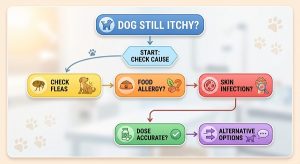
If your dog isn’t improving, don’t just push for a higher dose. Work through this list with your vet:
- Fleas are still around. Even a few bites can set off a flea-allergic dog. Make sure year-round, vet-approved flea control is in place. Our K9 Advantix dosage and safety guide walks through weight-based dosing and safety checks.
- A food allergy is the real driver. Apoquel may help a little, but it won’t replace a proper food trial as the main treatment. A strict 8–12 week elimination diet is the gold standard.
- A skin or ear infection is hiding. Bacteria and yeast cause their own itch, and Apoquel won’t fix them. Skin cytology at the vet can find these in minutes.
- Doses are getting missed. Remember the 12–24 hour window.
- It’s the wrong tool. Some dogs respond better to Cytopoint, cyclosporine, or immunotherapy.
- It isn’t allergy at all. Mites like sarcoptic mange mimic allergy and need a different treatment.
Itch is the symptom, not the diagnosis. A drug that blocks the symptom works best when someone also hunts for the cause.
Apoquel vs Cytopoint vs Zenrelia vs Steroids vs Cyclosporine
Apoquel isn’t the only option. Here’s how the main ones stack up.
| Option | How It’s Given | Speed | Key Strengths | Key Cautions |
|---|---|---|---|---|
| Apoquel (oclacitinib) | Daily tablet | Hours to 1 day | Fast, steroid-free, flexible | Daily dosing; infection and growth warnings |
| Cytopoint (lokivetmab) | Injection every 4–8 weeks | Fast | Given by the vet every four to eight weeks; no daily pills | May wear off before the next shot in some dogs |
| Zenrelia (ilunocitinib) | Daily tablet | Similar to Apoquel | Once-daily from the start | Boxed warning about vaccines |
| Steroids (prednisone etc.) | Tablet | 1–2 days | Cheap, strong for flares | Work fast, but some dogs get unpleasant side effects |
| Cyclosporine (Atopica) | Daily capsule | Weeks | Good for long-term control | Slow start; stomach upset common |
A few extra notes:
Cytopoint is gentler on the body for many dogs. If a dog has a tumor or severe infection, Cytopoint may be the better option. Some vets even combine Cytopoint and Apoquel during bad flare-ups.
Zenrelia is the newer JAK inhibitor. In a 338-dog head-to-head study, Zenrelia showed similar or better relief than Apoquel according to Elanco, and the company priced it about 20% lower. That study came from the manufacturer, so read the claims with that in mind. The bigger deal is safety: its label carries a boxed warning about vaccine-induced disease and poor vaccine response, so vaccines need careful timing. Apoquel doesn’t carry that boxed warning.
Steroids still have a place. They’re great for short flares, and they cost less. Long-term use is where the trouble starts.
There’s no single winner. The best choice depends on your dog’s age, health history, budget, and how well they tolerate pills or injections.
A Handler’s View: Itchy Working Dogs
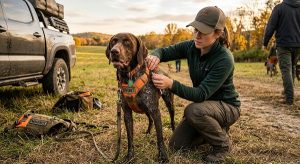
Working dogs live a different life from the average sofa pet. They train in heat, push through brush, swim, and get exposed to ticks, fleas, grass seeds, and dust all day. That’s a lot of allergy triggers.
I’ve seen how itch cuts into a dog’s drive. A dog that’s scratching can’t hold a clean “sit,” can’t settle in a kennel, and loses focus on scent work. Handlers often catch the early signs first: paw licking after training, rubbing on the ground, or a sudden jump in ear shaking.
Here’s what I’d tell any handler:
- Check skin after every session. Run your hands over the belly, armpits, and groin. Fifteen seconds can save you weeks of trouble.
- Treat ticks and fleas as non-negotiable. Our K9 Advantix II tick care guide for working dogs covers field protection in detail.
- Tell your vet about the dog’s job. Heavy exposure, travel, and vaccine timing all change which drug makes sense, especially if a JAK inhibitor is on the table.
- Keep records. Note start dates, doses, itch scores, and any side effects. Handlers who keep logs get better care.
- Don’t let a quick fix hide the real cause. If itch comes back whenever the dog works in a certain place, that location is telling you something.
Recommended Products to Support an Itchy Dog
Apoquel is prescription-only, so it’s not on this list. But a few non-prescription products can support your dog’s skin and comfort while the medication works. Talk to your vet before adding anything new, especially supplements.
Disclosure: As an Amazon Associate we may earn from qualifying purchases at no extra cost to you.
1. Douxo S3 Calm Shampoo: Best for Soothing Itchy, Irritated Skin
If your dog scratches, regular baths with the right shampoo help calm the skin and rinse off allergens. Douxo S3 Calm is one many vets suggest. The brand says it’s clinically proven to reduce the signs of canine atopic dermatitis by 58% and help reduce itching by 41% (manufacturer claims). The usual routine is to massage it in, leave it on for 5–10 minutes, then rinse, repeating every 48–72 hours over three weeks.
Why dog owners like it: it’s soap-free and made for sensitive skin, and the listing shows a 4.6-star rating across more than 3,000 reviews.
👉 Check Douxo S3 Calm Shampoo (6.7 oz) on Amazon
👉 Larger 16.9 oz bottle for multi-dog homes
2. Nordic Naturals Omega-3 Pet Soft Gels: Best Skin and Coat Support
Fish oil is one of the most common add-ons vets suggest for allergic dogs. Each Nordic Naturals soft gel contains 155 mg EPA, 100 mg DHA, and 320 mg total omega-3s, with a weight-based feeding chart on the label. Check the right amount with your vet, since too much fish oil can upset the stomach.
Why dog owners like it: it comes from a brand with a strong reputation, and many reviewers describe softer coats and less dry skin after a few weeks. Results vary, and it won’t replace medication.
👉 See Nordic Naturals Omega-3 Pet (180 soft gels) on Amazon
3. KONG Cloud Collar: Best Soft Recovery Collar for Dogs That Chew and Lick
When a dog chews a hot spot raw, the damage can set the healing back by weeks. A soft inflatable collar can stop that without the clunky plastic cone. The KONG Cloud is washable, comes in five sizes from XS to XL, and doesn’t block eating, drinking, or vision. Measure your dog’s neck first, because the right fit is what makes it work.
👉 Browse KONG Cloud Collars on Amazon
Please remember: none of these replace a vet visit. If your dog has open sores, a bad smell, or swelling, get a professional exam first.
For bath-time technique and coat care basics, our essential dog grooming tips guide covers brushing, bathing, and ear care step by step.
Questions to Ask Your Vet Before Starting Apoquel
Walk in with a short list. Good questions include:
- What’s causing my dog’s itch (fleas, food, environment, or a mix)?
- Does my dog have any infection that needs treating first?
- What dose and schedule will we use, and when do we step down?
- How often should we recheck, and do you want blood work?
- What lumps, symptoms, or behavior changes should I report right away?
- If this doesn’t work, would Cytopoint or another option suit my dog better?
- How does this fit with my dog’s vaccines and other medications?
Frequently Asked Questions
1. How long does it take for Apoquel to work in dogs?
Many dogs feel relief within about four hours, and most settle within 24 hours. The biggest improvement usually shows up over the first week.
2. Is Apoquel safe for long-term use?
Many dogs take it for months or years, and the long-term study data are reassuring so far. The label still warns about infection and growths, so regular checkups are important. Your vet should reassess your dog at least every few months.
3. What happens if I stop giving Apoquel?
The effect wears off within a day or so, and the itch usually returns because the underlying allergy is still there. Never stop and restart on your own. Ask your vet how to taper or switch.
4. Can dogs take Apoquel with other medicines?
Often, yes. Apoquel has been used with NSAIDs, vaccines, and allergy shots without special problems in studies. Always give your vet a complete list of drugs and supplements before starting.
5. What are the best alternatives to Apoquel?
Common options include Cytopoint injections, Zenrelia tablets, cyclosporine, and short courses of steroids. Fixing the cause with flea control, a food trial, or allergy immunotherapy can also reduce how much medication your dog needs.
The Bottom Line
So, does Apoquel for dogs work? For most itchy dogs, yes. It’s fast, it’s steroid-free, and trial data show a large drop in itch within days. Real-world success sits around two-thirds to three-quarters of dogs, which means some need a different plan.
Here’s what to do next:
- Get the cause checked. Fleas, food, and infections can all undermine any drug.
- Track itch daily on a 0–10 scale so you and your vet can see real progress.
- Give it consistently. Missed doses let the itch bounce back.
- Watch for red flags, especially new lumps, skin infections, and long-lasting stomach upset.
- Schedule rechecks for long-term use.
- Support the skin with vet-approved shampoo, omega-3s, and a soft recovery collar if your dog chews.
Your dog can’t tell you how miserable the itch feels. You can still fix it, with a vet in your corner and a clear plan.
Want more vet-informed, handler-tested dog care tips every week? Subscribe to the ARFS K9 Team weekly articles roundup newsletter and get new guides straight to your inbox.
Medical disclaimer: This article is for education only and isn’t a substitute for professional veterinary advice. Always follow your veterinarian’s directions for diagnosis, dosing, and monitoring.

Her work centres on obedience, detection, protection and operational readiness. She favours proven methods built on repetition, consistency and real-world conditioning, so that both dogs and handlers are prepared for high-pressure tasks.
Rofiat represented the Nigerian Army Dog Centre at the Nigerian Army Day Celebration (NADCEL) 2026, where she led demonstrations in obedience, explosive detection, agility and tactical movement. Through articles, training content and documentaries, she shares field-based insight into how structured training, clear communication and trust between handler and dog affect performance and reliability.
She is the author of Beyond the Bark: Inside a Pro Handler's Playbook for Raising the Ideal Dog, a practical guide that helps dog owners and handlers apply professional training principles in everyday situations.
- Food Aggression Dog Training: Pro K9 Guide - November 21, 2026
- DIY Dog Scent Training: Easy 4-Week Home Guide - November 20, 2026
- Buckeye Puppies Review: 5 Red Flags to Check - November 19, 2026