Tibetan Mastiff: Inside the Million-Dollar Guard Dog
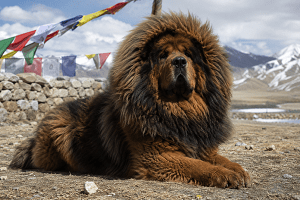
A Tibetan Mastiff is not just a giant fluffy dog; it is a historic livestock guardian, a status symbol, and one of the most expensive dogs ever sold, with a famous reported sale of about $1.9 million to $2 million. In this guide, you’ll learn what drives the breed’s extreme price, how much Tibetan Mastiffs cost today, whether they are dangerous, how they bond, and whether they can live in hot climates.
What makes the Tibetan Mastiff famous
Origins and guardian history
Why one sold for $2 million
How much a Tibetan Mastiff costs today
Temperament, safety, and ownership
Training and socialization
Climate suitability
FAQs
Conclusion
Tibetan Mastiff: Inside the World of the Million-Dollar Guard Dog
If you’ve ever looked at a Tibetan Mastiff and thought, “That looks like a lion in dog form,” you’re not alone. This breed has spent centuries guarding flocks, monasteries, and homes in the Himalayas, and in the modern pet world it became famous for extraordinary prices, including a widely reported sale around $1.9 million to $2 million.[rockykanaka]
What makes the Tibetan Mastiff famous
The Tibetan Mastiff stands out because it combines size, independence, thick coat, and deep guarding instincts. It is known as an ancient guardian breed, originally developed in the Himalayan region to protect livestock, homes, and monasteries from predators such as wolves, bears, and even snow leopards.
Part of the breed’s mystique comes from its image: a massive frame, heavy mane, and a calm but watchful presence. In some markets, especially during the luxury-dog boom in China, Tibetan Mastiffs became symbols of prestige, wealth, and exclusivity rather than just working dogs.
Ancient guardian roots
The Tibetan Mastiff is not a “new” designer breed or a fashion trend. It is a true working dog with old roots, and some references place the breed in writings dating back to 1100 B.C.(wisdompanel). The breed also fits many of the characteristics commonly seen in traditional working and guardian dogs, including independence, alertness, and protective instincts. If you’re interested in understanding how working breeds differ from typical companion dogs, read our guide on what it means for a dog to be a working dog.
Historically, these dogs were used as livestock guardians rather than herding dogs. That matters, because guardian breeds do not think like retrievers or spaniels; they are bred to watch, assess, and act independently when they believe a threat is near. In practical terms, that means a Tibetan Mastiff often decides for itself when a person or animal feels welcome.
Why one sold for $2 million
The headline sale that made the breed world-famous reportedly reached about $1.9 million, and many people still refer to it as the “$2 million dog.” The price was not about pet companionship alone; it was driven by rarity, pedigree, size, coat color, and status signaling.[youtube][rockykanaka]
Here is the simple version of why the number got so high:
Rarity: Purebred Tibetan Mastiffs were seen as uncommon and desirable.
Pedigree: A champion bloodline can dramatically increase value in elite dog markets.
Status: In some circles, owning one became a luxury statement, similar to wearing a rare watch or driving an exotic car.
Appearance: The golden coat and imposing build made certain dogs especially marketable.
Cultural symbolism: The breed carried strong protective and prestige associations.
That said, the $2 million sale was an extreme outlier, not a normal market price. It reflects a very specific period of luxury-breed hype, not the current average value of the breed.
What Tibetan Mastiffs cost today
Today, most Tibetan Mastiff puppies are nowhere near millionaire territory. A current price guide places reputable-breeder puppies roughly between $1,000 and $6,000, with an average around $2,920.[dogster]
That range can shift based on several factors:
Breeder reputation and health testing.
Bloodline and show-quality potential.
Coat color and physical type.
Location and shipping or transport costs.
Whether the dog has early training or special registration.
You should also budget beyond purchase price. A giant, heavy-coated guardian dog eats more, needs stronger fencing, regular grooming, and often higher veterinary bills than a smaller companion breed. Even before emergencies, the long-term ownership cost can rise quickly for a dog of this size and coat type.
Temperament and guarding instincts
A Tibetan Mastiff is typically loyal, protective, and reserved with strangers. When properly raised, socialized, and trained, it can be a devoted family companion, but it is still a serious guardian breed with strong territorial behavior.
This is not the kind of dog that naturally wants to greet every visitor with tail wags. Several breed guides and behavior sources note that Tibetan Mastiffs may bond strongly with their owners while remaining suspicious of unfamiliar people.
From a handler’s point of view, that means you are managing instinct, not erasing it. If you work with one, you need to respect the breed’s self-reliant mindset and build trust through structure, calm leadership, and consistent boundaries.
Are Tibetan Mastiffs dangerous to own?
They can be dangerous in the wrong hands, yes. A vet-reviewed breed article notes that Tibetan Mastiffs are not inherently dangerous if properly trained and socialized, but they can become a safety risk when undertrained, poorly managed, or allowed to develop unchecked territorial behavior.
For owners of protective breeds, the goal should never be aggression but control. Our article on basic protection commands for family dogs explains how to build a reliable guardian that remains safe around family members, visitors, and everyday situations.
That risk comes from a few traits:
Strength and size, which make any bite or collision more serious.
Independence, which can make recall and compliance harder.
Wariness of strangers, which can lead to defensive reactions.
Territorial instincts, which can trigger overprotection of home or family.
In plain English, this is not a beginner dog. If someone wants a Tibetan Mastiff because it looks impressive, but they do not have time, space, or dog-handling experience, the breed can become a liability.
Thinking about owning a powerful guardian breed? Many first-time owners underestimate how much psychology, structure, and leadership influence a dog’s behavior. In Beyond the Bark: Inside a Pro Handler’s Playbook for Raising the Ideal Dog, you’ll learn the same practical principles professional handlers use to build stable, obedient, and trustworthy dogs from puppyhood onward. Whether you own a Tibetan Mastiff, German Shepherd, Rottweiler, or family companion, the lessons can help you avoid common mistakes and develop a stronger relationship with your dog.
Do Tibetan Mastiffs bond with one person only?
Not exactly, but they often do form a very strong attachment to a primary handler or owner. Some breed descriptions emphasize deep loyalty and intense devotion to the person they trust most, while others note they can still be affectionate with the whole family once settled in the home.
The phrase “one-person dog” is a bit oversimplified. A better way to think about it is this: Tibetan Mastiffs usually choose their inner circle carefully, and they may be less socially open than many family breeds.
If you live with one, you’ll likely notice that the dog watches, evaluates, and then decides who belongs. That makes the bond feel especially deep when it happens, but it also means you should socialize early so the dog does not define “family” too narrowly.
Training and socialization
Training should start early, because waiting is a mistake with this breed. One breed reference warns that if you wait until a Tibetan Mastiff is 6 months old, you may already be dealing with a larger, headstrong adult dog; it recommends puppy kindergarten by 10 to 12 weeks when possible.
A sensible training roadmap looks like this:
8 to 16 weeks: Prioritize calm exposure to people, sounds, surfaces, and normal household activity.
4 to 6 months: Reinforce controlled introductions and teach the puppy what “normal” visitors look like.
6 months and beyond: Keep socialization going while maintaining clear boundaries and reliable routines.
For a Tibetan Mastiff, socialization is not about making the dog “friendly to everyone.” It is about teaching the dog to stay neutral, calm, and under control around everyday life. That distinction matters a lot with guardian breeds.
Many owners make the mistake of trying to “dominate” independent guardian breeds. In reality, successful training comes from structure and consistency. Learn more in our article on dominance versus discipline in dog training.
Climate and hot weather
This breed is better suited to cool or moderate climates than hot, humid ones. Multiple breed-care sources note that Tibetan Mastiffs do not do well in hot weather because of their thick double coat, and they can be especially uncomfortable in humid heat.
Some practical guidance from breed and care resources suggests:
Hot, humid climates are a poor fit.
Dry heat is generally easier than humidity, but still requires caution.
Shade, water, and limited exercise are essential in warm conditions.
Signs of heat stress should be taken seriously because the coat is built for mountain weather, not tropical afternoons. Owners living in warm regions should also understand the early warning signs of dehydration and heat-related illness. Our guide on dehydration in dogs and hot-weather safety covers symptoms every owner should recognize before an emergency develops.
If you live somewhere warm, you need to think hard before choosing this breed. Even a powerful guardian dog can struggle when the environment works against its physiology.
Real-world ownership realities
This is the part many glossy articles skip: a Tibetan Mastiff is expensive to buy, but even more expensive to live with. Grooming a dense double coat takes time, and managing a giant guardian dog means investing in training, secure fencing, and a lifestyle that fits the breed’s needs.
You should also expect the dog to be mentally independent. That can be wonderful if you understand working-dog behavior, but frustrating if you want constant obedience or a naturally social “everybody’s friend” temperament.
Anecdotally, experienced owners often describe the breed as deeply loyal but not eager to please in the way a Border Collie or Labrador might be. That is why many handlers respect the Tibetan Mastiff as a partner, not a pet that simply follows orders.
Buying a Tibetan Mastiff wisely
If you are seriously considering one, do not shop on looks alone. Start with health testing, temperament history, and breeder transparency, because an impressive coat can hide poor genetics or weak behavior.
Before buying, ask these questions:
What health tests were done on the parents?
How was the puppy socialized from 8 weeks onward?
Is the breeder producing calm, stable guardians or just oversized show dogs?
Will the dog live in a climate that suits the breed?
Do you have time and experience for early training and lifelong management?
For many people, the honest answer will be no. That is not a failure; it simply means the breed is not the right match.
Best fit owners
A Tibetan Mastiff usually suits someone who has:
Large-property living or secure outdoor space.
Experience with guardian or large working breeds.
Time for early and ongoing socialization.
Comfort with independent, protective dogs.
A cooler climate or excellent climate control.
It is generally not ideal for first-time dog owners, apartment life, or households that expect a highly social, easygoing dog. The breed’s strengths are real, but so are its management demands.
Frequently Asked Questions
1. Why did a Tibetan Mastiff sell for $2 million?
Because the dog combined rarity, a prized bloodline, impressive appearance, and huge status value during a luxury-dog craze. The reported sale around $1.9 million became famous worldwide, but it was an extraordinary exception, not the normal market price.
2. Are Tibetan Mastiffs dangerous to own?
They can be dangerous if they are poorly trained, under-socialized, or handled by inexperienced owners. Properly raised Tibetan Mastiffs can be loyal and stable, but they are strong, territorial guardian dogs, so they require serious management.
3. How much does a Tibetan Mastiff actually cost today?
Most reputable-breeder puppies are currently reported around $1,000 to $6,000, with one 2026 guide listing an average near $2,920. Exceptional bloodlines, show potential, and breeder reputation can push that higher.
4. Do Tibetan Mastiffs bond with one person only?
They often bond most strongly with one primary person, but they can still love the rest of the family if raised well. They are selective, loyal, and protective rather than universally social.
5. Are Tibetan Mastiffs good in hot climates?
Generally, no. Their thick double coat makes them a poor fit for hot, humid weather, and multiple breed-care sources warn that they need special caution in heat.
Conclusion
The Tibetan Mastiff earned its reputation the hard way: through centuries of real guarding work, not marketing hype. Its million-dollar fame came from a rare moment in the luxury pet market, but the everyday reality is simpler, this is a powerful, independent, deeply loyal guardian dog that needs the right owner, climate, and training.
If you want one, treat the decision like hiring a security professional, not buying a cute companion. Make sure you can handle the size, coat, temperament, and long-term responsibility before you fall in love with the lion-like look.

Her work centres on obedience, detection, protection and operational readiness. She favours proven methods built on repetition, consistency and real-world conditioning, so that both dogs and handlers are prepared for high-pressure tasks.
Rofiat represented the Nigerian Army Dog Centre at the Nigerian Army Day Celebration (NADCEL) 2026, where she led demonstrations in obedience, explosive detection, agility and tactical movement. Through articles, training content and documentaries, she shares field-based insight into how structured training, clear communication and trust between handler and dog affect performance and reliability.
She is the author of Beyond the Bark: Inside a Pro Handler's Playbook for Raising the Ideal Dog, a practical guide that helps dog owners and handlers apply professional training principles in everyday situations.
- Bousnic Dog Training Collar Review: Is It Safe? - September 30, 2026
- Gravy Train Dog Food Review: Ingredients & Recalls - September 30, 2026
- How to Spot Fake AKC Registered Dogs: 5 Warning Signs - September 29, 2026