Dog Bite Warning Signs Most Owners Miss
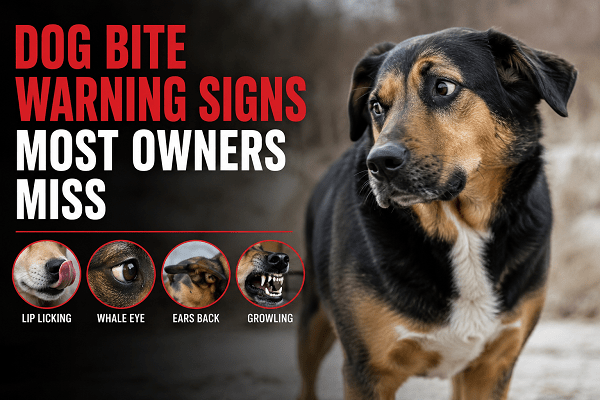
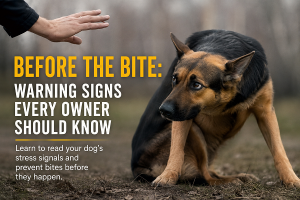
Most dog bites do not happen “out of nowhere.” Dogs usually give warning signs first, but many people miss the early body-language cues and only notice the problem when the dog is already close to biting. That matters because dog bites are a major public health issue worldwide; the WHO says dog bites account for tens of millions of injuries annually, and in the U.S. about 4.5 million people are bitten by dogs every year.
In this article, you’ll learn the dog bite warning signs most owners miss, how to tell anxiety from aggression, which triggers raise bite risk, and what to do before a situation escalates. I’ll also cover practical prevention steps you can use at home, on walks, and around children.
Table of contents
Introduction
Why owners miss the warning signs
The subtle early signals
Escalation signs you should never ignore
Common situations that trigger bites
What to do when you spot warning signs
Preventing bites at home and in public
FAQs
Conclusion
Why Owners Miss Them
One reason people miss warning signs is that many of the earliest signals are subtle and easy to misread as “cute” or harmless behavior. Dogs Trust reported that large numbers of owners failed to recognize common stress signals such as yawning, lip licking, and turning the head away, which can all mean a dog needs space. In the same way, a dog rolling onto its back is not always asking for belly rubs; it can be a sign of discomfort or appeasement.
Another reason is that owners often look for obvious aggression, like barking or snapping, and forget that a dog usually climbs a ladder of stress before it reaches that point. If you learn the earlier rungs of that ladder, you can intervene long before a bite. If you’re still learning how dogs communicate discomfort, our guide on understanding dog body language explains many of these subtle signals in greater detail and can help you recognize stress before it escalates into aggression.
Early Warning Signs
These are the subtle dog bite warning signs most owners miss, especially when they happen alone rather than in a cluster.
1. Lip licking and nose licking
Quick lip licking, nose licking, or a “tongue flick” can signal stress, uncertainty, or discomfort. In a calm dog, it may happen occasionally; in a worried dog, it often appears repeatedly and in response to being approached, touched, or crowded.
2. Yawning when not tired
Yawning can be a calming or stress signal, not just a sign of sleepiness. If a dog yawns while being hugged, handled, or stared at, that dog may be asking for space.
3. Turning the Head Away
A dog that turns its head away is often trying to reduce pressure and avoid conflict. This is especially important when the dog is being reached for by strangers or children.
4. Avoiding Eye Contact
Avoiding eye contact can be a polite “please stop” signal. It is easy to overlook because many owners think the dog is merely shy, but in context it often means the dog is uneasy.
5. Ears Pulled Back
Ears pinned back or flattened can indicate worry, fear, or submission, especially when paired with low body posture or lip licking. On dogs with erect ears, this is often one of the clearest early signals that something is wrong.
6. Tail Tucked or Held Low
A tucked tail is one of the most recognizable stress signals, but people still misread it as “being good” or “being calm”. A low tail with only the tip wagging can also mean tension rather than friendliness.
7. Body Crouching or Shrinking
When a dog crouches, leans away, or tries to make itself smaller, it is often trying to create distance. This is not the body language of a dog that wants more attention.
8. Freezing in Place
Freezing is a big one because it often gets missed. A dog that suddenly stops moving, closes its mouth, and goes very still may be preparing to escalate if the pressure continues. In many cases, freezing is the last warning before a snap or bite.
9. Whale Eye
“Whale eye” means the whites of the eyes are visible, often because the dog is looking sideways while holding tension in the body. It is commonly seen when a dog feels trapped around food, toys, a couch, or a person invading space.
10. Raised Paw
A front paw lift can be a mild stress signal, especially when the dog is uncertain or conflicted. Owners often mistake it for cuteness or focus, but context is everything.
Escalation Signs
When the early signals are ignored, many dogs move into louder, more obvious warnings. These signs do not mean a bite is guaranteed, but they do mean the dog is running out of tolerance.
1. Stiff, Tense Body Posture
A rigid body, locked legs, and a squared stance are classic warning signs. A relaxed dog moves fluidly; a tense dog looks like it is bracing.
2. Hard Stare
A fixed, intense stare is not playful. It often signals arousal, guarding, or a dog preparing to react.
3. Raised Hackles
Raised hair along the neck or back indicates arousal and can accompany fear or aggression. It does not always mean “attack,” but it does mean pay attention immediately.
4. Growling or Snarling
Growling is a warning, not “bad behavior.” The RSPCA notes that dogs often give “leave me alone” signals before a bite, and growling or snarling is one of the clearer ones. Punishing the growl can remove the warning without removing the discomfort, which increases danger. This is one reason modern trainers focus on communication and discipline rather than outdated dominance-based methods. Understanding the difference can dramatically reduce conflict between dogs and owners.
5. Lip Lifting and Bared Teeth
A curled lip or exposed teeth is a direct escalation. At this stage, the dog is no longer being subtle.
6. Snapping or Air Biting
Snapping at the air is a serious warning that the dog is trying to increase distance. People often laugh it off once, but repeated air snapping is a strong sign the dog is near its limit.
7. Lunging
Lunging can happen from fear, guarding, frustration, or territorial behavior. It is the behavior many owners only notice after all the quieter warnings were missed.
Triggers to Watch
The same dog can seem fine in one setting and reactive in another because triggers matter. Common situations that increase bite risk include handling around food, sleeping, toys, and resting areas. Children are especially vulnerable because they are often close to a dog’s face and may move unpredictably; one Johns Hopkins summary noted that ages 0–9 accounted for 80% of pediatric dog bite injuries in the data reviewed, and 62% affected the head and face.
These are high-risk moments:
Reaching for a dog while it eats or chews.
Waking a dog from sleep.
Hugging, crowding, or staring at a nervous dog.
Taking toys, bones, or beds away suddenly.
Letting children run at or climb on a dog.
How Bites Develop
A bite usually follows a pattern: discomfort, distance-seeking signals, escalation, and then a final defensive action if the dog feels trapped. That pattern is important because many owners think the dog “changed suddenly,” when in reality the dog had been communicating for a while.
A useful example is a dog on the couch that first licks its lips when a child climbs beside it, then turns its head away, then freezes when hugged, then growls when squeezed, and finally snaps if the pressure continues. The bite is the end of the conversation, not the beginning.
What to do Immediately
If you spot warning signs, do not punish, crowd, or keep pushing the dog “so it gets used to it.” Instead, increase space and reduce pressure right away. That is the fastest way to lower risk.
Use this approach:
Stop touching or reaching for the dog.
Give the dog a way to move away.
Remove children or other pets from the area.
Avoid eye contact and sudden movement.
Calmly redirect the situation without excitement.
If the behavior is repeated, contact a qualified trainer or behavior professional.
In many cases, repeated warning signs are linked to common handling errors. Reviewing these dog handling mistakes that quietly damage training progress can help identify habits that may be increasing your dog’s stress levels.
If the dog is guarding food, toys, or a resting spot, do not try to “win” the moment. Back off and manage the environment instead.
Prevention at Home
Prevention works best when the whole household follows the same rules. The CDC and pediatric safety guidance consistently emphasize supervision, especially around children, and avoiding rough play or disturbing a dog while it eats or rests. That advice is backed by the fact that dog bite injuries remain common enough to create significant medical and public health burden.
Try these habits:
Teach children to ask before touching a dog.
Never allow face-to-face hugging with unfamiliar dogs.
Feed dogs in a quiet area.
Keep toys and chews separate when conflict is likely.
Teach a “leave it” and “go to mat” routine. Structured commands such as the Place command can give your dog a safe location to settle during stressful situations and help prevent unwanted confrontations.
Watch for subtle stress in new dogs, rescue dogs, and adolescent dogs.
Prevention in Public
On walks or in public spaces, the safest assumption is that every unfamiliar dog deserves space. Many incidents happen because people reach toward dogs they do not know or let children rush in to pet them. Even friendly-looking dogs can bite if they feel cornered or startled.
A simple public rule set:
Ask the handler before approaching.
Let the dog approach first.
Pet briefly on the chest or shoulder area, not over the head.
Stop if the dog turns away, stiffens, or licks its lips.
Do not lean over the dog.
When to Get Help
If your dog shows repeated warning signs, does not tolerate handling, guards resources, or has already snapped, get professional help early. A good behavior professional can assess triggers, help you build a safety plan, and reduce the chance of escalation. Professional trainers spend significant time learning to recognize stress signals and emotional thresholds before behavior problems become dangerous. The same principles used in advanced working-dog programs apply to family dogs as well.
For more serious cases, especially where bites have already happened, work with a veterinarian and a qualified behavior specialist. Medical issues, pain, anxiety, and fear can all contribute to aggression, so it is smart to rule out health problems as well.
Frequently Asked Questions
1. What are the first signs a dog may bite?
The earliest signs are often subtle: lip licking, yawning, turning away, avoiding eye contact, a tucked tail, or freezing. These signals usually appear before growling or snapping.
2. Does a wagging tail mean a dog is friendly?
Not always. A stiff, high, or fast wag can signal arousal or tension, and even aggressive dogs may wag their tails. Body language and context matter more than the tail alone.
3. Is growling always a bad sign?
Growling is a warning that the dog is uncomfortable, not a sign of malice. It is often better to respect the warning than to punish it.
4. Why do children get bitten more often?
Children are shorter, move unpredictably, and may hug, stare at, or disturb dogs while eating or sleeping. The risk rises when adults assume a familiar dog is automatically safe.
5. Can a friendly dog still bite?
Yes. A friendly dog can bite if it is frightened, painful, overwhelmed, or pushed past its comfort zone. Even sociable dogs need space and clear boundaries.
Conclusion
Dog bite warning signs are usually there, but they are often subtle enough that owners miss them until the situation is already serious. If you learn to spot lip licking, yawning, head turning, freezing, stiff posture, hard staring, and growling, you can prevent many bites before they happen.
The practical rule is simple: when a dog asks for space, give it. That one habit protects children, visitors, and the dog itself, and it is the foundation of safe dog ownership everywhere.

Her work centres on obedience, detection, protection and operational readiness. She favours proven methods built on repetition, consistency and real-world conditioning, so that both dogs and handlers are prepared for high-pressure tasks.
Rofiat represented the Nigerian Army Dog Centre at the Nigerian Army Day Celebration (NADCEL) 2026, where she led demonstrations in obedience, explosive detection, agility and tactical movement. Through articles, training content and documentaries, she shares field-based insight into how structured training, clear communication and trust between handler and dog affect performance and reliability.
She is the author of Beyond the Bark: Inside a Pro Handler's Playbook for Raising the Ideal Dog, a practical guide that helps dog owners and handlers apply professional training principles in everyday situations.
- Purina Pro Plan Sport 30/20 Review: Is It Safe for K9s? - October 3, 2026
- Is K9 Advantix Safe for Dogs? A Handler’s Honest Review - October 2, 2026
- Australian Cattle Dog vs Blue Heeler: Any Difference? - October 1, 2026