Breed of Dog Lhasa Apso: Pros, Cons & Care
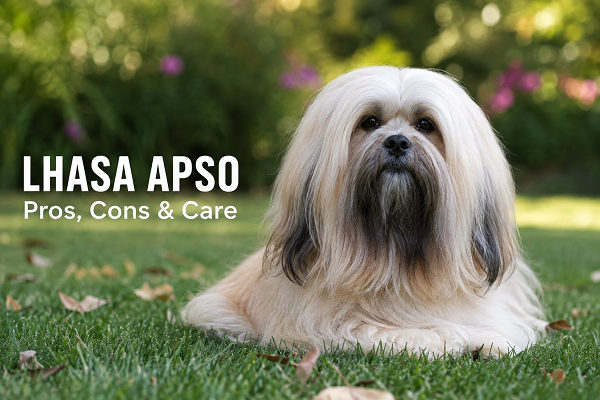
The Lhasa Apso is a small, long-lived Tibetan breed (12–15 years, sometimes into the 20s) best suited for owners who want an alert, loyal watchdog and don’t mind daily brushing or regular professional grooming. They’re excellent for apartments and calmer households, but they can be strong-willed to train, standoffish with strangers, and prone to specific eye, kidney, and joint issues without proper health screening.
Table of Contents
- What Is a Lhasa Apso? A Quick History
- Lhasa Apso Temperament: What They’re Really Like
- Pros of Owning a Lhasa Apso
- Cons and Challenges to Consider
- Lhasa Apso vs. Shih Tzu: What’s the Difference?
- Grooming and Coat Care
- Health Issues and Lifespan
- Training and Socialization
- Exercise and Daily Needs
- Diet and Nutrition
- What Does a Lhasa Apso Really Cost?
- Is a Lhasa Apso Right for You?
- FAQs
- Final Thoughts
Introduction
If you’ve ever watched a small dog with a floor-length coat strut through a room like it owns the mortgage, you’ve met a Lhasa Apso. I’ve handled everything from high-drive Belgian Malinois in security work to tiny, stubborn companion breeds like this one, and I can tell you the Lhasa Apso is one of the most misunderstood small dogs out there. People either adore them for life or give them up within the first year, and the difference almost always comes down to whether the owner actually knew what they were signing up for.
This guide gives you the real picture; the good, the genuinely frustrating, and the practical care details that don’t show up in the cute photos on Instagram. By the end, you’ll know exactly what this breed costs to keep, which health problems to screen for, and whether you’re actually a good match for one.
What Is a Lhasa Apso? A Quick History
The Lhasa Apso isn’t a modern designer breed, this dog has been doing its job for roughly 2,800 years. It originated in Tibet, where it worked as an indoor sentinel in Buddhist monasteries and the homes of Tibetan nobility, according to breed-club records from the American Lhasa Apso Club. Its Tibetan name roughly translates to “bearded lion dog,” and monks called it the “bark lion sentinel dog” because of its actual job: sit near the doorway, listen for anything unusual, and sound the alarm while the much bigger Tibetan Mastiffs handled defense outside.
That history explains almost everything about the breed’s personality today. Nobody bred this dog to herd sheep or retrieve ducks. They bred it to sit, watch, and alert and that’s still exactly what most Lhasas do in living rooms across the US, UK, and Europe.
The breed reached the West in the 1930s, when explorer Charles Suydam Cutting brought a pair back to the United States as a gift from the 13th Dalai Lama. The American Kennel Club officially recognized the Lhasa Apso in 1935, first in the Terrier Group, then moved it to the Non-Sporting Group in 1959, where it still sits today. In the UK, the Kennel Club places the breed in the Utility Group instead. As of the AKC’s most recent popularity rankings, the Lhasa Apso sits in the middle of the pack among roughly 200 recognized breeds, not a top-ten dog, but a steady, enduring favorite among people who actually know what they’re getting.
Lhasa Apso Temperament: What They’re Really Like
Don’t let the size fool you. This isn’t a lapdog in the fragile, needy sense, Lhasas are confident, occasionally bossy, and they carry themselves with a dignity that’s honestly a little funny packed into a 13–18 pound frame.
A few defining traits every prospective owner should know:
- Aloof with strangers. Unlike a Golden Retriever greeting every visitor like a long-lost friend, a Lhasa will size someone up first. That’s not aggression, it’s the watchdog instinct doing exactly what it was bred to do centuries ago.
- Deeply loyal to their people. Once a Lhasa bonds with you, expect a shadow. I’ve seen Lhasas follow their owner from room to room for years; it’s part of the charm and part of why separation anxiety can creep in if you’re not careful.
- Independent-minded. Lhasas were never bred to take direction from a handler across a field. They think for themselves, which surprises handlers of working breeds like German Shepherds or Malinois the first time they meet one.
- Alert and vocal. That “bark lion” title wasn’t decorative. Lhasas will bark at the doorbell, the mail truck, a leaf blowing past the window, anything that seems off-script.
Pros of Owning a Lhasa Apso
Here’s why this breed has stuck around for nearly 3,000 years.
- Small size, big presence. At 10–11 inches tall and 12–18 pounds, Lhasas fit comfortably into apartments and smaller homes without the fragile, anxious energy some toy breeds carry.
- Exceptional lifespan. Most Lhasas live 12–15 years, and healthy ones reaching their late teens isn’t unusual. A 2024 UK longevity study found Lhasa Apsos average around 14 years, compared with 12.7 years for purebreds generally, genuinely one of the longer-lived small breeds. The oldest verified Lhasa Apso on record lived to 29, an extraordinary outlier, but it speaks to how sturdy the breed can be with good genetics.
- Natural watchdog instincts. If you want a small dog that actually tells you when someone’s at the door, Lhasas deliver reliably. They take their sentinel job seriously.
- Low exercise requirements. Two or three short walks a day plus some indoor play is genuinely enough. That makes them a solid option for older owners, apartment dwellers, or anyone with reduced mobility.
- Minimal shedding (with the right coat care). A Lhasa’s coat grows continuously, more like human hair than a seasonal-shed coat, which some allergy-sensitive households find more manageable, though no breed is truly 100% hypoallergenic.
- Comedic, entertaining personality. Ask any longtime Lhasa owner and they’ll tell you the same thing: these dogs are funny. Strong opinions, dramatic reactions to bath time, and a stubborn streak that somehow becomes endearing once you know them.
Cons and Challenges to Consider
Now the part a lot of breed write-ups gloss over.
- Grooming is a real, ongoing commitment. That signature floor-length coat doesn’t maintain itself. Skip a few days of brushing and you’re dealing with painful mats close to the skin, not a cosmetic issue, but something that can cause genuine discomfort and skin infections.
- Stubborn during training. Lhasas rank fairly low on trainability in canine researcher Stanley Coren’s well-known intelligence rankings, not because they’re unintelligent, but because they’re not naturally eager to please the way retrievers or shepherds are. Housetraining in particular runs long: some Lhasas take 4–6 months to become fully reliable, longer than the average for most small breeds.
- Wary of strangers and other pets if under-socialized. Without consistent, early exposure, that watchdog alertness can tip into excessive suspicion or reactivity toward guests and unfamiliar dogs.
- Not naturally great with very young children. Lhasas can do fine with kids taught to respect a dog’s space, but they’re not the roll-around, endlessly tolerant type like a Labrador. Rough handling from a toddler can trigger a snap, so supervision isn’t optional.
- Prone to specific eye, kidney, and joint conditions. More on this below, this isn’t a breed you can assume will stay trouble-free without responsible breeding and regular vet checks.
- Barking can become a habit. That alert bark is useful right up until it’s 6 a.m. and your neighbor’s cat walked by. Bark management needs to start early, not after it’s an ingrained habit.
Lhasa Apso vs. Shih Tzu: What’s the Difference?
This is one of the most common questions people ask before choosing between the two, and it makes sense, Shih Tzus are actually descended in part from Lhasa Apso bloodlines, and the two breeds get confused constantly.
The short answer: Lhasa Apsos are more independent, more watchdog-oriented, and slightly more reserved with strangers. Shih Tzus were bred purely as companion dogs for Chinese royalty and tend to be friendlier with new people right out of the gate, with less of that “aloof sentinel” streak.
| Factor | Lhasa Apso | Shih Tzu |
|---|---|---|
| Origin purpose | Indoor monastery watchdog | Palace companion dog |
| Temperament with strangers | Reserved, alert | Generally more outgoing |
| Trainability | Independent, stubborn | Slightly more eager to please |
| Coat | Long, hard, straight | Long, soft, silky |
| Average lifespan | 12–15 years | 10–16 years |
| Typical breeder price (US) | $800–$1,500 | $700–$2,000+ |
| Grooming needs | High | High |
Neither breed is objectively “better”, it genuinely depends on whether you want a dog that alerts you to everything (Lhasa) or one that’s a bit more universally friendly from day one (Shih Tzu). Grooming costs and coat maintenance are comparable for both, so don’t let that factor sway the decision alone.
Grooming and Coat Care
This is where a lot of new Lhasa owners get blindsided. The coat is gorgeous, but it’s genuinely a part-time job.
What full coat maintenance actually looks like:
- Daily brushing (10–15 minutes) is realistic for a coat kept long, using a pin brush and metal comb to work through the dense double coat layer by layer.
- Bathing every 2–4 weeks with a conditioning shampoo formulated for long-haired breeds.
- Professional grooming every 6–8 weeks if you keep the coat trimmed shorter, a “puppy cut” or “teddy bear trim,” which is what most pet owners choose. Expect to pay roughly $50–$90 per session in the US, more in major metro areas, and broadly similar in the UK and EU once converted.
- Regular tear-stain cleaning around the eyes, plus a hair-tie or clip to keep long facial hair out of their eyes.
- Nail trims every 3–4 weeks and weekly ear checks, since the drop ears trap moisture.
My honest advice: unless you’re planning to show your Lhasa, get the coat trimmed short (1–2 inches) year-round. It cuts daily brushing time dramatically and reduces matting risk without sacrificing a bit of the breed’s personality.
If grooming commitment is the deciding factor for you, it’s worth comparing the Lhasa against genuinely lower-upkeep breeds before you commit, our team put together a full breakdown of low-maintenance dog breeds with basic grooming needs that’s worth reading side by side with this one. And whatever breed you land on, the fundamentals of a good grooming routine are covered in our essential dog grooming guide, which applies just as much to an adult Lhasa as it does to a puppy.
Health Issues and Lifespan
Lhasa Apsos are a relatively hardy breed, but they’re not immune to genetic conditions common in small, long-backed dogs. Reputable breeders screen for these, know them before you buy or adopt.
| Condition | What It Is | What to Watch For |
|---|---|---|
| Progressive Retinal Atrophy (PRA) | Gradual retinal degeneration that can lead to blindness | Night-time clumsiness, reluctance to go outside after dark |
| Hip Dysplasia | Malformed hip joint | Limping, difficulty with stairs, reduced activity |
| Patellar Luxation | Kneecap slips out of place | Sudden skip in gait, hopping on a back leg |
| Renal Cortical Hypoplasia (familial nephropathy) | Underdeveloped kidney tissue, breed-linked | Excessive thirst/urination, weight loss in young dogs |
| Keratoconjunctivitis Sicca (dry eye) | Reduced tear production | Red, irritated eyes; thick discharge |
| Cherry Eye | Prolapsed third eyelid gland | Visible red mass in the corner of the eye |
Practical steps that actually reduce risk:
- Ask breeders for OFA (hip, patella) and CERF/CAER (eye) certification on both parents.
- Schedule annual eye exams starting around age 2, since PRA often develops gradually.
- Keep your Lhasa at a lean weight, extra pounds accelerate joint wear on those short little legs.
- Budget for annual bloodwork after age 7 to catch kidney issues early, since the breed carries a genetic predisposition to certain renal conditions.
In terms of what typically shortens a Lhasa’s life, it’s rarely one dramatic event. Most Lhasas that don’t reach their expected 12–15 years are affected by age-related organ decline (particularly kidney function) or complications from untreated joint and eye conditions, which is exactly why the screening steps above matter so much. With good preventive care, most Lhasas live full, healthy lives well into their teens, and plenty push past that.
Training and Socialization
I won’t sugarcoat it, Lhasas are smart, but “smart” and “easy to train” aren’t the same thing. This breed thinks in terms of “what’s in it for me,” not “how do I please my handler,” which is a completely different mindset from working breeds bred for centuries to take direction.
What actually works:
- Short, high-value sessions. Five to ten minutes, twice a day, beats one long frustrating session. Use real treats, not just praise, Lhasas are food-motivated but not naturally people-pleasing the way a Golden Retriever is.
- Crate training early. It helps enormously with housetraining and gives your Lhasa a den-like space that suits their independent nature. If you’re starting from scratch, our step-by-step crate training guide covers the timeline and common mistakes owners make in week one.
- Consistent socialization from 8–16 weeks. This is the critical window. Controlled exposure to new people, sounds, surfaces, and calm dogs during this period makes a measurable difference in reducing adult wariness and reactivity.
- Patience with housetraining. Set a realistic expectation of 4–6 months for full reliability, and use a consistent schedule and designated potty spot rather than free-range access early on.
- Bark and bite management from day one. Teach a “quiet” cue as soon as barking starts, rather than waiting until it’s an established habit at six months old. The same early-intervention logic applies to nipping in puppyhood, our guide on how to stop a puppy from biting uses the same redirection principles that work well with a stubborn Lhasa pup.
If you want a deeper, structured framework for working through stubborn behaviors in any breed, not just working dogs, I put together a full playbook based on 14 years of hands-on handling called Beyond the Bark: Inside a Pro Handler’s Playbook for Raising the Ideal Dog. It’s not written specifically for Lhasas, but the foundational obedience and consistency principles apply directly to an independent-minded companion breed like this one.
Exercise and Daily Needs
Good news for less active households: Lhasas are not high-energy dogs. Two 15–20 minute walks a day, combined with some indoor play or a short backyard session, covers most of their physical needs.
That said, don’t confuse “low exercise” with “no mental stimulation needed.” Lhasas get bored, and bored Lhasas find their own entertainment, usually something you won’t love, like chewing a shoe or barking at nothing for twenty minutes. Puzzle feeders, short training games, and sniff walks (letting them explore at their own pace rather than power-walking) go a long way toward keeping them content.
Diet and Nutrition
Lhasa Apsos do best on a high-quality diet formulated for small breeds, since their kibble size, calorie density, and nutrient ratios differ from what’s ideal for larger dogs.
General nutrition guidelines:
- Feed a diet with real animal protein as the first ingredient, small breeds have fast metabolisms relative to their size and need calorie-dense food in smaller portions.
- Split daily food into 2 meals rather than one large one, which helps prevent the blood sugar dips small breeds are prone to.
- Watch calorie intake closely. A few extra treats matter a lot more on a 15-pound dog than a 70-pound one, and obesity is one of the fastest ways to worsen joint and heart issues in this breed.
- Because of the breed’s kidney predisposition, ask your vet about lower-sodium, moderate-protein options as your Lhasa moves into their senior years (typically after age 8–9).
- Keep fresh water available at all times, and be mindful that long facial hair can trap food and water around the mouth, wipe down after meals to prevent skin irritation (“food beard” dermatitis is a common, real complaint).
What Does a Lhasa Apso Really Cost?
Budgeting matters, and Lhasa ownership carries some costs people underestimate, mostly grooming, not food.
Upfront costs:
- Reputable breeder: $800–$1,500 (higher for show-quality lines)
- Adoption through rescue: $150–$500, often including initial vaccinations and spay/neuter
Annual ongoing costs (US averages, broadly comparable across UK/EU once converted):
- Food (small-breed quality kibble): $300–$500/year
- Grooming (professional trims every 6–8 weeks): $400–$700/year
- Routine vet care (annual exam, vaccines, preventives): $300–$500/year
- Pet insurance (optional but recommended given breed-specific eye/kidney risks): $300–$600/year
All told, expect somewhere between $1,300 and $2,300 per year for a healthy Lhasa Apso, before accounting for any unexpected vet bills. That grooming line item is the one first-time small-dog owners most often forget to plan for.
Is a Lhasa Apso Right for You?
Quick self-check before you commit:
- ✅ You want a small dog with a big personality and genuine watchdog instincts
- ✅ You’re comfortable with daily brushing or budgeting for regular professional grooming
- ✅ You live in an apartment, condo, or don’t have a big yard
- ✅ You have patience for a dog that’s smart but independent, not eager to please
- ✅ Your household includes older kids (or none) rather than toddlers who might handle a dog roughly
Is a Lhasa Apso a good dog for seniors? Generally, yes. Their low exercise needs, manageable size, and strong watchdog instincts make them a popular choice among older owners, as long as the grooming routine is budgeted for (either by the owner or through professional trims) and the dog’s independent streak isn’t mistaken for low affection.
If most of that self-check sounds like your situation, a Lhasa Apso is worth serious consideration. If you’re picturing an off-leash hiking buddy or a dog that will happily let a two-year-old climb on it, you’re probably better matched with a different breed. Still weighing your options against other protective or family-friendly breeds? Our trainer-picked breakdown of the best protective family dogs is worth reading before you make a final call.
Trainer’s Note: A Word on Experience
I’ve spent 14 years working hands-on with dogs across the spectrum, from high-drive working breeds in security and detection roles to small companion breeds like the Lhasa Apso that families bring home for entirely different reasons. What I’ve learned is that breed research done properly, before you bring a dog home, prevents most of the “this isn’t what I expected” problems that land dogs back in shelters. The Lhasa Apso is a wonderful breed for the right household, but “right household” is doing a lot of work in that sentence, and it’s worth being honest with yourself about grooming commitment and training patience before you fall for those puppy photos.
This article was researched and reviewed using veterinary and breed-club sources including the American Lhasa Apso Club, the American Kennel Club, the UK Kennel Club, and published veterinary longevity studies, combined with practical handler experience from the ARFS K9 Team.
Frequently Asked Questions
1. What are the disadvantages of a Lhasa Apso? The biggest drawbacks are the daily grooming commitment, a stubborn, independent streak that makes training slower than average, wariness toward strangers if under-socialized, and a genetic predisposition to eye, kidney, and joint conditions that require regular vet screening.
2. What is the life expectancy of a Lhasa Apso? Most Lhasa Apsos live 12–15 years, with a 2024 UK study putting the breed average at around 14 years, above the typical purebred average of 12.7 years. Some individuals with good genetics and care have lived well into their 20s.
3. Do Lhasa Apsos bark a lot? Yes, more than many breeds. They were bred as alert watchdogs, so barking at doorbells, strangers, or unfamiliar noises comes naturally. Consistent bark-management training started early can keep this well under control.
4. Is a Lhasa Apso better than a Shih Tzu? Neither is objectively better, it depends on temperament fit. Lhasa Apsos tend to be more reserved and watchdog-oriented, while Shih Tzus are typically friendlier with strangers from the start. Grooming needs and lifespan are broadly similar between the two breeds.
5. How much does it cost to own a Lhasa Apso per year? Budget roughly $1,300–$2,300 per year for food, grooming, and routine veterinary care, with professional grooming trims typically being the biggest recurring cost that new owners underestimate.
Final Thoughts
The Lhasa Apso isn’t a dog you choose because it’s trendy or low-maintenance, it’s a dog you choose because you genuinely want a small, alert, deeply loyal companion with nearly 3,000 years of history behind its personality. The pros are real: manageable size, low exercise needs, an exceptional lifespan, and a watchdog instinct that punches well above its weight class. The cons are just as real: grooming commitment, training patience required, and breed-specific health risks that demand a responsible breeder and consistent vet care.
Go in with clear eyes about both sides, and a Lhasa Apso can be one of the most rewarding, long-lived companions you’ll ever own. Do your homework on breeders or rescues, budget honestly for grooming, start socialization early, and you’ll likely end up with 12–15 (or more) years of a genuinely funny, fiercely loyal little dog by your side.

Her work centres on obedience, detection, protection and operational readiness. She favours proven methods built on repetition, consistency and real-world conditioning, so that both dogs and handlers are prepared for high-pressure tasks.
Rofiat represented the Nigerian Army Dog Centre at the Nigerian Army Day Celebration (NADCEL) 2026, where she led demonstrations in obedience, explosive detection, agility and tactical movement. Through articles, training content and documentaries, she shares field-based insight into how structured training, clear communication and trust between handler and dog affect performance and reliability.
She is the author of Beyond the Bark: Inside a Pro Handler's Playbook for Raising the Ideal Dog, a practical guide that helps dog owners and handlers apply professional training principles in everyday situations.
- Is K9 Advantix Safe for Dogs? A Handler’s Honest Review - October 2, 2026
- Australian Cattle Dog vs Blue Heeler: Any Difference? - October 1, 2026
- Bousnic Dog Training Collar Review: Is It Safe? - September 30, 2026